Daily Habits That Improve Circulation and Reduce Vein Symptoms
Key Points
- Regular movement throughout the day prevents blood from pooling in your legs
- Staying hydrated helps maintain healthy blood flow and vein function
- Compression stockings provide support and reduce swelling during daily activities
- Elevating your legs for 15-20 minutes daily helps blood return to your heart
- A balanced diet rich in fiber and anti-inflammatory foods supports vein health
- Managing your weight reduces pressure on leg veins and improves circulation
- Small lifestyle changes can significantly reduce symptoms of varicose veins and venous insufficiency
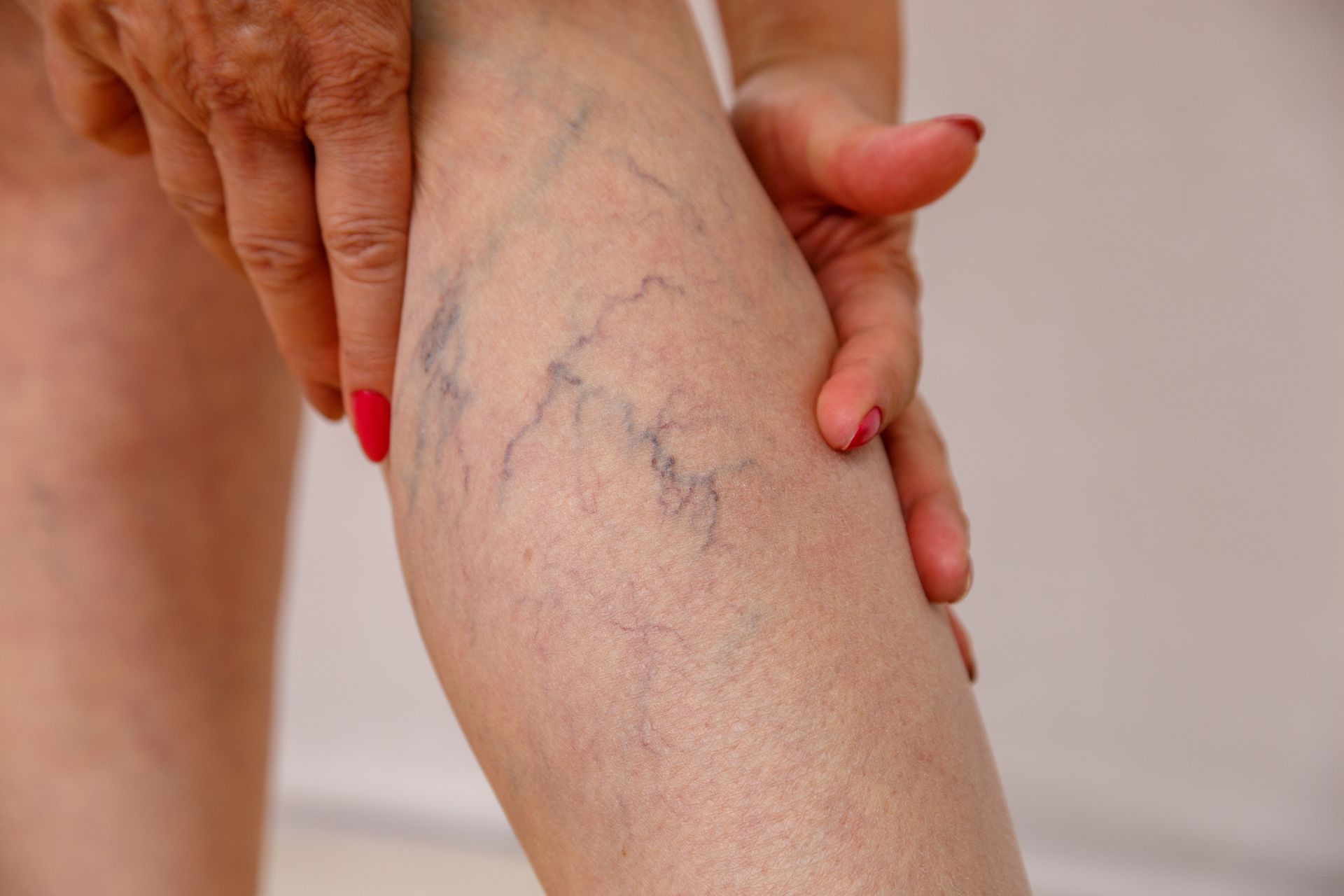
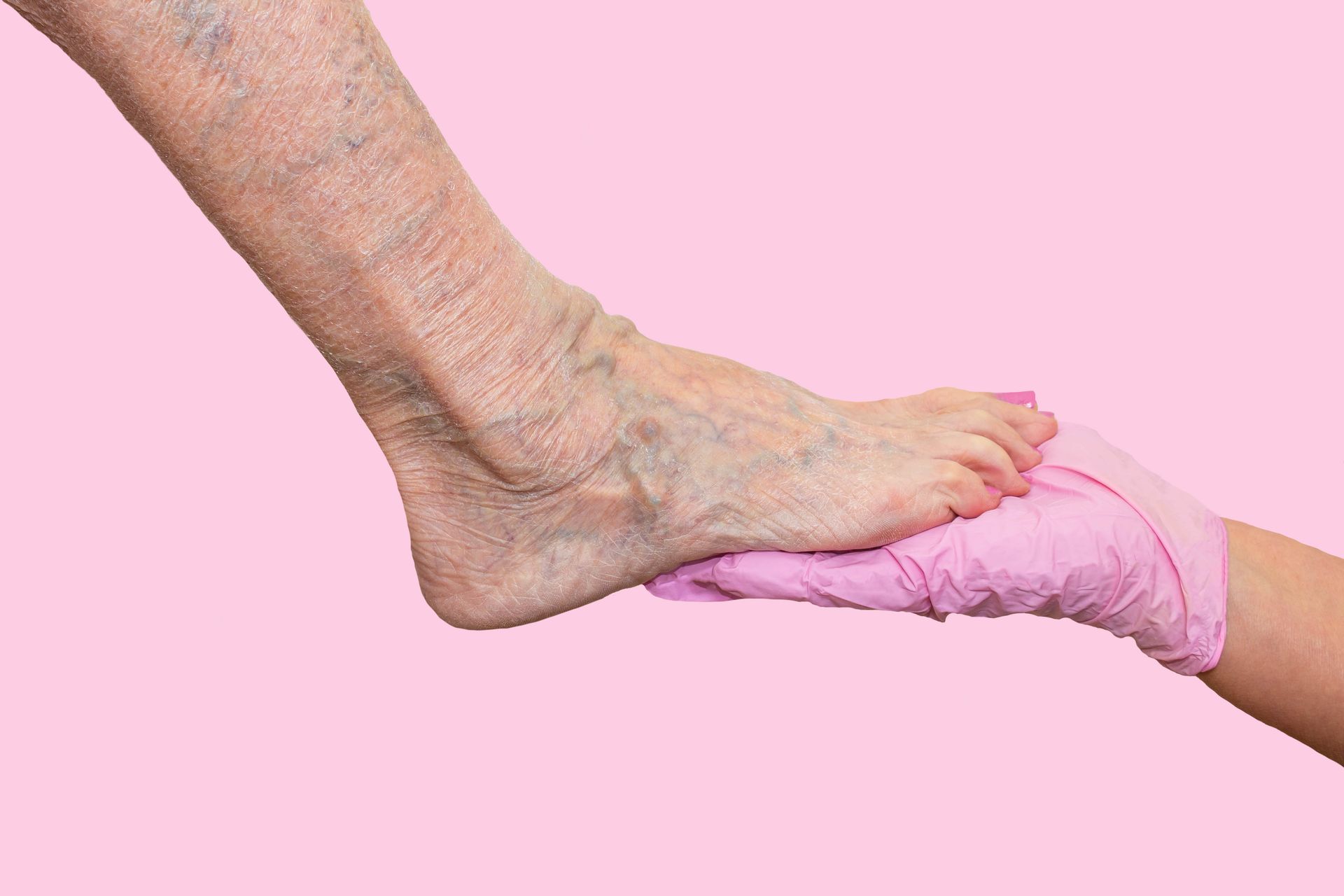
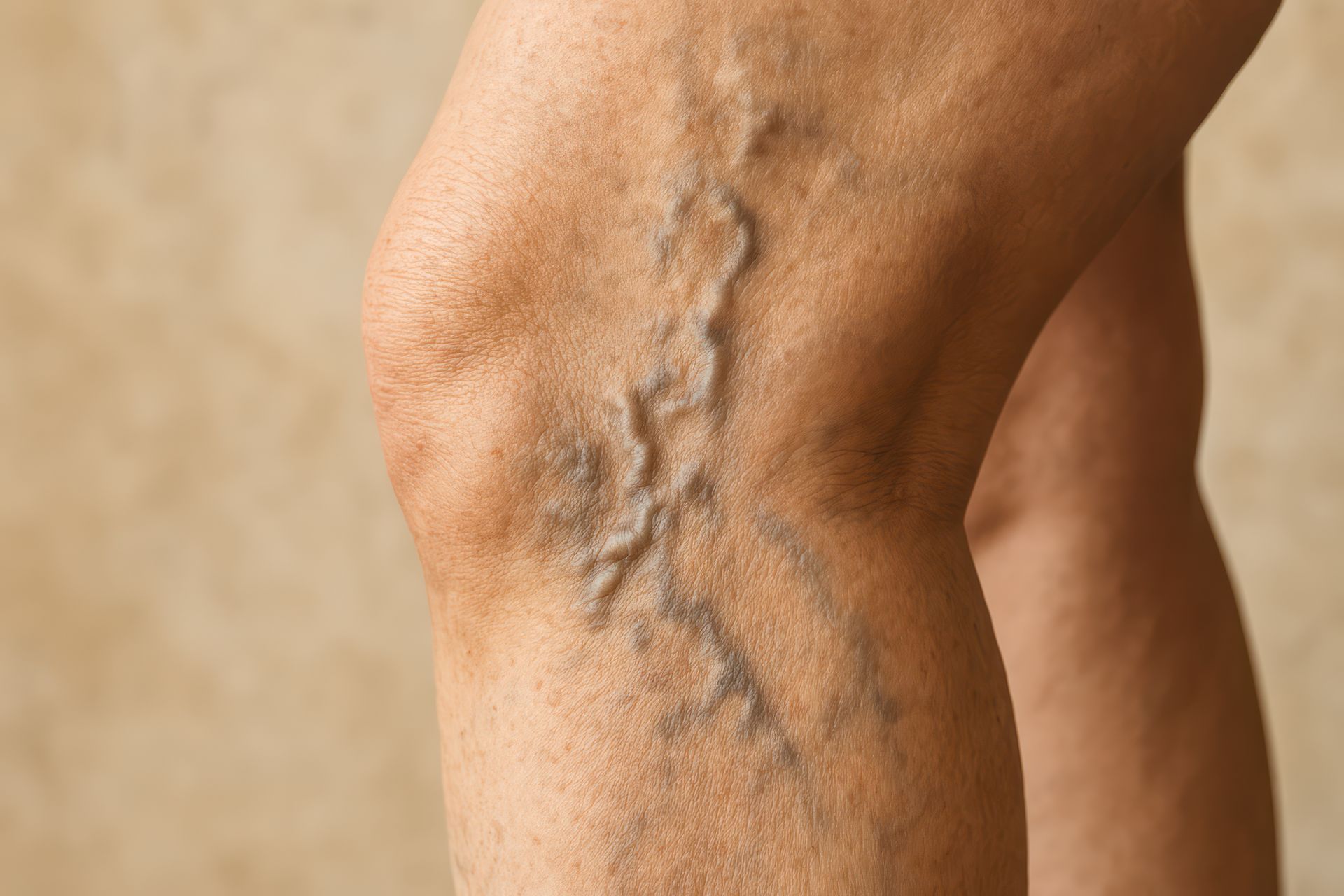
You know that heavy, achy feeling in your legs at the end of a long day? Or those visible spider veins that seem to multiply no matter what you do? The good news is that improving your circulation and reducing vein symptoms doesn't have to involve a complete lifestyle overhaul. Sometimes the smallest daily habits make the biggest difference in how your legs feel and look.
Whether you're dealing with varicose veins, early signs of venous insufficiency, or just want to prevent future vein problems, these everyday habits can help you take control of your vein health starting today.
Why Circulation Matters for Vein Health
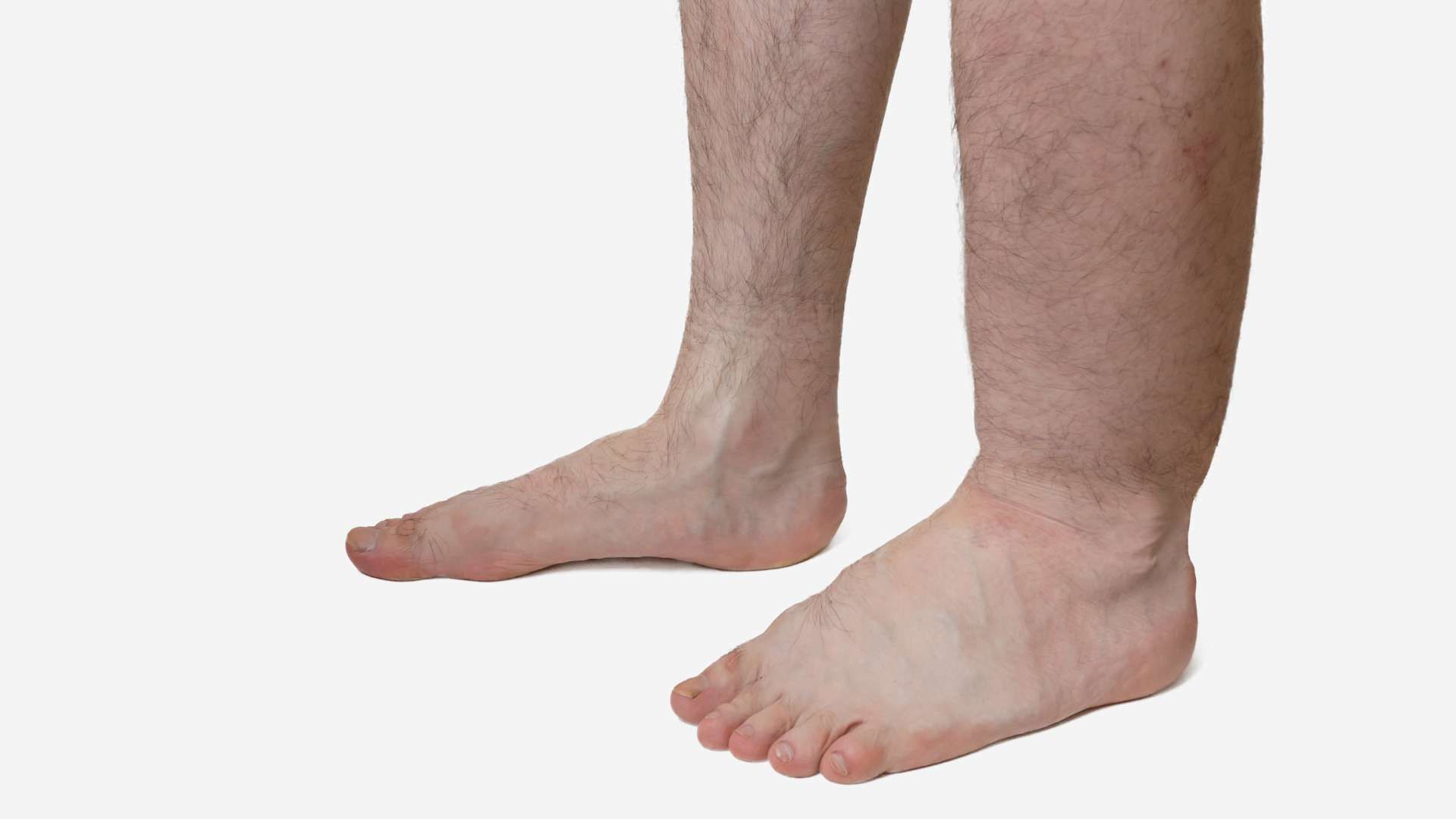
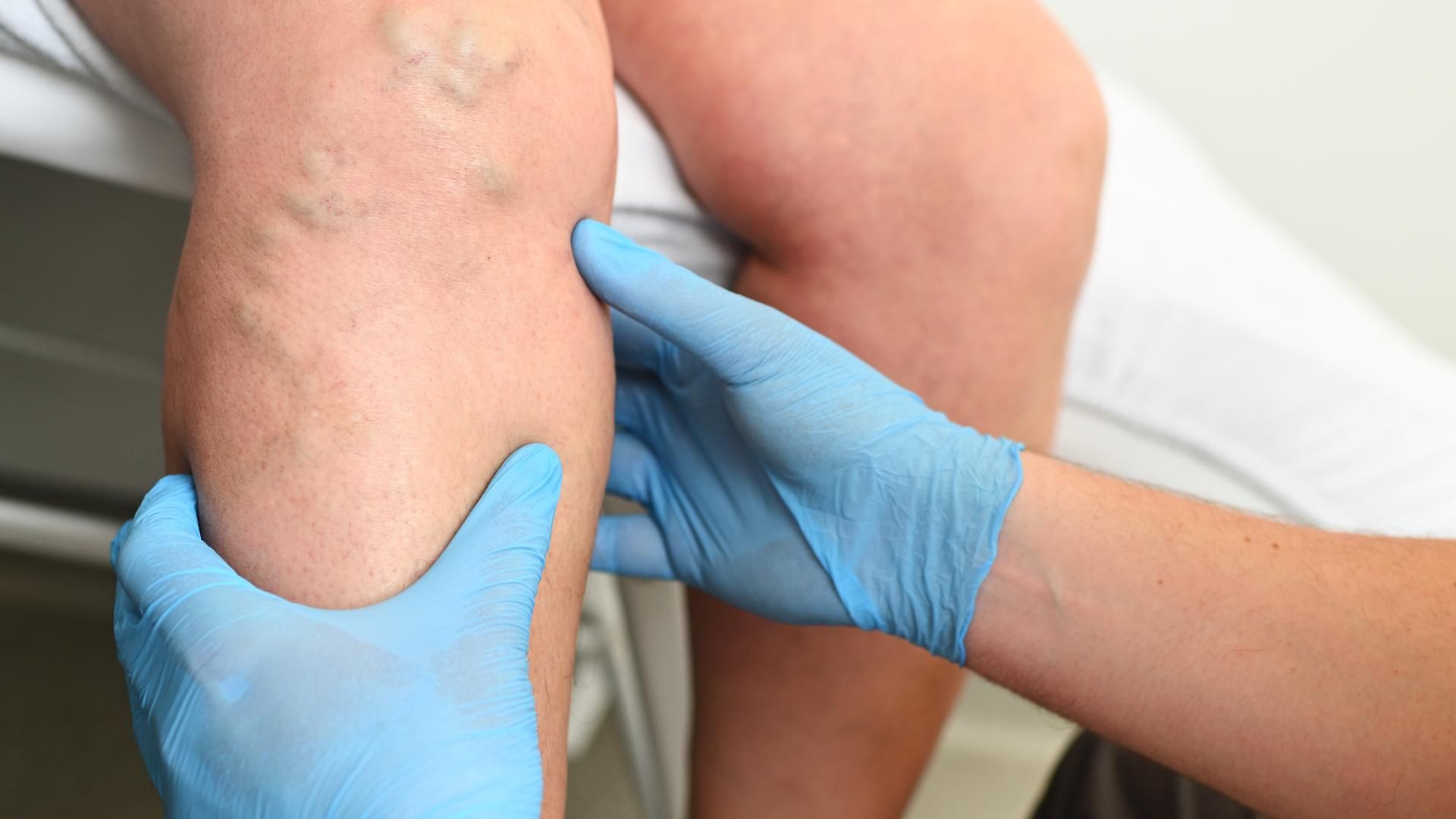
Your circulatory system works hard every single day to pump blood from your legs back up to your heart, fighting gravity the whole way. When circulation slows down or becomes inefficient, blood can pool in your leg veins, causing them to stretch, bulge, and become painful. This is especially common if you sit or stand for long periods, carry extra weight, or have a family history of vein problems.
Healthy circulation keeps your veins functioning properly, reduces swelling and discomfort, and can even prevent existing vein issues from getting worse. The habits you develop now can make a real difference in how you feel years down the road.
Move Your Body Throughout the Day
Here's the thing about sitting or standing in one position for hours: your calf muscles aren't doing their job. Your calves act like a pump, squeezing blood back up toward your heart with every step you take. When you're stuck at a desk or on your feet all day, that pump isn't working, and blood starts pooling in your lower legs.
Try these simple movement strategies:
- Set a timer to stand up and walk around for 2-3 minutes every hour
- Do calf raises while you're brushing your teeth or waiting for coffee to brew
- Take the stairs instead of the elevator whenever possible
- Park farther away from store entrances to sneak in extra steps
- March in place during TV commercials or while on phone calls
You don't need to become a marathon runner. Even small bursts of movement throughout your day activate those calf muscles and get your blood flowing in the right direction.
Elevate Your Legs Daily
Gravity is constantly working against your veins, so why not give them a break? Elevating your legs above heart level for just 15-20 minutes a day can significantly reduce swelling and that tired, heavy feeling.
Prop your feet up on pillows while you're watching TV, reading, or scrolling through your phone. If you work from home, take your afternoon break lying on the couch with your legs elevated against the wall. This simple habit gives your veins a chance to drain accumulated fluid and reduces pressure on your vein walls.
Stay Hydrated
Water does more than just quench your thirst. It keeps your blood flowing smoothly. When you're dehydrated, your blood becomes thicker and more difficult to pump through your veins. This puts extra strain on your circulatory system and can worsen vein symptoms.
Aim for at least 8 glasses of water a day, and more if you're active or it's hot outside. Keep a water bottle at your desk, in your car, and next to your bed. If plain water bores you, add lemon, cucumber, or mint for flavor. Your veins (and the rest of your body) will thank you.
Wear Compression Stockings
Compression stockings aren't just for your grandma anymore. These specially designed socks provide graduated pressure that's tightest at the ankle and gradually decreases up the leg. This helps push blood back toward your heart and prevents it from pooling in your lower legs.
Compression stockings can reduce swelling, ease achiness, and prevent vein problems from progressing. They're especially helpful if you travel frequently, stand all day at work, or already have visible varicose veins. Dr. Michael Sorace can recommend the right compression level for your specific needs.
Eat Foods That Support Vein Health
What you put on your plate affects your veins more than you might think. A diet rich in certain nutrients can strengthen vein walls, reduce inflammation, and improve overall circulation.
Focus on these circulation-friendly foods:
- Berries, citrus fruits, and leafy greens (rich in antioxidants and vitamin C)
- Fatty fish like salmon and mackerel (packed with omega-3s that reduce inflammation)
- Whole grains and fiber-rich foods (prevent constipation that strains veins)
- Nuts, seeds, and avocados (contain healthy fats and vitamin E)
- Garlic and onions (natural blood thinners that improve flow)
On the flip side, limit processed foods, excess salt, and refined sugars that can contribute to inflammation and water retention. Your veins work best when you fuel your body with whole, nutritious foods.
Maintain a Healthy Weight
Carrying extra pounds puts additional pressure on the veins in your legs, making it harder for blood to flow back to your heart. Losing even 5-10 pounds can noticeably reduce vein symptoms and lower your risk of developing new vein problems.
You don't need to follow an extreme diet. Focus on sustainable changes like eating more vegetables, choosing whole grains over refined carbs, and moving your body regularly. Small, consistent efforts add up to big results over time.
Avoid Prolonged Heat Exposure
Hot baths, saunas, and direct sun exposure might feel relaxing, but they can actually make vein symptoms worse. Heat causes your veins to dilate and can increase swelling and discomfort in already compromised veins.
If you love hot baths, try switching to warm water instead. After any heat exposure, finish with a cool rinse on your legs to help constrict the veins. On hot days, seek shade and keep your legs cool with light, breathable clothing.
Exercise Regularly (But Choose the Right Activities)
Exercise is one of the best things you can do for your circulation, but not all activities are created equal when it comes to vein health. Low-impact exercises that engage your calf muscles without putting excessive pressure on your veins are ideal.
Best exercises for vein health:
- Walking (the gold standard for circulation)
- Swimming and water aerobics (the water provides natural compression)
- Cycling (works those calf muscles without impact)
- Yoga (certain poses help with circulation and flexibility)
- Elliptical training (low-impact cardio)
Activities to approach with caution:
- Heavy weightlifting (can increase abdominal pressure)
- High-impact sports like running on hard surfaces
- Activities that require prolonged standing without movement
The key is finding activities you enjoy and will stick with long-term. Consistency beats intensity when it comes to improving circulation.
Consider Your Wardrobe Choices
Tight clothing around your waist, groin, or legs can restrict blood flow and contribute to vein problems. Those skinny jeans might look great, but if they're cutting off circulation, they're not doing your veins any favors.
Opt for looser-fitting clothing, especially around your waist and thighs. If you need to wear dress shoes for work, bring comfortable walking shoes for your commute and whenever you can change. Your feet and legs will feel noticeably better with proper circulation.
Know When to Seek Professional Help
While these daily habits can significantly improve circulation and reduce vein symptoms, they're not a cure for existing vein disease. If you're experiencing persistent pain, swelling, skin changes, or visible varicose veins, it's time to see a vein specialist.
At The Vein Institute, we offer advanced treatments like sclerotherapy, endovenous vein ablation, and phlebectomy to address vein problems that don't respond to lifestyle changes alone. Dr. Sorace can evaluate your veins and create a personalized treatment plan that gets you back to feeling your best.
Start Small, Build Momentum
You don't have to implement all of these habits at once. Pick one or two that feel most doable and start there. Maybe you begin by setting a timer to move every hour and drinking more water. Once those become second nature, add another habit like leg elevation or compression stockings.
The goal isn't perfection. It's progress. Every small step you take to improve your circulation is a win for your vein health. Your legs carry you through life, so they deserve a little extra care and attention.
FAQs About Daily Habits That Improve Circulation and Reduce Vein Symptoms
How long does it take to see improvement in circulation?
Many people notice reduced swelling and less leg fatigue within 2-4 weeks of consistently practicing these healthy habits. However, visible improvements in varicose veins or spider veins may take longer or require professional treatment. The key is consistency. These habits work best when they become part of your daily routine.
Can exercise reverse varicose veins?
While exercise improves circulation and can prevent varicose veins from worsening, it typically won't make existing varicose veins disappear. Exercise is excellent for symptom management and prevention, but enlarged varicose veins usually require medical treatment like sclerotherapy or ablation to fully resolve.
Are compression stockings uncomfortable to wear?
Modern compression stockings are much more comfortable and stylish than older versions. They come in various colors, styles, and compression levels. It may take a few days to get used to wearing them, but most people find them comfortable once they adjust. The key is getting the right size and compression level for your needs.
What's the best sleeping position for circulation?
Sleeping with your legs slightly elevated (using a pillow or wedge under your feet) can help improve circulation overnight. Sleeping on your left side also promotes better blood flow because it takes pressure off the vena cava, the large vein that carries blood from your lower body to your heart.
Do varicose veins always require medical treatment?
Not necessarily. Mild varicose veins that don't cause pain or other symptoms may be managed with lifestyle changes and compression stockings alone. However, if your veins are painful, causing skin changes, or affecting your quality of life, treatment options are available that can provide relief and prevent complications.
How do I know if my leg pain is from vein problems?
Vein-related leg pain typically feels like heaviness, achiness, or throbbing that gets worse as the day goes on, especially after prolonged standing or sitting. The pain usually improves when you elevate your legs or lie down. If you notice swelling, visible veins, or skin discoloration along with the pain, schedule an evaluation with a vein specialist.
Can drinking more water really help my veins?
Yes! Proper hydration keeps your blood at the right consistency for optimal flow. When you're dehydrated, your blood thickens, making it harder for your heart to pump it through your veins. Staying well-hydrated also helps prevent blood clots and reduces strain on your circulatory system.
Are there specific foods I should avoid for better vein health?
Limit foods high in sodium (which causes water retention and swelling), processed foods with lots of additives, and excessive amounts of refined sugar. These can all contribute to inflammation and poor circulation. Also, watch your alcohol intake, as it can cause your veins to dilate and may worsen symptoms.
FAQs About The Vein Institute
Where is The Vein Institute located?
The Vein Institute has two convenient locations to serve you. Our San Antonio clinic is located at 14530 NW Military Hwy, Suite 100, San Antonio, TX 78231, and our Boerne office is at 745 West San Antonio Ave, Suite 100, Boerne, TX 78006. Both locations offer comprehensive vein care in a comfortable, state-of-the-art setting.
What types of vein treatments does The Vein Institute offer?
We offer a full range of modern vein treatments, including sclerotherapy for spider veins, endovenous ablation for varicose veins, and phlebectomy for bulging veins. Dr. Sorace uses the latest minimally invasive techniques to provide effective treatment with minimal downtime.
Does The Vein Institute accept insurance?
Most vein treatments for medical conditions like venous insufficiency and symptomatic varicose veins are covered by insurance. Our team can verify your benefits and help you understand your coverage before treatment. Contact our office for specific information about your insurance plan.
How do I schedule a consultation at The Vein Institute?
You can schedule a consultation by calling our San Antonio clinic at (210) 236-9372 or our Boerne clinic at (830) 331-9900. You can also visit our contact page to request an appointment online. We'll work with your schedule to find a convenient time for your visit.
What should I expect during my first visit to The Vein Institute?
During your initial consultation, Dr. Sorace will review your medical history, discuss your symptoms, and perform a physical examination. He may also use ultrasound imaging to evaluate your veins and identify any underlying issues. Based on his findings, he'll recommend the best treatment approach for your specific needs.
Ready to take the first step toward healthier legs and improved circulation? Contact The Vein Institute today to schedule your consultation with Dr. Sorace. Call our San Antonio office at (210) 236-9372 or our Boerne office at (830) 331-9900. You can also visit our blog for more helpful information about vein health.
Disclaimer: The information provided on this blog is for general informational purposes only and is not intended as, and should not be considered, medical advice. All information, content, and material available on this blog are for general informational purposes only. Readers are advised to consult with a qualified healthcare professional for medical advice, diagnosis, or treatment. The author and the blog disclaim any liability for the decisions you make based on the information provided. Always seek the advice of your physician or other qualified health provider with any questions you may have regarding a medical condition.