How to Tell if You Have Venous Insufficiency: Signs and Symptoms to Watch For
Are your legs constantly achy and tired? Do you notice swelling that worsens throughout the day? These could be signs of venous insufficiency—a common yet often overlooked vascular condition affecting nearly 40% of adults. At The Vein Institute, we've helped thousands of patients identify and address this condition before it progresses to more serious complications.
Let's explore how to recognize venous insufficiency, understand what's happening beneath the surface, and know when it's time to seek professional care.
What Is Venous Insufficiency? Understanding the Basics
Before diving into symptoms, let's clarify what venous insufficiency actually is.
Venous insufficiency occurs when your leg veins struggle to efficiently return blood to your heart. Healthy veins contain one-way valves that prevent blood from flowing backward as it travels upward against gravity. When these valves become damaged or weakened, blood can pool in your veins, especially in your lower legs, creating pressure and eventually leading to a variety of symptoms.
Think of your veins like a series of one-way streets with little gates (valves) that keep traffic (blood) flowing in the proper direction—toward your heart. Venous insufficiency happens when these gates malfunction, causing traffic jams and congestion in your legs!
Common Signs and Symptoms of Venous Insufficiency
Venous insufficiency can manifest in various ways, from mild discomfort to more visible and uncomfortable symptoms. Here are the key signs to watch for:
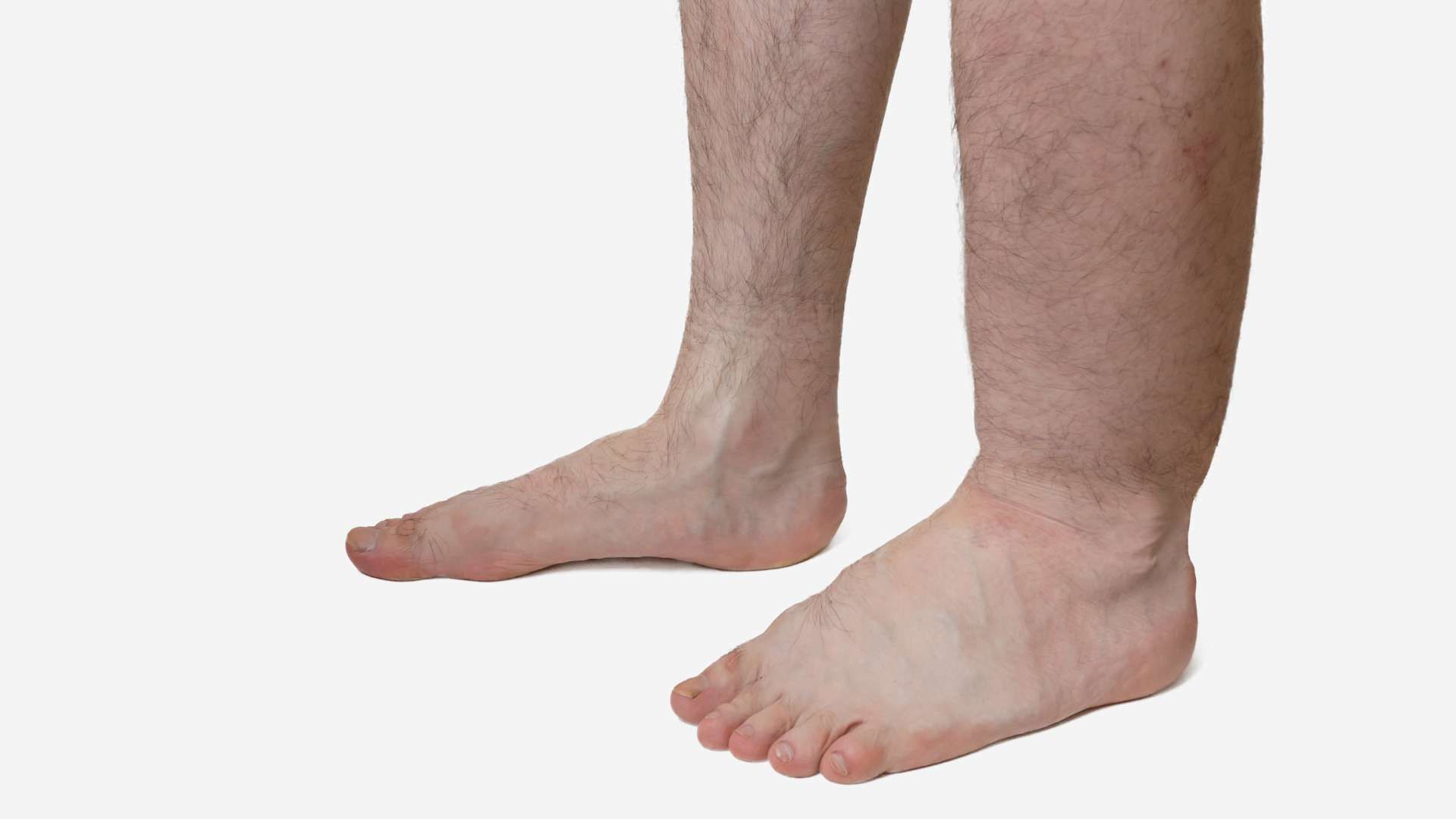
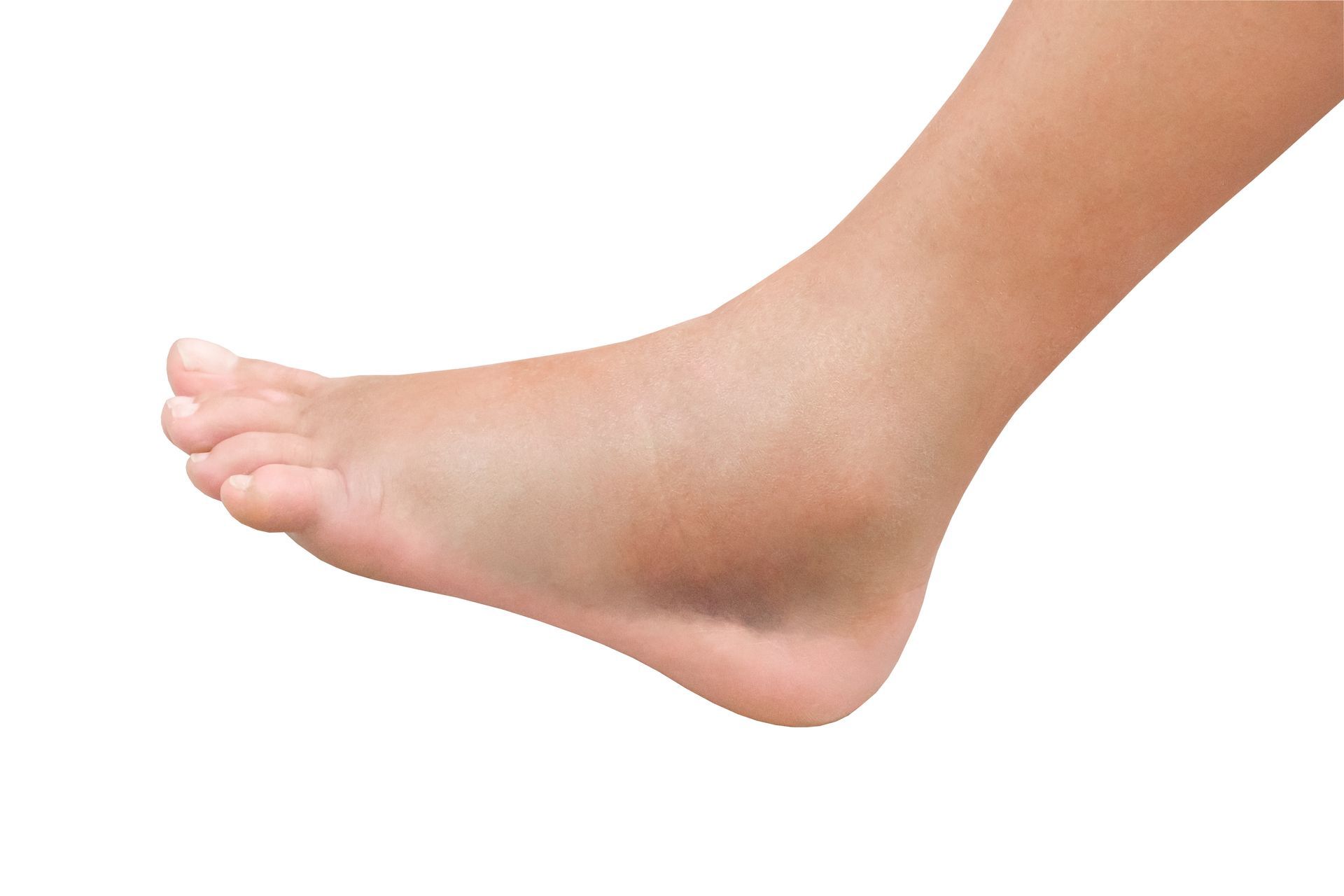
1. Leg Swelling (Edema)
One of the earliest and most common signs of venous insufficiency is swelling in your legs, ankles, or feet. You might notice:
- Swelling that worsens as the day progresses
- Shoes feeling tighter by evening
- Indentations in your skin after removing socks
- One or both legs affected (though often asymmetrical)
This swelling occurs because poor circulation allows fluid to leak from your veins into surrounding tissues. Unlike other causes of swelling, venous insufficiency-related edema typically improves after a night's sleep or leg elevation.
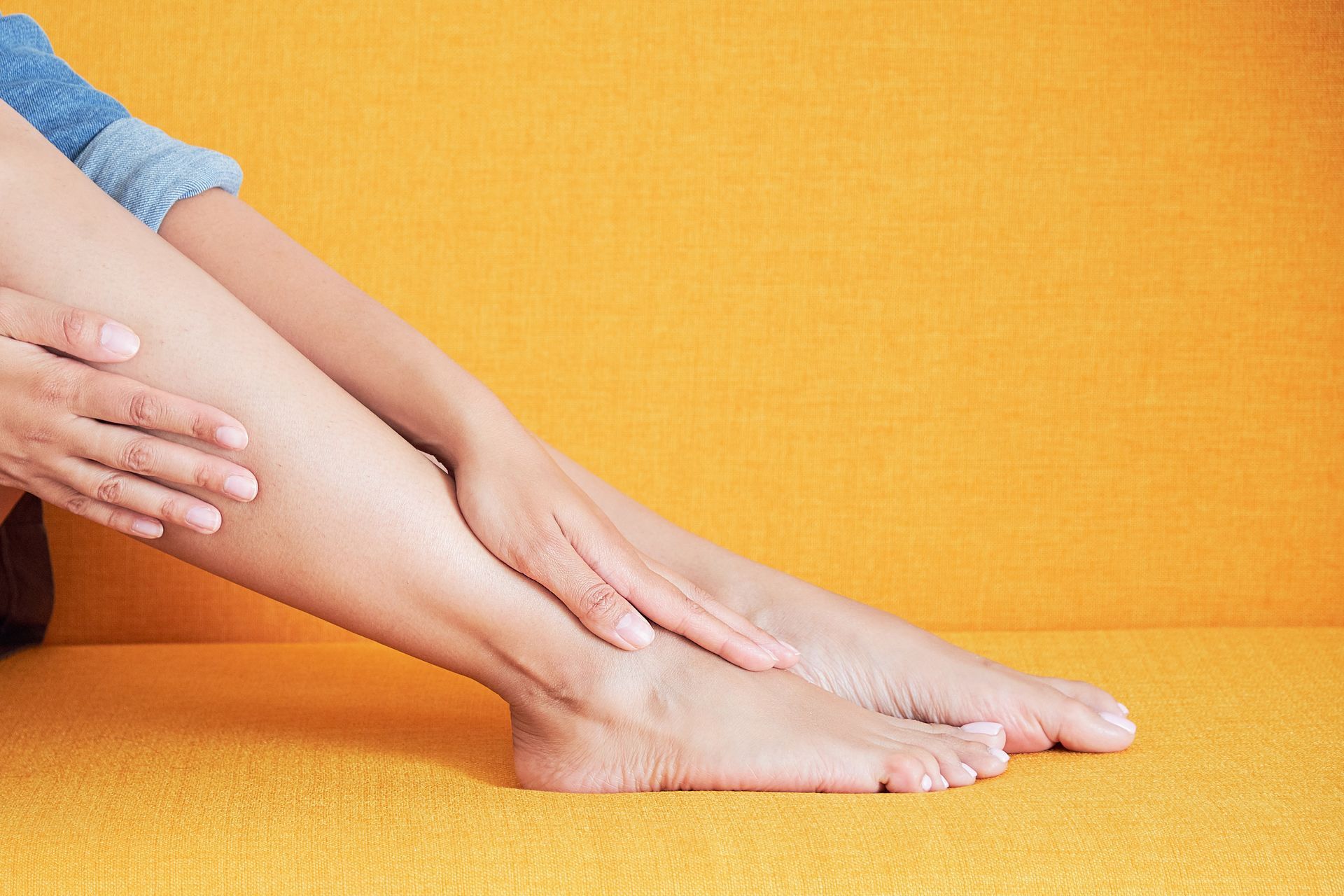
2. Aching, Heavy Legs
Do your legs feel like they weigh a thousand pounds by the end of the day? This sensation of heaviness is a hallmark symptom of venous insufficiency. Patients often describe it as:
- A dragging or weighted feeling in the legs
- Worsening with prolonged standing or sitting
- Improving with elevation or walking
- Often accompanied by dull aching pain
This heaviness occurs because blood is essentially "weighing down" your veins instead of efficiently returning to your heart.
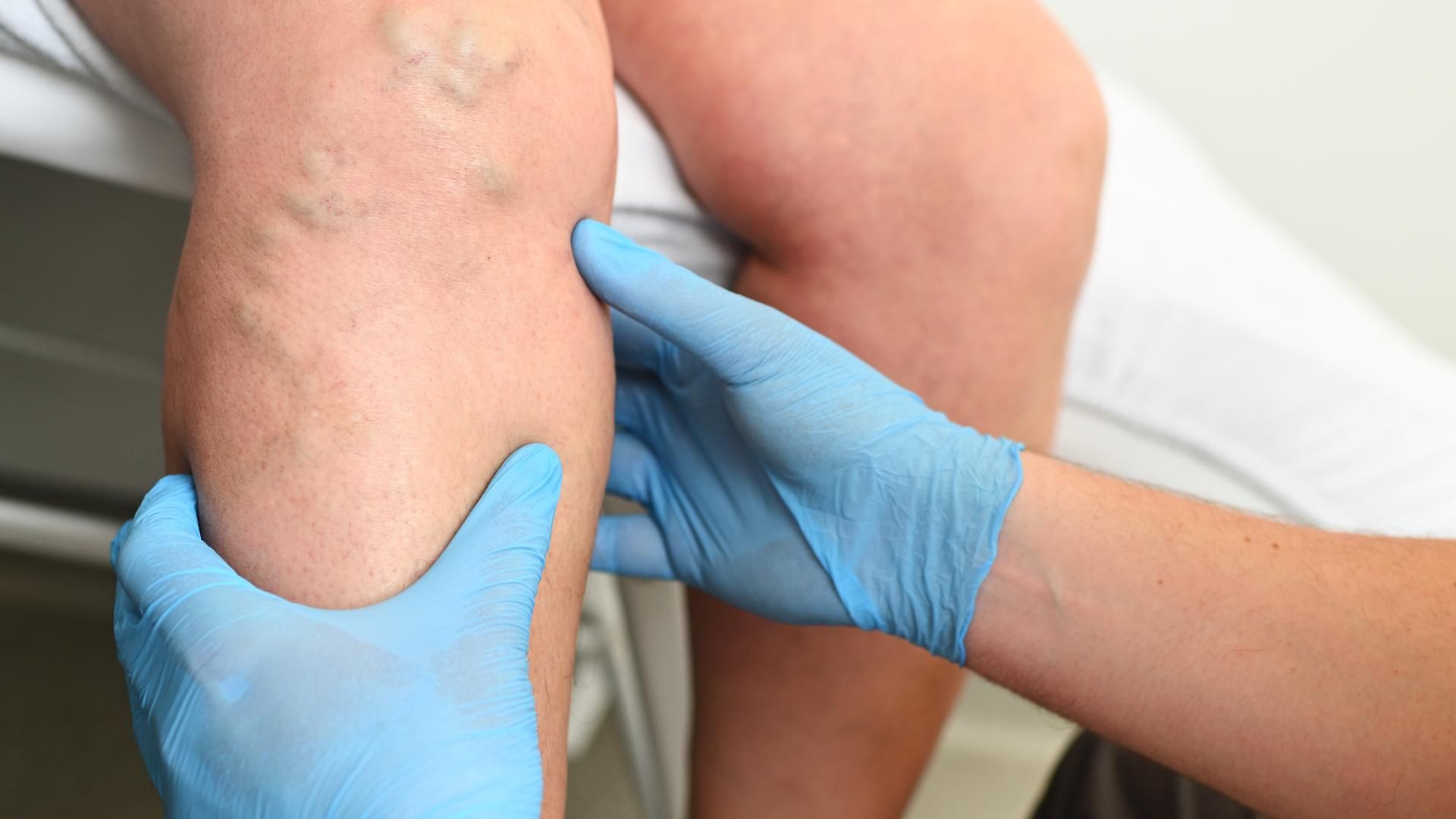
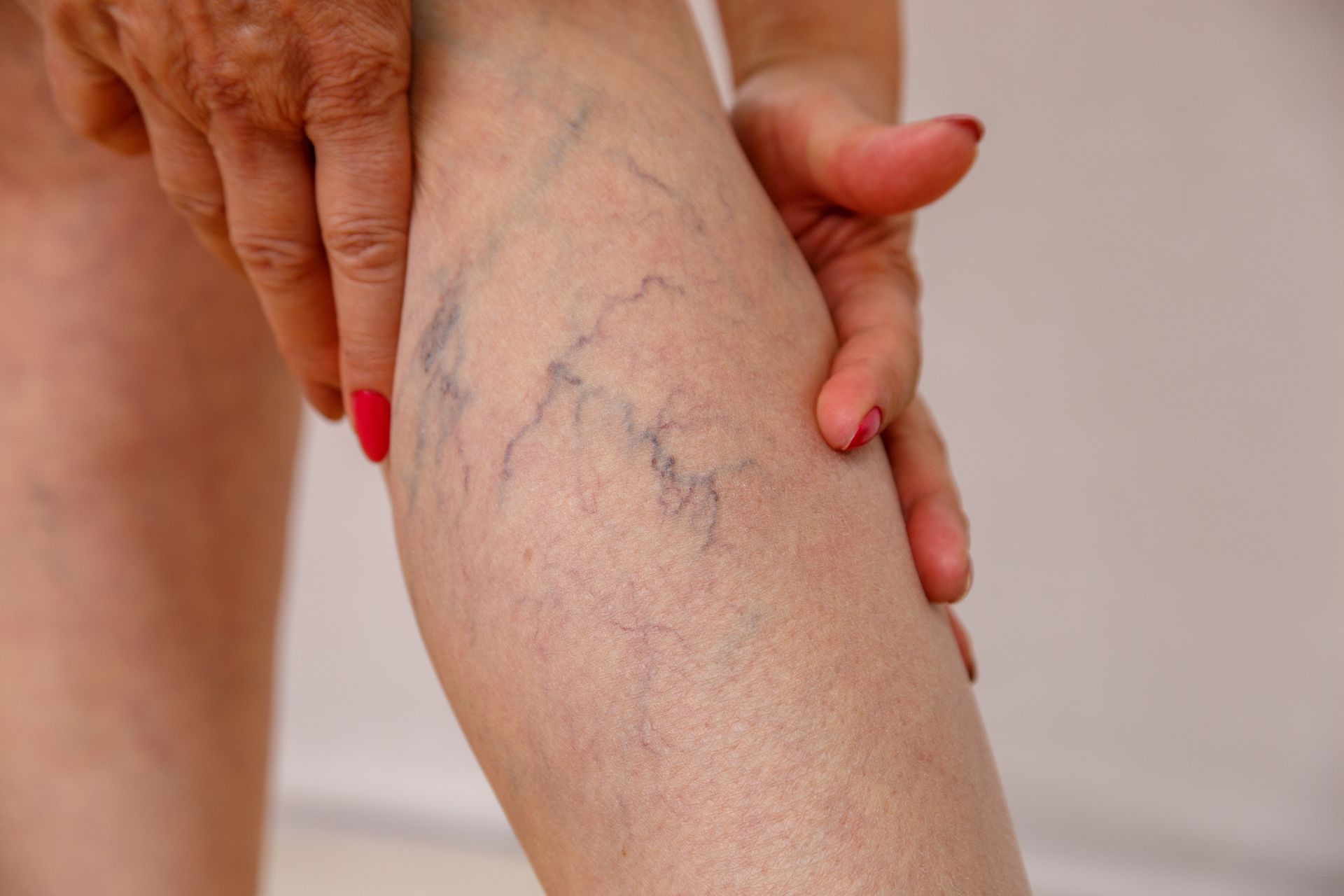
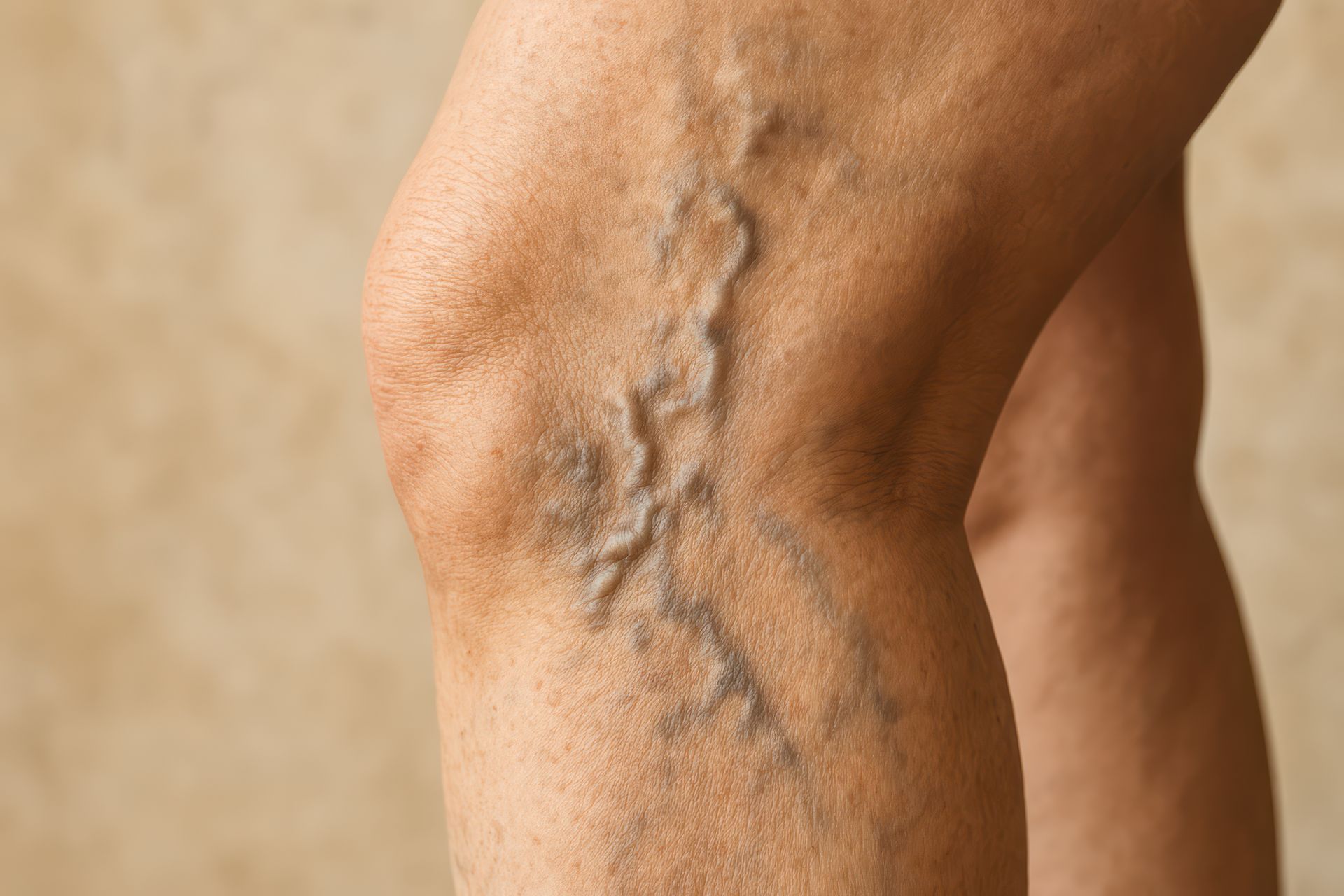
3. Varicose Veins
While not everyone with venous insufficiency develops varicose veins, they're a common visible manifestation of the condition. Look for:
- Twisted, bulging veins protruding from the skin surface
- Blue or purple discoloration
- Veins that appear rope-like or cord-like
- Clusters of affected veins, often on the backs of calves or inside of legs
Varicose veins aren't just a cosmetic concern—they're a visible sign that your veins are struggling with their basic function of returning blood to your heart.
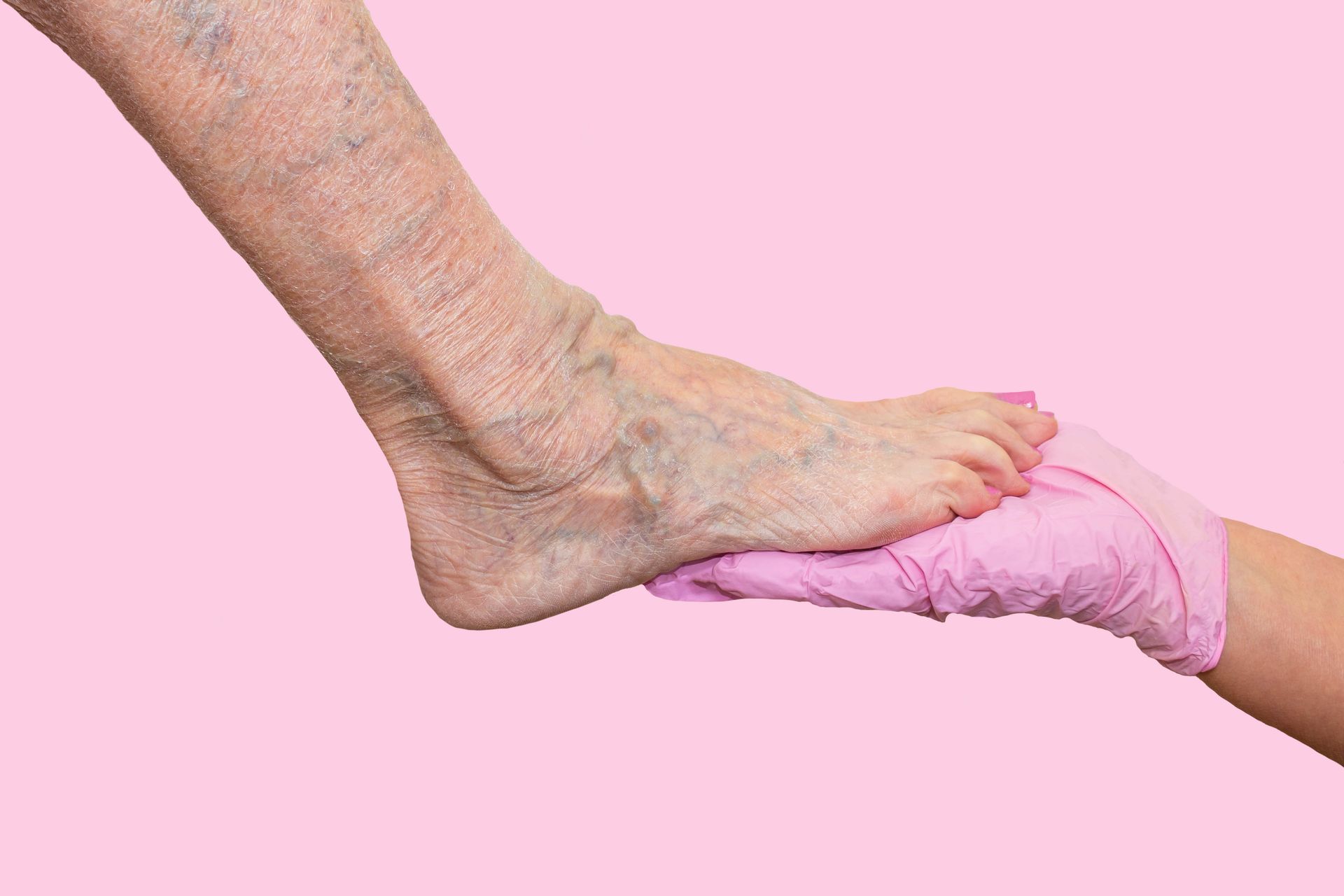
4. Skin Changes
Chronic venous insufficiency can lead to characteristic skin changes, particularly in the lower leg and ankle areas:
- Discoloration: Brownish or reddish pigmentation developing over time
- Thickness: Skin becoming firmer and thicker than surrounding areas
- Dryness: Affected skin often appears dry, itchy, and flaky
- Shininess: A smooth, shiny appearance to the skin, especially on the ankles
These changes occur because prolonged blood pooling and increased pressure damage skin tissue and allow blood components to leak into surrounding tissues.
5. Itching and Burning Sensations
Many patients with venous insufficiency experience uncomfortable skin sensations, including:
- Persistent itching, particularly around the ankles or varicose veins
- Burning or tingling sensations
- Increased sensitivity in affected areas
- Sensations that worsen with heat or at the end of the day
These sensations result from inflammation and pressure on small nerve endings near the skin's surface.
6. Leg Restlessness
Venous insufficiency can cause uncomfortable sensations that make it difficult to keep your legs still, especially at night. You might experience:
- An irresistible urge to move your legs
- Sensations described as crawling, creeping, or tingling
- Symptoms that worsen at rest and improve with movement
- Difficulty falling or staying asleep due to leg discomfort
While these symptoms can overlap with restless leg syndrome, they're often related to the circulatory issues of venous insufficiency.
7. Leg Ulcers
In advanced cases, venous insufficiency can lead to slow-healing sores called venous stasis ulcers. These typically appear:
- Around the ankle area, particularly on the inside of the ankle
- As shallow wounds with irregular borders
- With surrounding discolored or hardened skin
- Often with a weeping or draining appearance
These ulcers develop because chronically poor circulation impairs the skin's ability to maintain and repair itself. They represent a serious complication requiring prompt medical attention.
8. Nighttime Leg Cramps
Many patients with venous insufficiency experience painful leg cramps, particularly at night. These cramps:
- Often occur in the calf muscles
- Can be intensely painful and suddenly wake you from sleep
- May take time to resolve, even with stretching
- Tend to recur regularly
While not everyone with leg cramps has venous insufficiency, frequent cramping—especially when accompanied by other symptoms on this list—warrants evaluation.
Risk Factors: Are You Predisposed to Venous Insufficiency?
Understanding your risk factors helps determine whether your symptoms might indicate venous insufficiency. The condition is more likely if you have:
Family History
Like many vascular conditions, venous insufficiency has a strong genetic component. If your parents or siblings have vein problems, you're at higher risk.
Age Considerations
Venous insufficiency becomes more common with age as vein valves naturally wear over time. The risk increases significantly after age 50.
Gender-Specific Risks
Women experience venous insufficiency more frequently than men, partly due to hormonal influences, pregnancy effects, and anatomical differences.
Occupation and Lifestyle
Jobs requiring prolonged standing or sitting significantly increase your risk. Healthcare workers, teachers, retail employees, and office workers are particularly vulnerable.
Pregnancy History
Each pregnancy increases a woman's risk of developing venous insufficiency due to increased blood volume, hormonal changes, and pressure from the growing uterus.
Weight Management Challenges
Carrying extra weight puts additional pressure on your veins, making them work harder against gravity. Obesity is a major risk factor for venous insufficiency.
Previous Blood Clots
A history of deep vein thrombosis (DVT) or other blood clots can damage vein valves, increasing your risk of developing venous insufficiency later.
When to See a Doctor: Red Flags That Shouldn't Be Ignored
While some symptoms might be mild, certain signs indicate you should consult a vein specialist promptly:
Severe or Sudden Swelling
If one leg suddenly becomes significantly more swollen than the other, especially with pain, warmth, or redness, seek immediate medical attention as this could indicate a blood clot.
Non-Healing Wounds
Any open sore on your legs or feet that doesn't show improvement within 2-3 weeks requires professional evaluation.
Progressive Skin Changes
If you notice your skin becoming increasingly discolored, hardened, or itchy despite self-care measures, it's time to see a specialist.
Painful Varicose Veins
Varicose veins that become painful, warm, hard, or inflamed should be evaluated promptly.
Impact on Daily Activities
When symptoms begin to limit your activities or quality of life, professional intervention can help restore your comfort and function.
Self-Assessment: Is It Venous Insufficiency?
Consider these questions to help determine if your symptoms might indicate venous insufficiency:
- Do your symptoms worsen during the day and improve after lying down or elevating your legs? Venous insufficiency symptoms typically follow this pattern.
- Have you noticed visible veins developing or worsening alongside your other symptoms? Progressive development of varicose or spider veins often accompanies venous insufficiency.
- Do your symptoms improve with walking but worsen with prolonged standing or sitting? The muscle contractions during walking help pump blood upward, temporarily relieving symptoms.
- Have you experienced skin changes near your ankles or lower legs? The lower leg, particularly around the ankle, is commonly affected by the skin changes of venous insufficiency.
- Do your symptoms affect both legs, but perhaps one more than the other? While venous insufficiency can affect both legs, it's common for symptoms to be asymmetrical.
If you answered yes to several of these questions, especially if you have risk factors, scheduling an evaluation with a vein specialist is wise.
Distinguishing Venous Insufficiency from Other Conditions
Several conditions can cause symptoms similar to venous insufficiency. Here's how to recognize the differences:
Venous Insufficiency vs. Arterial Problems
Venous insufficiency symptoms:
- Improve with elevation and worsen with dependency
- Often include visible varicose veins
- Pain is typically an aching, heavy feeling
- Skin may be warm to the touch
Arterial problems:
- Worsen with elevation and improve with dependency
- Often include decreased hair growth and shiny skin
- Pain can be sharp, severe, and occur during activity
- Affected limb may feel cool to the touch
Venous Insufficiency vs. Lymphedema
Venous insufficiency swelling:
- Often improves overnight
- May be accompanied by varicose veins
- Typically affects the ankle and lower leg first
- Responds well to compression
Lymphedema:
- Persists even with elevation
- Often affects the entire leg, including the foot
- Skin may have a thicker, more doughy texture
- Stems from lymphatic system damage rather than venous issues
Venous Insufficiency vs. Heart Failure
Venous insufficiency swelling:
- Usually limited to the legs
- Not typically accompanied by breathing problems
- Doesn't generally cause rapid weight gain
Heart failure edema:
- Often involves both legs symmetrically
- May be accompanied by shortness of breath
- Can cause sudden weight gain due to fluid retention
- May also cause swelling in the abdomen or other areas
Diagnostic Process: What to Expect at The Vein Institute
If you suspect venous insufficiency, here's what you can expect during an evaluation at The Vein Institute:
Comprehensive Consultation
Your visit begins with a detailed discussion of your symptoms, medical history, and family history. We'll ask about:
- When symptoms started and how they've progressed
- Activities that worsen or improve your symptoms
- Previous treatments you've tried
- Family history of vein problems
- Other medical conditions
Physical Examination
Our specialists will examine your legs both sitting and standing to evaluate:
- Visible varicose or spider veins
- Swelling patterns and severity
- Skin changes characteristic of venous disease
- Ankle and calf circumference measurements
Venous Doppler Ultrasound
This non-invasive, painless test is the gold standard for diagnosing venous insufficiency. It allows us to:
- Visualize blood flow in your veins
- Identify malfunctioning valves
- Measure the severity of reflux (backward blood flow)
- Rule out blood clots or other vein abnormalities
The ultrasound findings, combined with your symptoms and examination, allow us to develop a customized treatment plan targeting your specific needs.
Simple At-Home Measures to Manage Symptoms
While professional evaluation is important, these at-home strategies can help manage venous insufficiency symptoms:
Elevation Techniques
Elevating your legs above heart level for 15-20 minutes several times daily can provide significant relief:
- Lie on your back with legs propped on pillows
- Use a recliner chair with legs elevated
- Try "legs up the wall" yoga pose for effective elevation
Compression Therapy
Graduated compression stockings provide external support to help veins function more efficiently:
- Available in different pressure levels based on need
- Should be put on first thing in the morning before swelling develops
- Come in various styles from knee-high to full pantyhose
Movement Strategies
Regular movement helps pump blood back toward your heart:
- Take walking breaks every 30 minutes when sitting
- Perform simple calf exercises throughout the day
- Consider low-impact exercise like swimming or cycling
Weight Management
Maintaining a healthy weight reduces pressure on your venous system:
- Even modest weight loss can improve symptoms
- Focus on balanced nutrition and regular activity
- Consult healthcare providers for personalized advice
Treatment Options at The Vein Institute
At The Vein Institute, we offer comprehensive treatments for venous insufficiency, including:
Conservative Approaches
For mild cases or initial management:
- Custom-fitted compression stockings
- Structured exercise programs
- Leg elevation strategies
- Lifestyle modifications
Minimally Invasive Procedures
For more advanced cases, we offer several in-office procedures:
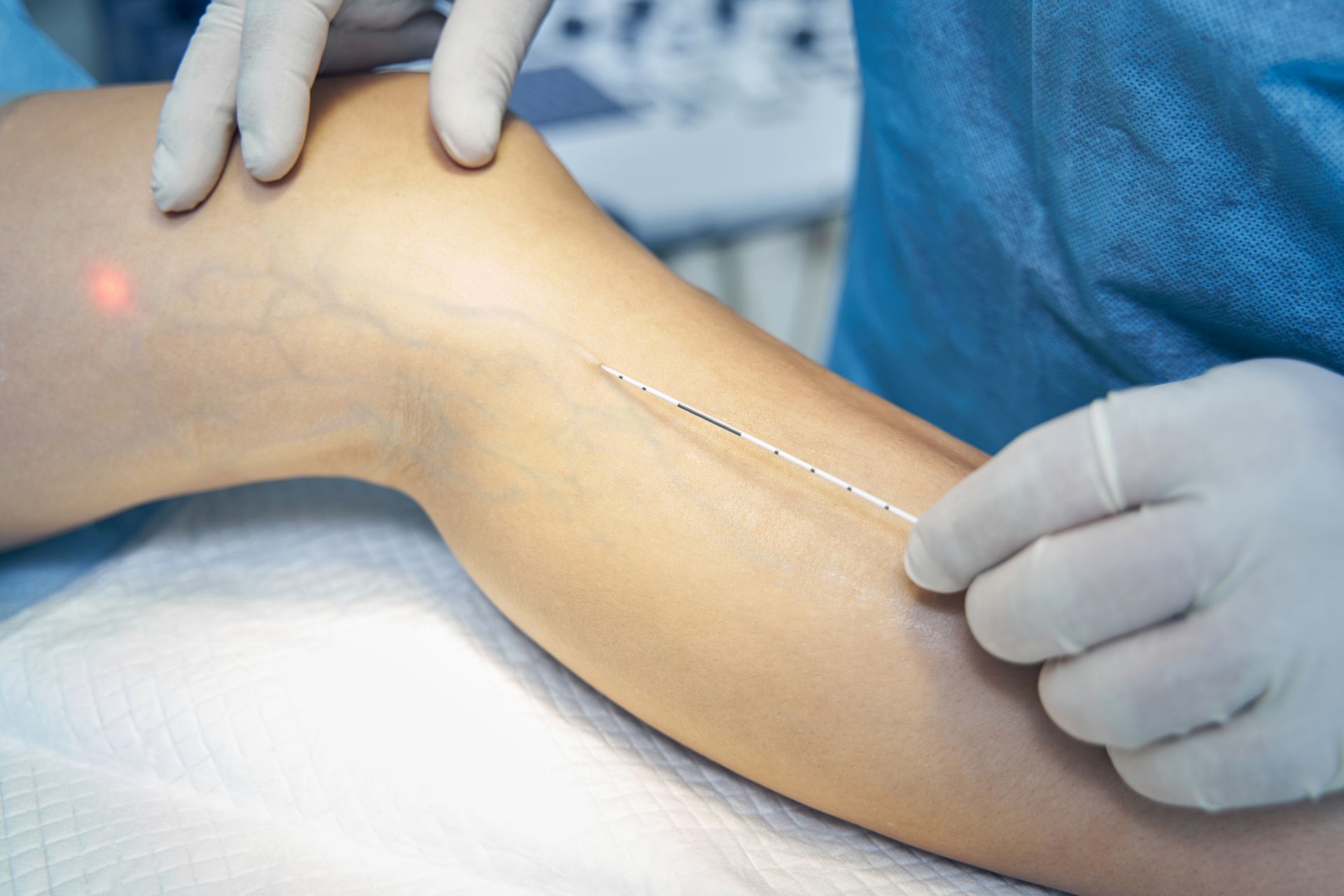
Endovenous Laser Treatment (EVLT)
This procedure uses laser energy to seal problematic veins from within. Benefits include:
- Quick procedure (typically under an hour)
- Performed under local anesthesia
- Immediate return to most activities
- Excellent success rates
Radiofrequency Ablation
Similar to EVLT but using radiofrequency energy instead of laser:
- Gentle closure of affected veins
- Minimal discomfort during and after
- No surgical incisions
- Rapid recovery
Sclerotherapy
Particularly effective for smaller veins and residual symptoms:
- Injectable solution causes veins to collapse and fade
- Can address both functional and cosmetic concerns
- Usually requires multiple sessions for optimal results
- Minimal downtime
VenaSeal™
This innovative treatment uses a medical adhesive to close affected veins:
- No need for multiple injections of numbing medicine
- Eliminates the need for post-procedure compression in many cases
- Minimal discomfort during and after treatment
- Excellent cosmetic and functional outcomes
Prevention: Reducing Your Risk of Venous Insufficiency
Even if you already have some symptoms, these strategies can help prevent progression:
- Stay Active: Regular exercise improves circulation and strengthens the calf muscle pump.
- Maintain Healthy Weight: Reducing excess weight decreases pressure on your venous system.
- Avoid Prolonged Positions: Change positions frequently if your job requires sitting or standing.
- Elevate Regularly: Make leg elevation part of your daily routine.
- Consider Preventive Compression: Wearing compression during high-risk activities or travel can help.
- Stay Hydrated: Proper hydration helps maintain good blood flow.
- Watch Your Diet: Reducing salt intake can help minimize fluid retention and swelling.
Why Choose The Vein Institute for Venous Insufficiency Treatment
At The Vein Institute, we offer specialized care for venous insufficiency, including:
- Board-certified specialists with extensive vascular expertise
- State-of-the-art diagnostic equipment for accurate assessment
- Comprehensive treatment options tailored to your specific needs
- Focus on both symptom relief and cosmetic improvement
- Insurance assistance to maximize your coverage
- Ongoing support throughout your treatment journey
Many patients are surprised to learn how effectively modern treatments can address venous insufficiency, often with minimal disruption to their daily lives.
Your Next Step: Schedule a Consultation
If you've recognized several signs and symptoms of venous insufficiency in this article, the next step is a professional evaluation. At The Vein Institute, our specialists can determine whether venous insufficiency is causing your symptoms and recommend the most appropriate treatment options.
Don't let venous insufficiency progress unchecked—early intervention typically leads to better outcomes and prevents complications. Contact The Vein Institute today at www.theveindr.com to schedule your consultation and take the first step toward healthier legs and improved quality of life.
Remember, those uncomfortable symptoms aren't something you simply have to live with—effective solutions are available!
This article is for informational purposes only and does not constitute medical advice. Please consult with a
healthcare provider for personalized recommendations regarding your vein health.
Disclaimer: The information provided on this blog is for general informational purposes only and is not intended as, and should not be considered, medical advice. All information, content, and material available on this blog are for general informational purposes only. Readers are advised to consult with a qualified healthcare professional for medical advice, diagnosis, or treatment. The author and the blog disclaim any liability for the decisions you make based on the information provided. Always seek the advice of your physician or other qualified health provider with any questions you may have regarding a medical condition.