Varicose Veins vs. Spider Veins: What's the Difference?
Key Points
- Varicose veins are large, bulging veins that cause pain and medical problems
- Spider veins are tiny surface veins that are usually cosmetic only
- Both share the same underlying cause: weak vein valves and blood pooling
- Varicose veins develop from untreated venous insufficiency
- Spider veins may indicate deeper vein problems even though they look minor
- Treatment options differ based on severity and symptoms
- Early evaluation helps determine if treatment is medically necessary or cosmetic
You've probably heard the terms "varicose veins" and "spider veins" used like they're basically the same thing. But they're not. While they share some similarities and common causes, they're actually quite different conditions. Understanding the distinction matters because it affects how serious your condition is, whether insurance covers treatment, and what your options look like.
At a Glance: The Basic Differences
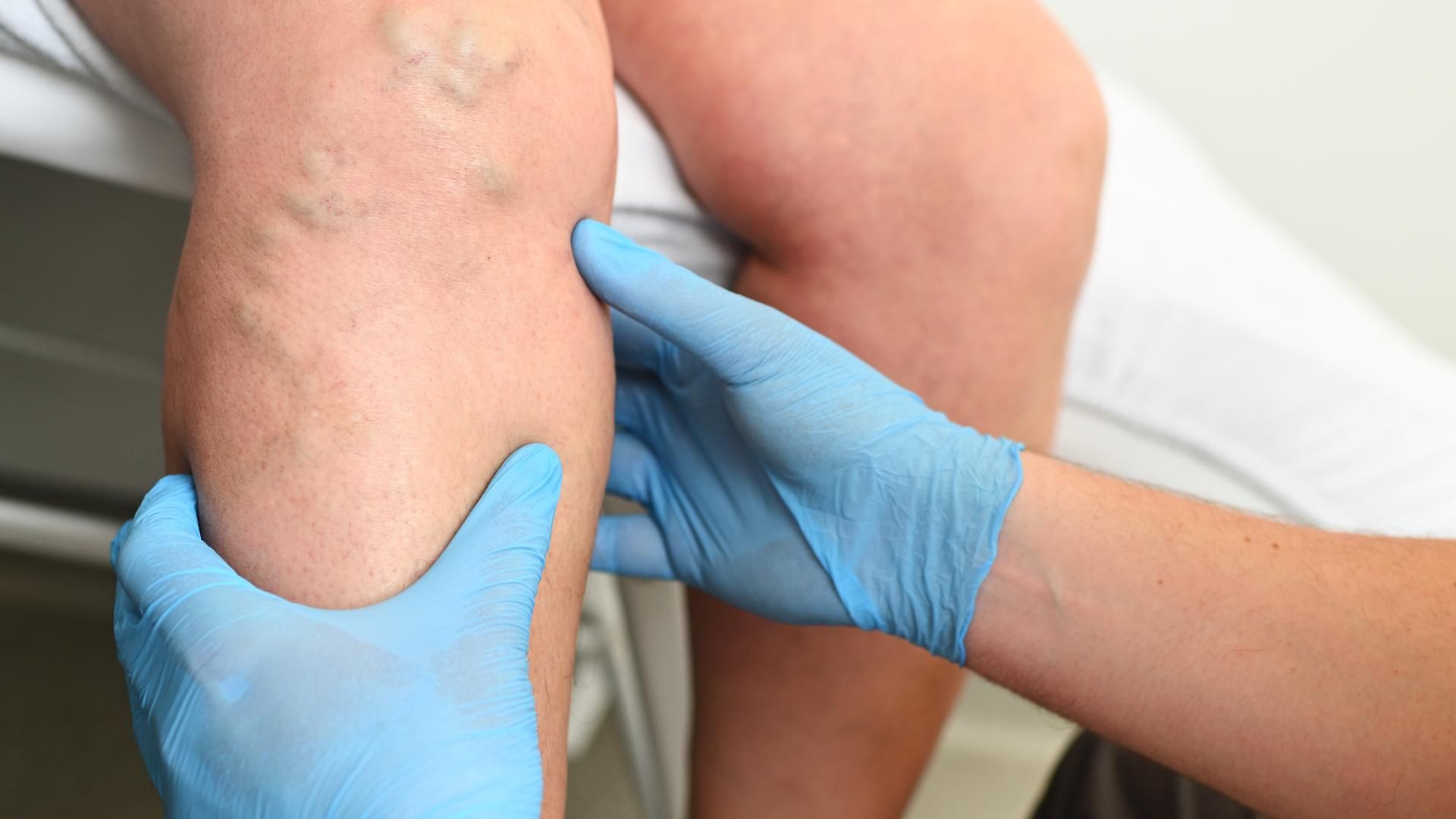
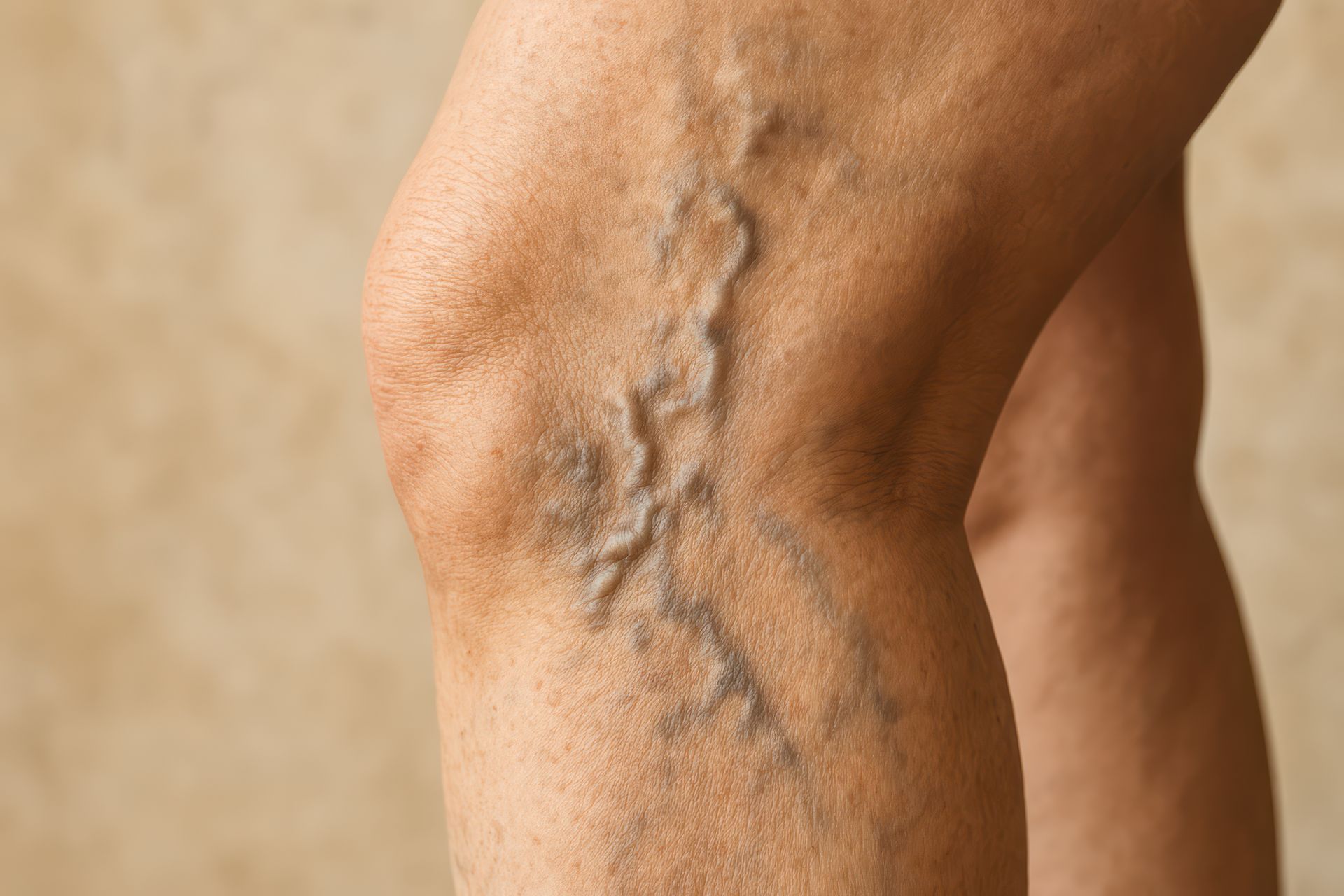
Varicose veins are large, bulging, twisted veins that extend above the skin's surface. They're visible, often painful, and can cause swelling and other symptoms. They're both a cosmetic and medical concern.
Spider veins are tiny, thin veins close to the skin's surface that look like fine lines or a web pattern. They don't bulge and rarely cause symptoms. They're primarily a cosmetic concern.
Varicose Veins Explained
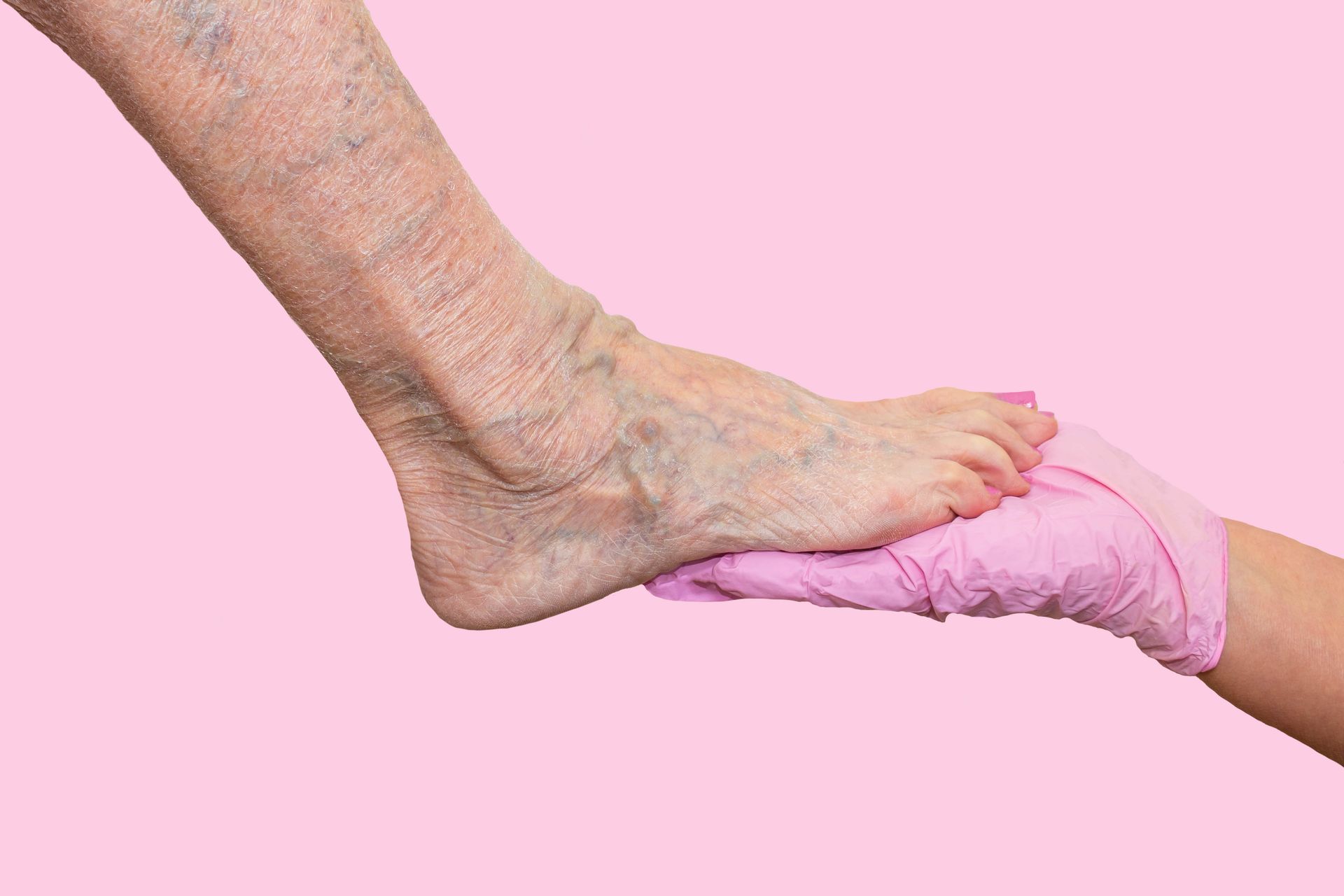
Varicose veins are unmistakable when they develop. They're large, twisted, rope-like veins that stand out visibly on your legs, usually dark blue or purple.
What Causes Them
Varicose veins develop when vein valves weaken or become damaged, allowing blood to pool in your legs. This pooling creates pressure inside the vein, causing the vein wall to stretch and enlarge permanently. Unlike spider veins, varicose veins won't improve on their own because the structural damage is permanent.
Often, varicose veins develop as a result of untreated venous insufficiency. If you've been experiencing leg heaviness or ankle swelling, visible varicose veins may eventually appear.
Symptoms You Might Experience
Many people with varicose veins experience significant discomfort:
- Aching or throbbing pain in affected areas
- Heaviness and fatigue in your legs
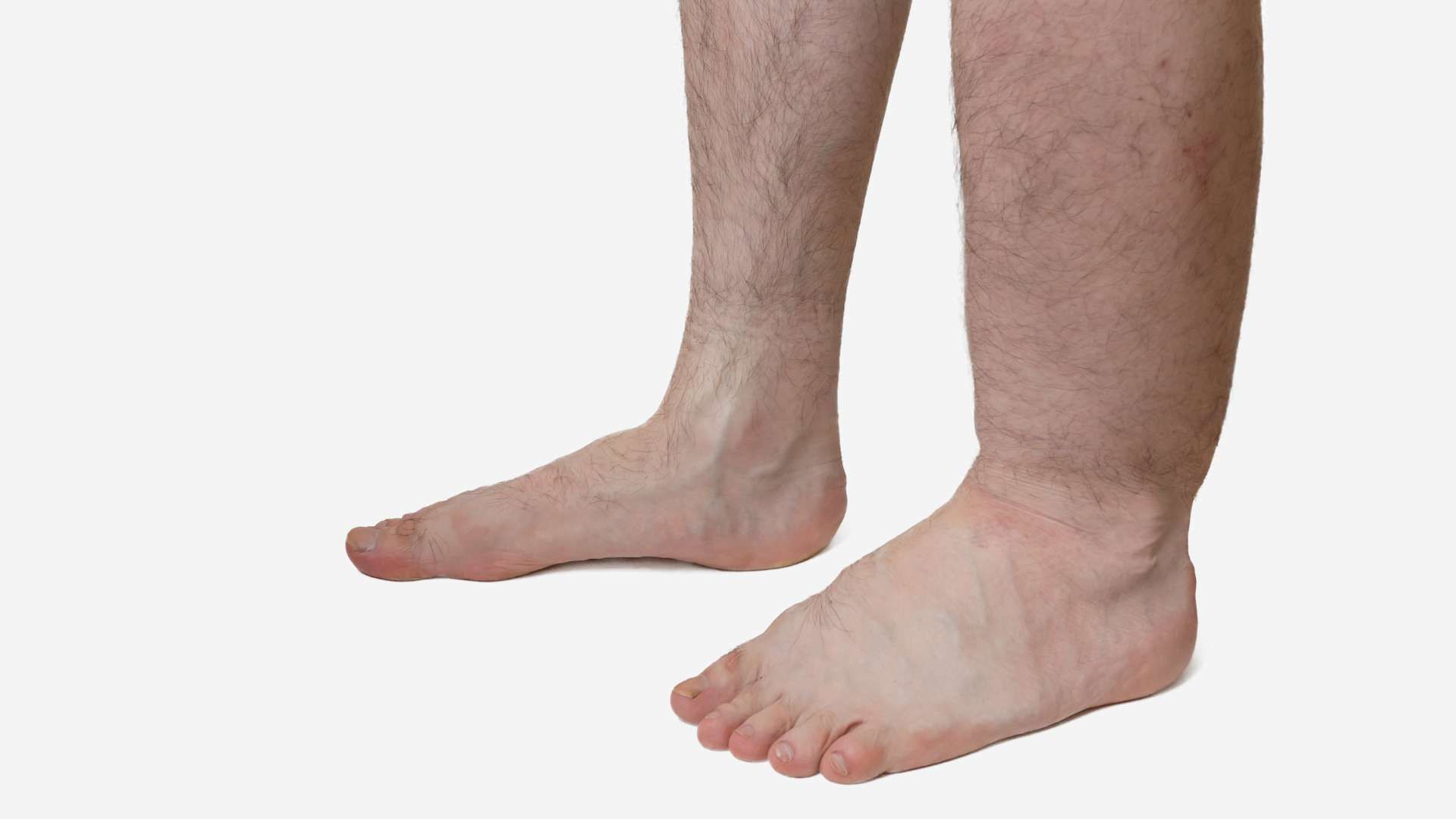
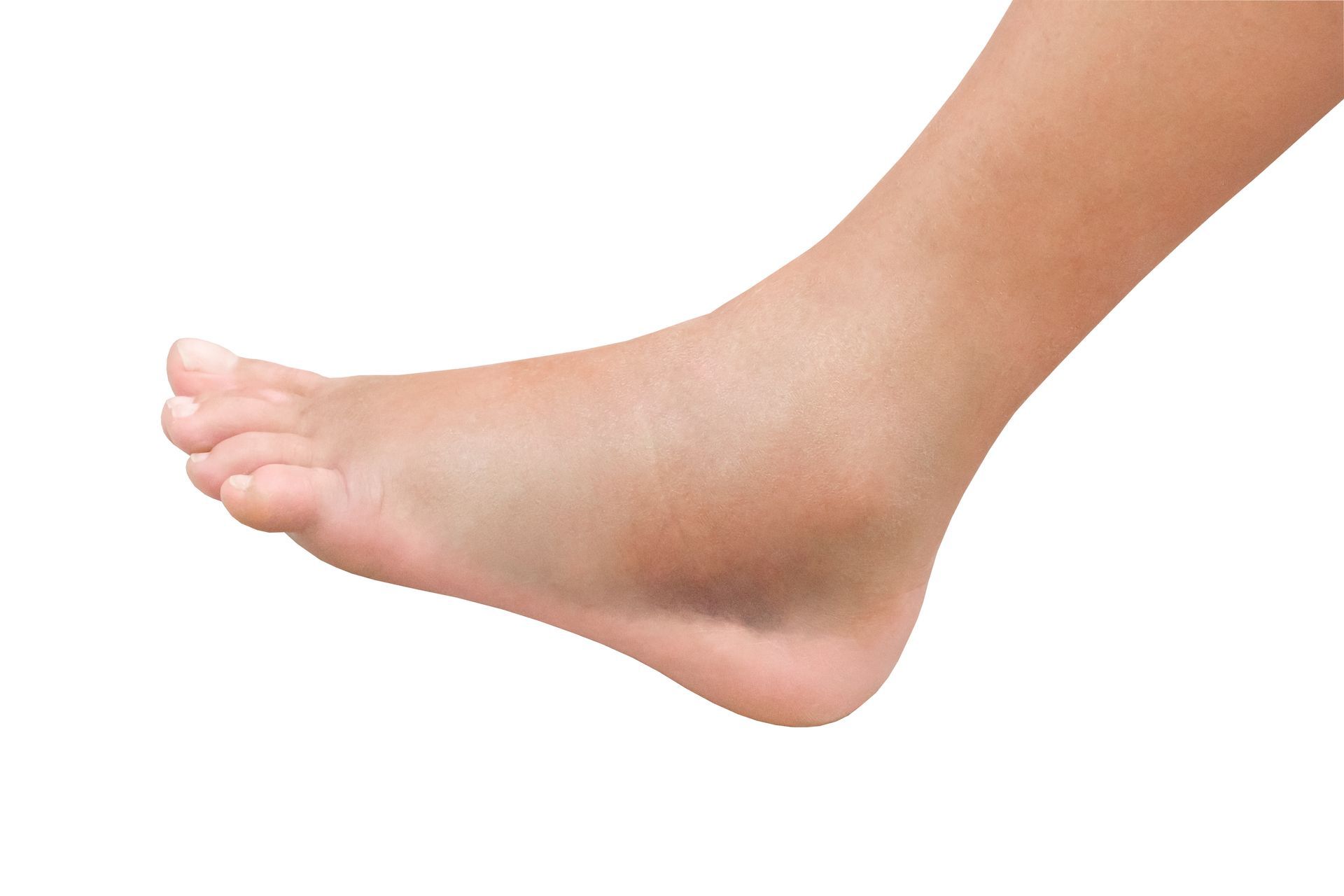
- Swelling in ankles and lower legs
- Muscle cramping, especially at night
- Burning or itching sensations
- Restless legs that disrupt sleep
- Visible bulging that's cosmetically bothersome
Interestingly, symptom severity doesn't always match the vein size. Some people with large varicose veins have minimal symptoms, while others with smaller veins have considerable pain.
Medical and Cosmetic Concern
Varicose veins are both a medical issue and a cosmetic problem. They indicate your circulation isn't working properly, and untreated venous insufficiency can lead to skin ulcers or permanent changes. If you're experiencing symptoms like pain or swelling, insurance often covers treatment as medically necessary.
Spider Veins Explained
Spider veins are much smaller and more delicate than varicose veins, appearing as fine lines close to the skin's surface.
What They Look Like
Spider veins have distinctive characteristics:
- Appear as thin, fine lines close to the skin surface
- Look like spider webs, branches, or sunburst patterns
- Are red, blue, or purple in color
- Stay flat (don't bulge)
- Are usually less than 1-2mm wide
- Can appear on legs, face, or other areas
- Tend to spread or multiply over time
How Spider Veins Develop
Spider veins develop through the same mechanism as varicose veins (weak valves and blood pooling) but affect much smaller veins. Often, spider veins are connected to deeper venous insufficiency. The visible spider veins sometimes indicate blood pooling problems happening in deeper veins.
Symptoms (Or Lack Thereof)
Most spider veins cause no symptoms at all. People with spider veins typically don't experience pain, swelling, or heaviness from the spider veins themselves. However, if spider veins are connected to underlying venous insufficiency, you might experience leg heaviness, swelling, or mild aching even though the visible spider veins aren't directly causing it.
Purely Cosmetic (Usually)
Since spider veins rarely cause symptoms, they're typically considered cosmetic rather than a medical problem. Many people with spider veins have perfectly healthy circulation. Insurance often doesn't cover spider vein treatment because it's not medically necessary, though if evaluation shows underlying venous insufficiency, treatment might be covered.
Key Differences at a Glance
| Feature | Varicose Veins | Spider Veins |
|---|---|---|
| Size | Large, several mm wide | Tiny, less than 1-2mm |
| Appearance | Bulging, twisted, rope-like | Flat, fine lines, web-like |
| Color | Dark blue or purple | Red, blue, or purple |
| Symptoms | Often painful and uncomfortable | Usually no symptoms |
| Underlying issue | Indicate venous insufficiency | May or may not indicate deeper issues |
| Medical or cosmetic? | Both | Mostly cosmetic |
| Insurance coverage | Often covered if symptomatic | Usually not covered |
Do Spider Veins Mean You Have a Problem?
The answer depends on your specific situation.
Spider veins only, no other symptoms: You probably don't have a medical problem. Circulation is likely fine, and spider veins are just cosmetic. You can treat them if they bother you, but you don't have to.
Spider veins plus other symptoms: Like leg heaviness, swelling, aching, or cramping, this suggests underlying venous insufficiency. The spider veins might be the visible sign of a deeper problem worth treating.
Extensive or rapidly spreading spider veins: These warrant professional evaluation because they might indicate an underlying circulatory problem that would benefit from treatment.
Treatment Options
Because varicose veins and spider veins are different, treatment approaches often vary, though both respond well to modern minimally invasive methods.
Treating Varicose Veins
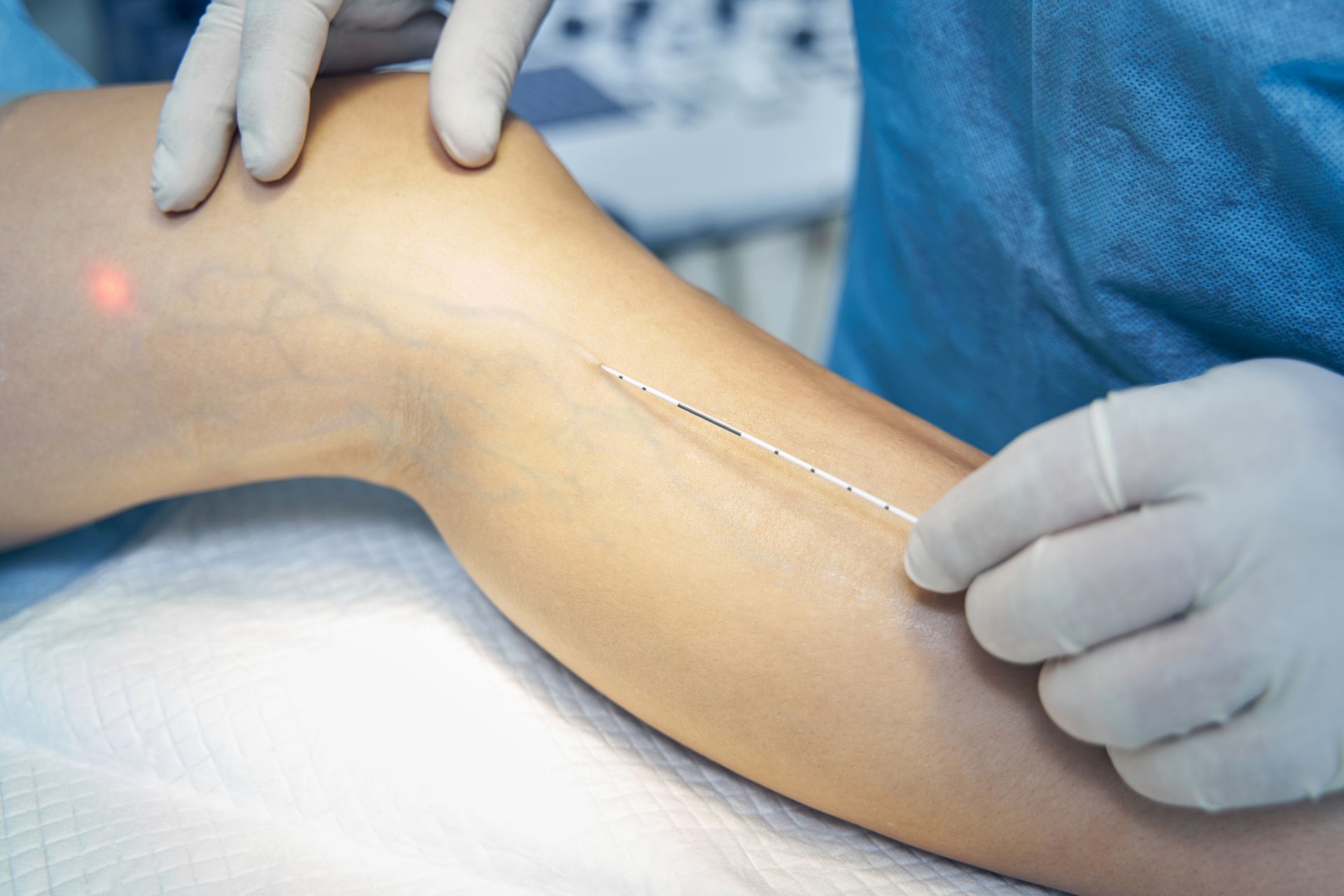
Varicose veins need to be addressed because they indicate a circulation problem. At The Vein Institute, we offer minimally invasive office-based treatments that effectively eliminate varicose veins and restore proper circulation with excellent success rates and quick recovery.
Compression stockings and lifestyle changes can manage symptoms temporarily but won't eliminate varicose veins or fix the underlying problem.
Treating Spider Veins
Sclerotherapy is commonly used for spider vein treatment. This involves injecting a special solution directly into the spider veins, causing them to collapse and gradually fade. The procedure is quick and performed in the office.
Spider vein treatment is usually elective and cosmetic. However, if spider veins are part of underlying venous insufficiency, treating the deeper problem can sometimes cause spider veins to improve on their own.
Spider vein treatment is usually elective and cosmetic. However, if spider veins are part of underlying venous insufficiency, treating the deeper problem can sometimes cause spider veins to improve on their own.
Will Spider Veins Turn Into Varicose Veins?
Not exactly. Spider veins themselves won't transform into varicose veins, but the same underlying problem that creates spider veins might eventually create larger veins. If you have spider veins and don't address any underlying venous insufficiency, you might develop varicose veins later.
Should You Treat Spider Veins?
This is a personal decision based on:
Aesthetic concern: Do spider veins affect your confidence or how you dress? That's reason enough to pursue treatment.
Progression: Are they spreading and multiplying? Rapid progression warrants evaluation.
Other symptoms: Do you have signs of underlying venous insufficiency? This might make treatment medically necessary.
Cost: Are you willing to pay for cosmetic treatment if insurance doesn't cover it?
You can absolutely choose to live with spider veins if they don't bother you. They're not dangerous, just cosmetically annoying to some people.
FAQs
Can varicose veins cause serious health problems?
Untreated varicose veins and the underlying venous insufficiency can lead to complications like skin ulcers or blood clots in rare cases. This is why early treatment is important.
Are spider veins hereditary?
Yes, if your parents had vein problems, you're more likely to develop them. Genetics significantly affects vein health.
How do I know if I need treatment?
If you have symptoms like pain, swelling, or heaviness, treatment is medically advisable. For cosmetic concerns, it's your choice.
How long does spider vein treatment take?
Sclerotherapy typically takes 15-30 minutes. Multiple sessions may be needed for best results.
Will veins come back after treatment?
Successfully treated veins won't reopen. However, you might develop new vein problems in other areas if you have genetic predisposition or ongoing risk factors. .
FAQs About The Vein Institute
Where are your locations?
We have two convenient Texas locations. Our San Antonio clinic is at 14530 NW Military Hwy, Suite 100, San Antonio, TX 78231. Our Boerne office is at 745 West San Antonio Ave, Suite 100, Boerne, TX 78006.
How do I schedule an appointment?
Call our San Antonio office at (210) 236-9372 or our Boerne office at (830) 331-9900. You can also visit our contact page to request an appointment online.
Does insurance cover vein treatment?
Most insurance plans cover treatment for medically necessary conditions like symptomatic varicose veins and venous insufficiency. Spider vein treatment is usually considered cosmetic and may not be covered. Our team will verify your benefits.
Ready to Address Your Vein Concerns?
Whether you have varicose veins, spider veins, or you're not sure what you're dealing with, The Vein Institute can help. Dr. Sorace specializes in diagnosing and treating both conditions with minimally invasive techniques that get you back to feeling confident in your legs.
Contact us today to schedule your consultation.
San Antonio Office: 14530 NW Military Hwy, Suite 100, San Antonio, TX 78231 | Phone: (210) 236-9372
Boerne Office: 745 West San Antonio Ave, Suite 100, Boerne, TX 78006 | Phone: (830) 331-9900
Disclaimer: The information provided on this blog is for general informational purposes only and is not intended as, and should not be considered, medical advice. All information, content, and material available on this blog are for general informational purposes only. Readers are advised to consult with a qualified healthcare professional for medical advice, diagnosis, or treatment. The author and the blog disclaim any liability for the decisions you make based on the information provided. Always seek the advice of your physician or other qualified health provider with any questions you may have regarding a medical condition.