Leg Swelling and Varicose Veins: When It Could Be Venous Insufficiency
Key Points
- Leg swelling and varicose veins together are hallmark signs of venous insufficiency
- These symptoms rarely occur in isolation when caused by vein problems
- Venous insufficiency means your veins aren't moving blood efficiently back to your heart
- The combination of swelling plus varicose veins indicates progressive vein disease
- Early treatment prevents symptoms from worsening and complications from developing
- Understanding the connection helps you recognize when professional evaluation is needed
- Addressing venous insufficiency early improves treatment outcomes significantly
You notice your ankles are puffy by the end of the day, and when you look more closely, there are those bulging veins on your legs. Your legs feel heavy and tired. At first, you might think these are separate issues, but they're actually pieces of the same puzzle.
When you have leg swelling AND varicose veins at the same time, you're looking at a clear pattern that points to one underlying condition:
venous insufficiency. Understanding this connection is important because it changes how you should respond to these symptoms.
Understanding the Connection
Here's the key thing to understand: leg swelling and varicose veins aren't separate problems that happen to occur together. They're both symptoms of the same root problem.
Venous insufficiency happens when the valves inside your leg veins become weak or damaged. These valves are supposed to open to let blood flow upward toward your heart and close to prevent it from flowing backward. When they fail, blood pools in your lower legs instead of being efficiently pumped back up.
This pooling creates two visible problems:
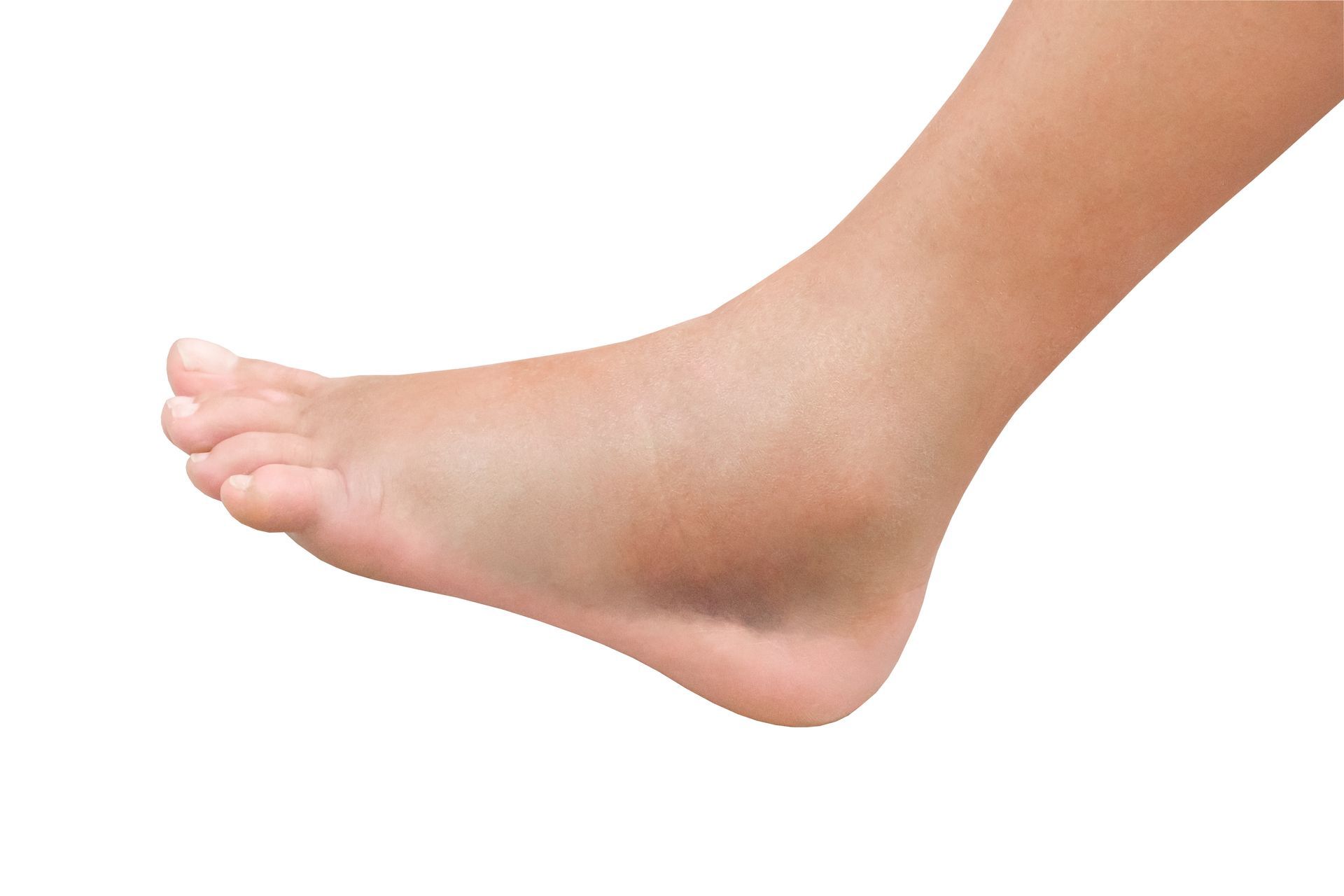
Swelling: The pooled blood creates increased pressure in your veins, which forces fluid out of the blood vessels and into surrounding tissues. This causes your ankles and lower legs to swell, especially as the day goes on.
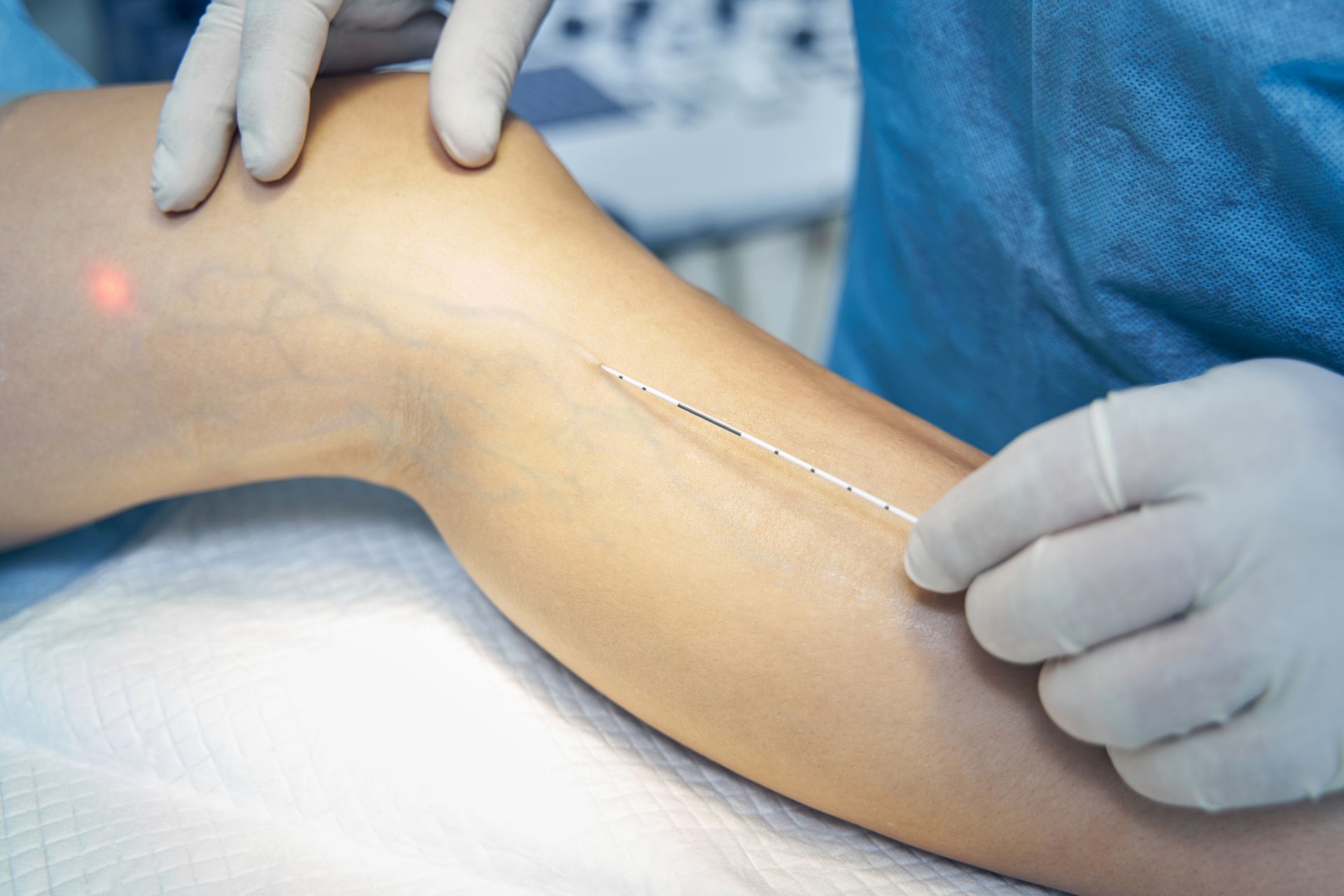
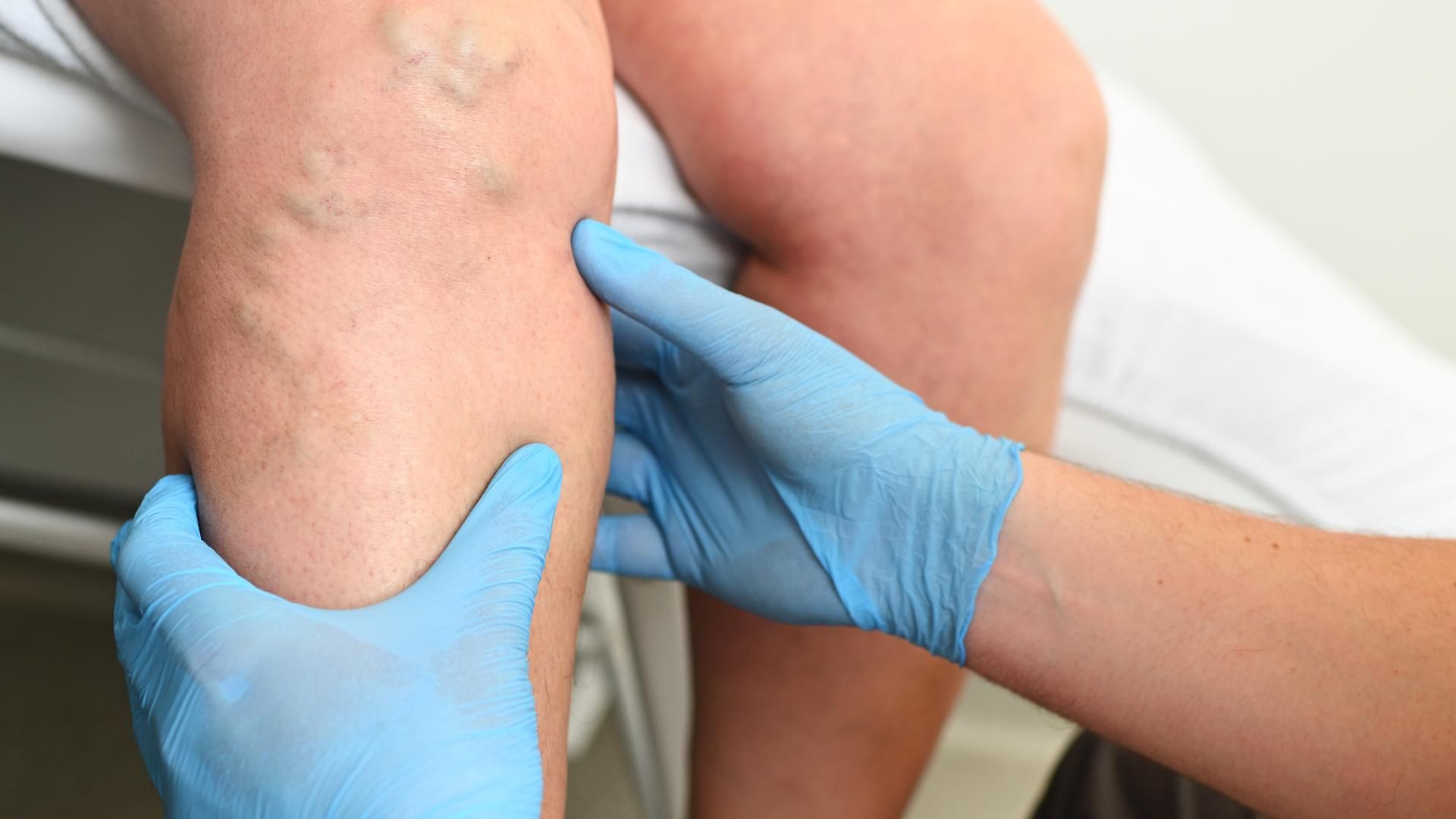
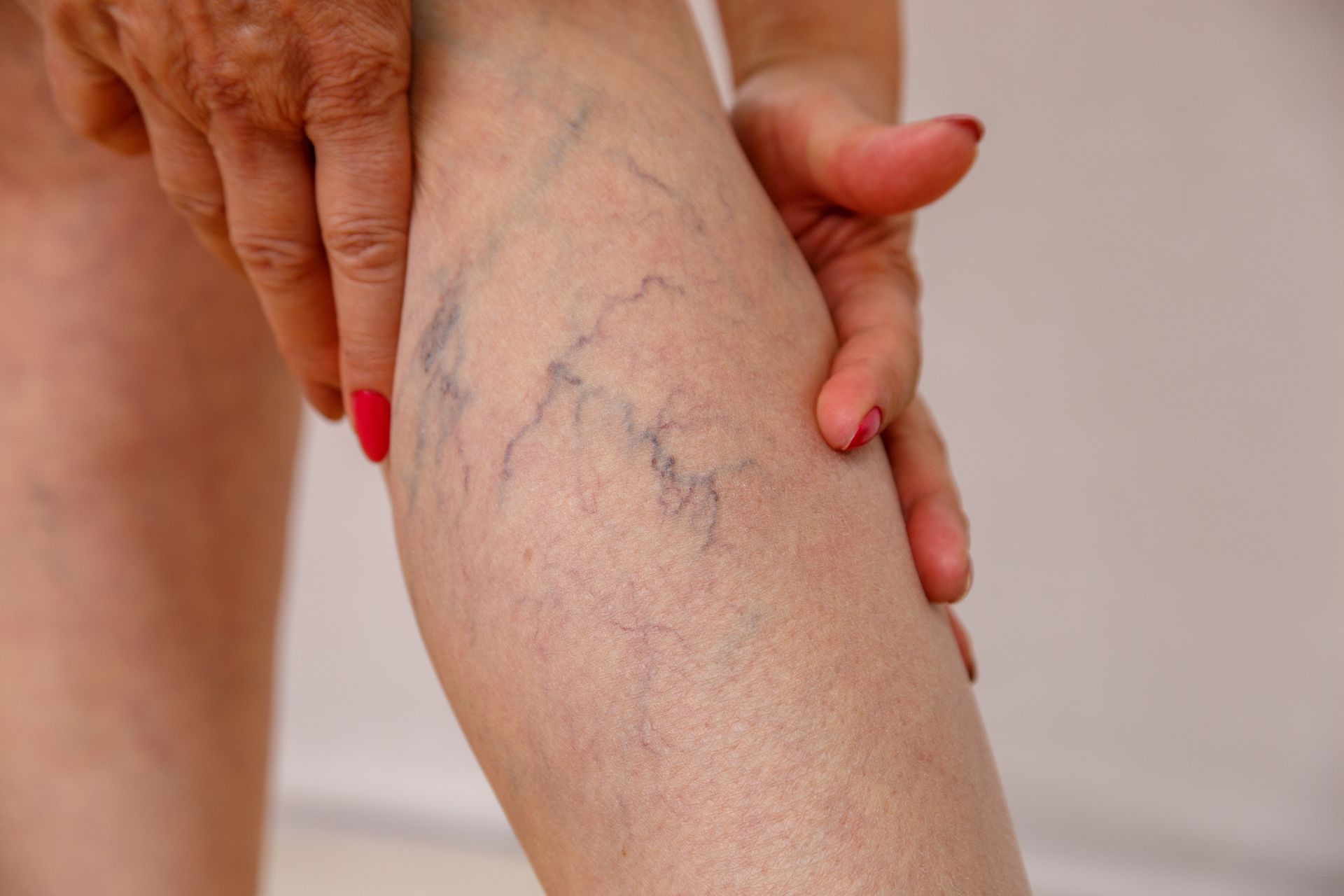
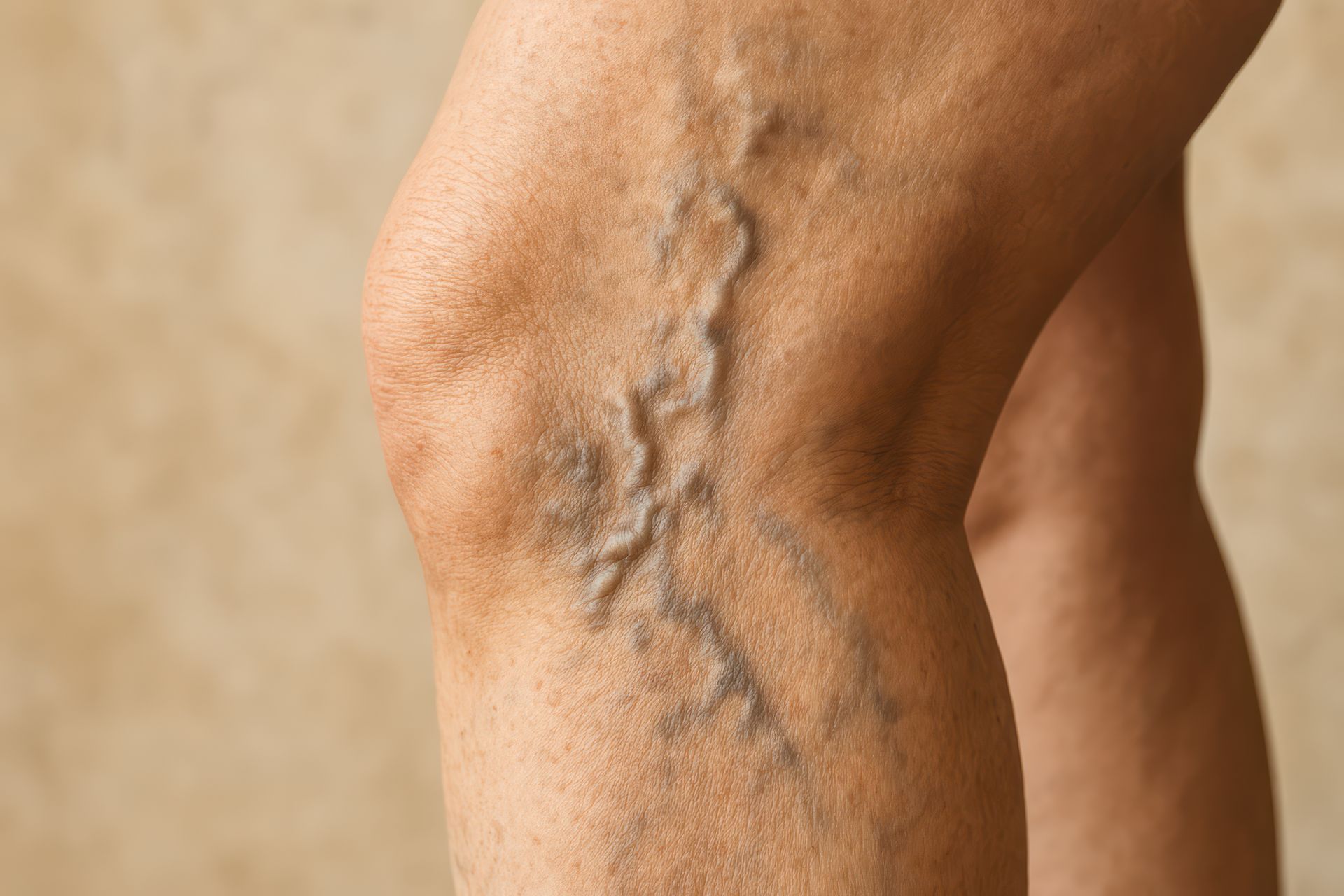
Varicose veins: The increased pressure and blood pooling also causes the veins to stretch and enlarge. Over time, the veins become permanently enlarged and twisted. These are the varicose veins you see.
Both are direct results of the same circulatory failure. The swelling is the fluid consequence of the pressure. The varicose veins are the structural consequence. They develop together because they have the same cause.
This is why people with varicose veins almost always experience leg swelling, and people with significant leg swelling almost always develop or already have varicose veins. The symptoms travel together because they're caused by the same underlying problem.
When Swelling Plus Varicose Veins Means Venous Insufficiency
Not every instance of swelling or varicose veins indicates venous insufficiency. But when you have both together, the likelihood is very high.
You have leg swelling and visible varicose veins: This combination is a strong indicator of venous insufficiency. Your veins aren't functioning properly, and the evidence is right there on your legs.
The swelling follows a daily pattern: It's worse by evening and improves overnight. The varicose veins are prominent and visible. Together, these point to venous insufficiency.
You also have other symptoms: Add leg heaviness or fatigue, aching, cramping, or nighttime restlessness, and the picture becomes even clearer. Multiple symptoms pointing in the same direction strongly suggest venous insufficiency.
The symptoms are progressive: Both the swelling and the appearance of varicose veins are getting worse over time rather than staying the same. This progression is typical of venous insufficiency.
When you have multiple symptoms all pointing to the same circulatory problem, a professional evaluation isn't optional. It's necessary to understand what's happening and prevent further progression.
Why These Symptoms Get Worse Together
Venous insufficiency is progressive. Without treatment, both the swelling and the varicose veins tend to worsen over time, and they worsen together.
Here's why: as the underlying venous insufficiency progresses, more blood pools in your legs, the pressure increases further, more fluid leaks into tissues (increasing swelling), and the veins stretch more (enlarging the varicose veins).
Early stage: Mild swelling that improves overnight. Small varicose veins that are starting to appear.
Progressive stage: Swelling that's more pronounced and takes longer to resolve. More extensive varicose veins that are getting larger and more numerous.
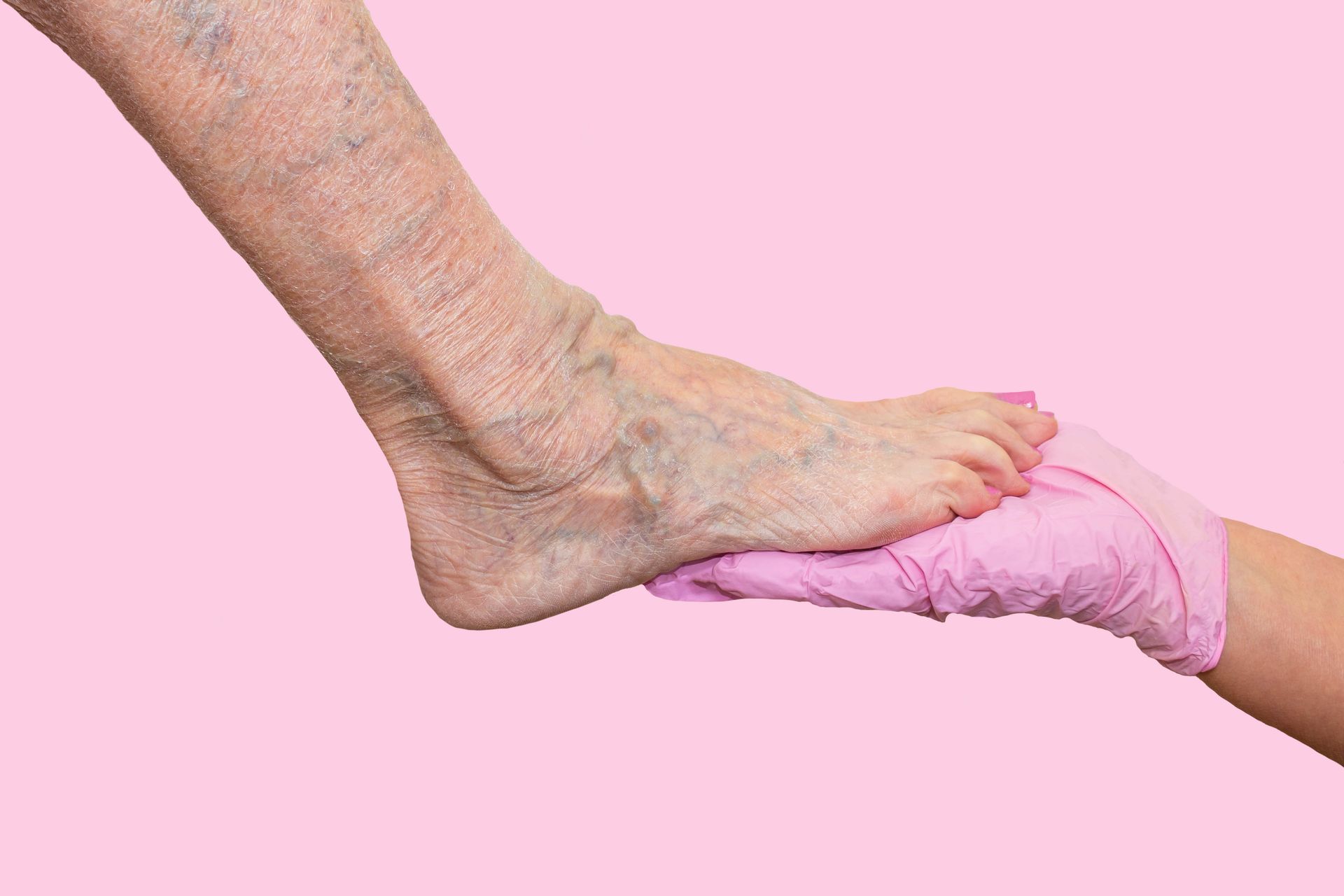
Advanced stage: Chronic swelling that doesn't completely resolve overnight. Large, prominent varicose veins. Possibly skin changes like discoloration or thickening.
This worsening pattern is predictable and preventable. Early intervention stops the progression. The longer you wait, the more damage occurs and the more complicated treatment becomes.
Other Symptoms That Often Accompany Swelling and Varicose Veins
If you have leg swelling and varicose veins, watch for these additional signs that confirm venous insufficiency:
Leg heaviness and fatigue: That weighted-down feeling that gets worse as the day goes on is a classic venous insufficiency symptom. If your legs feel like they're filled with lead by evening, your circulation isn't working properly.
Aching or throbbing: Discomfort in and around your varicose veins, or a general achiness in your lower legs, indicates the increased pressure and blood pooling.
Nighttime symptoms: Leg cramps, restless legs, or general discomfort at night suggest venous insufficiency. Your legs are struggling with circulation even at rest.
Skin changes: Discoloration (usually brown or reddish patches around your ankles), thickening of the skin, or a shiny or tight appearance indicates that chronic blood pooling is affecting your tissue health.
Burning or itching: Sensations around your varicose veins or on your lower legs often accompany venous insufficiency.
Restlessness and sleep disruption: If your legs keep you awake or make it hard to find a comfortable sleeping position, that's another sign of circulation problems.
The more symptoms you have, the more certain it is that you're dealing with venous insufficiency rather than isolated swelling or isolated cosmetic vein problems.
Why Early Recognition Matters
Here's the critical part: recognizing that your swelling and varicose veins indicate venous insufficiency is important because it changes how you should respond.
If you think you just have slightly puffy ankles that are cosmetic or temporary, you might ignore it. If you think your varicose veins are just a vanity issue, you might decide to live with them. But when you understand that these symptoms together indicate venous insufficiency, a progressive circulatory condition, the urgency changes.
Venous insufficiency doesn't improve on your own. It doesn't stay the same. It gets worse. And the longer it progresses untreated, the greater the risk of complications like:
- Venous ulcers (open sores that won't heal)
- Permanent skin damage and thickening
- Blood clots (rare but serious)
- Severe, disabling swelling that limits your activities
Early intervention prevents these complications and stops the progression. Addressing venous insufficiency when you have mild to moderate swelling and varicose veins is much easier than waiting until the condition has advanced.
What You Should Do If You Have Both Symptoms
If you have leg swelling AND varicose veins at the same time, here's what you should do:
Step 1: Recognize what you're looking at. You likely have venous insufficiency. These aren't separate cosmetic issues. They're symptoms of a circulation problem.
Step 2: Schedule a professional evaluation. You need to understand exactly what's happening with your veins. A vein specialist can perform a simple ultrasound to confirm venous insufficiency and assess how advanced it is.
Step 3: Get treatment information. Understanding your options gives you the power to make informed decisions about your health.
Step 4: Discuss insurance coverage. If you have symptoms, treatment is often medically necessary and covered by insurance.
Step 5: Create a treatment plan. Whether you proceed with treatment immediately or decide to manage symptoms conservatively for now, having a plan gives you direction.
For a comprehensive overview of how these symptoms fit together, read our guide to understanding vein problems including venous insufficiency, varicose veins, and their symptoms.
Temporary Relief While You're Deciding
While you're thinking about getting evaluated or waiting for an appointment, these strategies can provide some relief:
Elevate your legs: 15-20 minutes several times daily helps reduce swelling quickly.
Wear compression stockings: These provide support and help reduce swelling during the day.
Move regularly: Walking and gentle exercise improve circulation and reduce pooling.
Avoid prolonged standing or sitting: Change positions frequently throughout the day.
Stay hydrated: Proper hydration helps maintain fluid balance.
Reduce salt intake: Excess sodium causes water retention.
These measures help manage symptoms but won't fix the underlying venous insufficiency. Think of them as temporary symptom management while you address the root problem.
Why Getting Checked Is Worth It
You might be hesitant to see a specialist, worried about what treatment will involve or whether it's really necessary. But here's why getting evaluated is absolutely worth it:
You get answers. You'll know exactly what's happening with your veins instead of guessing or assuming.
You understand your risk. You'll learn whether your venous insufficiency is mild, moderate, or advanced, and what that means for your health.
You know your options. Treatment options exist, and a specialist can explain which are appropriate for your situation.
You can prevent complications. Early treatment prevents serious complications that would require more intensive intervention later.
You might get insurance coverage. If your symptoms are medically significant, insurance often covers treatment.
The evaluation itself is painless, quick, and informative. There's no obligation to proceed with treatment immediately. The evaluation gives you information to make informed decisions about your health.
Dr. Michael Sorace specializes in diagnosing and treating venous insufficiency. A simple ultrasound shows exactly what's happening with your circulation and guides treatment recommendations.
FAQs About Swelling, Varicose Veins, and Venous Insufficiency
Can you have varicose veins without venous insufficiency?
It's possible but uncommon. Most varicose veins indicate at least some degree of venous insufficiency. A professional evaluation can determine whether your specific varicose veins indicate underlying circulatory problems.
Is leg swelling always caused by venous insufficiency?
No, swelling can be caused by many things including medications, heart problems, kidney issues, or injury. However, swelling combined with varicose veins strongly suggests venous insufficiency specifically.
How quickly does venous insufficiency progress?
Progression varies significantly. Some people develop symptoms gradually over years, while others progress more quickly. This is another reason why early evaluation and treatment are important.
Can lifestyle changes alone fix venous insufficiency?
Lifestyle changes like exercise, weight management, and compression stockings can manage symptoms and slow progression, but they won't fix damaged vein valves. Treatment is needed to address the underlying problem.
Will my symptoms come back after treatment?
Successfully treated veins won't reopen. However, you might develop new vein problems in other areas if you have ongoing risk factors. Maintaining a healthy lifestyle helps prevent new issues.
FAQs About The Vein Institute
How do I know if I should get evaluated?
If you have leg swelling AND varicose veins at the same time, you should definitely get evaluated. If you have either symptom plus leg heaviness, aching, or other circulatory symptoms, evaluation is recommended.
What happens during a vein evaluation?
Dr. Sorace will discuss your symptoms, perform a physical exam, and typically perform a venous ultrasound to assess your vein function. The entire appointment usually takes about an hour.
Does insurance cover venous insufficiency treatment?
Most insurance plans cover treatment for medically necessary conditions like symptomatic venous insufficiency. Our team will verify your coverage before proceeding with treatment.
Where are your locations?
We have two convenient Texas locations. Our San Antonio clinic is at 14530 NW Military Hwy, Suite 100, San Antonio, TX 78231. Our Boerne office is at 745 West San Antonio Ave, Suite 100, Boerne, TX 78006.
How do I schedule an appointment?
Call our San Antonio office at (210) 236-9372 or our Boerne office at (830) 331-9900. You can also visit our contact page to request an appointment online.
Don't ignore the combination of leg swelling and varicose veins. These symptoms together are telling you something important about your circulation. Contact The Vein Institute today to get answers and take control of your vein health.
San Antonio Office: 14530 NW Military Hwy, Suite 100, San Antonio, TX 78231 | (210) 236-9372
Boerne Office: 745 West San Antonio Ave, Suite 100, Boerne, TX 78006 | (830) 331-9900
Your legs deserve efficient, healthy circulation. Let's find out what's happening and create a plan to help you feel better.
Disclaimer: The information provided on this blog is for general informational purposes only and is not intended as, and should not be considered, medical advice. All information, content, and material available on this blog are for general informational purposes only. Readers are advised to consult with a qualified healthcare professional for medical advice, diagnosis, or treatment. The author and the blog disclaim any liability for the decisions you make based on the information provided. Always seek the advice of your physician or other qualified health provider with any questions you may have regarding a medical condition.