The Role of Genetics & Family History in Vein Disease
Key Points
- Family history is the strongest predictor of developing varicose veins and venous insufficiency
- Having one parent with vein disease increases your risk to 40-50%; both parents raises it to 90%
- Genetic factors influence vein wall strength, valve function, and inflammatory response
- You can't change your genetics, but early screening and prevention strategies reduce risk
- Knowing your family history allows for proactive monitoring before symptoms develop
- Lifestyle modifications can significantly slow disease progression even with genetic predisposition
- Early intervention prevents complications and improves long-term outcomes
Your mother has had varicose veins for as long as you can remember. Now you're noticing the same telltale bulging veins appearing on your own legs. Or maybe your dad had vein issues and now your siblings are dealing with them too. You start wondering: is this inevitable? Did I inherit bad veins the same way I inherited my eye color?
The short answer is that hereditary vein disease is very real, and family history is actually the single strongest risk factor for developing venous problems. But here's the important part: genetic predisposition doesn't equal genetic destiny. Understanding your inherited risk gives you powerful knowledge that enables early detection and prevention strategies.
Think of it this way—if heart disease runs in your family, you don't just shrug and accept that you'll have a heart attack someday. You monitor your cholesterol, maintain healthy weight, exercise regularly, and stay vigilant about symptoms. The same proactive approach works for vein health.
Let's explore exactly how genetics influences vein disease, what your family history means for your personal risk, and most importantly, what you can do about it.
THE SCIENCE BEHIND HEREDITARY VEIN DISEASE
Genetic factors in vein disease aren't determined by a single gene—they involve complex interactions between multiple genetic variations that affect how your venous system functions.
What Gets Inherited
Several structural and functional characteristics pass down through families:
Vein Wall Integrity: The strength and elasticity of your vein walls are largely determined by genes controlling collagen and elastin production. Weaker vein walls stretch more easily under pressure, leading to valve dysfunction and vein enlargement.
Valve Structure and Function: One-way valves inside your veins prevent blood from flowing backward. Genetic variations affect valve formation, strength, and durability. Some people inherit valves that fail prematurely or never function optimally.
Connective Tissue Composition: Your genetic blueprint determines the quality of connective tissues throughout your body, including those supporting your veins. Inherited connective tissue disorders increase venous disease risk significantly.
Inflammatory Response: Chronic inflammation contributes to vein wall damage and valve deterioration. Your genes influence how your immune system responds to various triggers, potentially creating more or less inflammation in vein tissues.
Blood Clotting Factors: Genetic variations affecting coagulation increase risk of blood clots, which can damage vein valves and lead to chronic venous insufficiency.
How Inheritance Patterns Work
Vein disease doesn't follow simple dominant or recessive inheritance patterns like some genetic conditions. Instead, it's polygenic—meaning multiple genes contribute to your overall risk.
Research studies have identified several genetic markers associated with increased varicose vein risk, but having these markers doesn't guarantee you'll develop problems. Similarly, not having identified markers doesn't make you immune. Genetics loads the gun, but environmental factors pull the trigger.
This complexity explains why vein disease prevalence varies even among family members with identical genetic backgrounds. Identical twins don't always develop identical vein problems, demonstrating that lifestyle and environmental factors play significant roles alongside genetics.
Understanding Your Personal Risk
Family history and vein disease risk shows clear patterns in research studies. Let's break down what different family scenarios mean for you:
One Parent with Vein Disease
If one parent had varicose veins or venous insufficiency, your risk increases to approximately 40-50% compared to 20% in the general population. This elevated risk applies whether it's your mother or father with the condition, though vein disease overall is more common in women.
Both Parents with Vein Disease
When both parents have venous problems, your risk jumps dramatically to roughly 90%. This near-certain likelihood reflects the cumulative effect of inheriting predisposing genetic factors from both sides of your family.
If both your parents developed vein issues, it's not a matter of if you'll deal with vein problems, but when and how severely. This knowledge should motivate early screening and aggressive prevention strategies.
Siblings with Vein Disease
Siblings share approximately 50% of their genetic material on average (identical twins share 100%). If your brother or sister has developed varicose veins, especially at a young age, your risk is elevated even if your parents haven't been diagnosed.
Sometimes vein problems skip a generation or aren't recognized in older family members who attributed symptoms to "just getting old." Your sibling's diagnosis might be the first clear evidence of inherited venous insufficiency in your family line.
Extended Family Patterns
Look beyond immediate family to aunts, uncles, grandparents, and cousins. Patterns across multiple family members suggest strong genetic components. If several relatives on one side of the family developed vein issues, that branch carries predisposing genetic factors you might have inherited.
Age of Onset Matters
Pay attention to when family members developed vein problems. Varicose veins appearing in someone's 20s or 30s suggest stronger genetic influence than veins appearing after age 60. Early onset in family members indicates you should begin screening and prevention earlier than someone without this family history pattern.
Gender and Genetic Risk
While genetics affects everyone, gender influences vein disease expression significantly. Women are roughly twice as likely to develop varicose veins as men, even with similar genetic backgrounds.
Why Women Face Higher Risk
Hormonal Influences: Estrogen and progesterone affect vein wall elasticity and valve function. Pregnancy, birth control pills, and hormone replacement therapy all increase vein disease risk in genetically susceptible women.
Pregnancy: Each pregnancy increases varicose vein risk by approximately 20-30%. Genetic predisposition combined with pregnancy-related changes creates a perfect storm for vein disease development. Blood volume increases by 40-50% during pregnancy, veins dilate under hormonal influence, and the growing uterus puts pressure on pelvic veins.
Women with strong family histories of vein disease often develop varicose veins during or shortly after pregnancy. For some women, pregnancy-related veins improve after delivery. For others, especially those with genetic predisposition, they persist and worsen over time.
Multiple Pregnancies: Having several children compounds risk. Women with genetic susceptibility who have multiple pregnancies face substantially higher varicose vein risk than nulliparous women (those who've never been pregnant).
Men Aren't Immune
While less common, men with genetic predisposition definitely develop varicose veins. Men often delay seeking treatment longer than women because of lower awareness or concern about cosmetic appearance. This delay can lead to more advanced disease by the time they seek evaluation.
What to Do If Vein Disease Runs in Your Family
Knowing you're at elevated risk shouldn't cause panic—it should motivate proactive management. Prevention strategies for hereditary vein disease can significantly reduce your likelihood of developing problems or slow progression if issues do develop.
Start with Early Screening
If you have family history of vein disease, don't wait until symptoms appear before getting evaluated. Early vein disease screening allows detection of venous insufficiency before it causes visible varicose veins or uncomfortable symptoms.
When to Begin Screening:
- Age 25-30 if both parents had early-onset vein disease
- Age 30-35 if one parent or multiple siblings have vein problems
- Immediately if you're pregnant and have family history
- Any age if you notice symptoms or visible veins
Early screening typically includes:
Medical History: Detailed discussion of family history, personal symptoms, and risk factors.
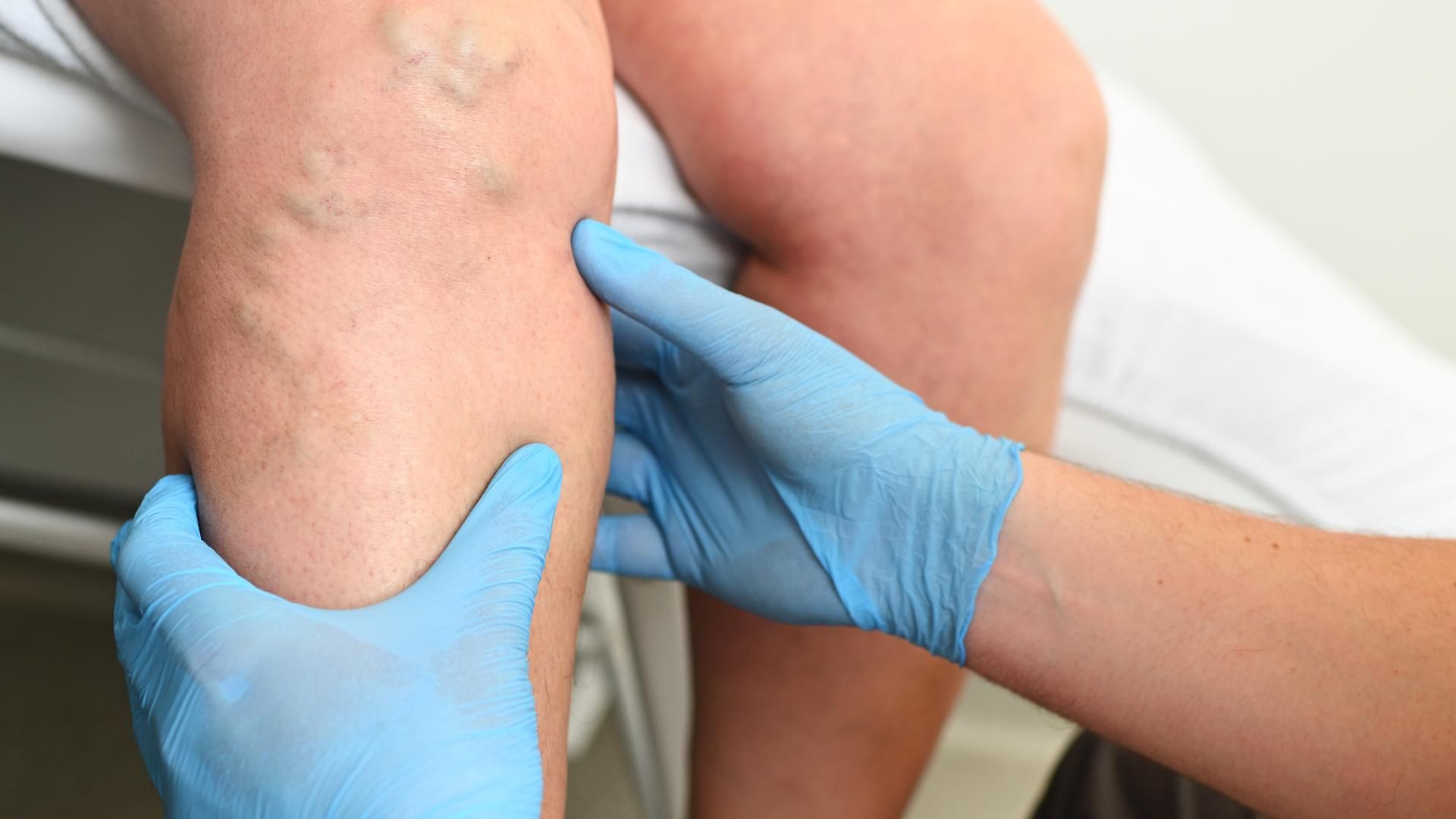
Physical Examination: Visual inspection and palpation of legs to identify early vein changes.
Venous Ultrasound: Non-invasive imaging that evaluates blood flow through leg veins, identifies valve dysfunction, and measures vein diameter. Ultrasound can detect venous insufficiency before it causes visible symptoms.
Baseline screening establishes your venous health status and provides comparison for future evaluations. If early insufficiency is detected, you can implement aggressive prevention and monitoring before problems advance.
Implement Lifestyle Modifications
You can't change your genes, but lifestyle choices significantly influence whether genetic predisposition becomes active disease. Think of lifestyle modifications as turning down the volume on your genetic risk.
Maintain Healthy Weight: Excess weight increases pressure throughout your venous system. Even modest weight loss (5-10% of body weight) reduces venous pressure and slows disease progression.
Studies show that obesity increases varicose vein risk by 50% in genetically susceptible individuals. Maintaining healthy BMI is one of the most impactful prevention strategies available.
Stay Physically Active: Regular exercise strengthens calf muscles that pump blood back to your heart, reducing venous pressure. Walking, cycling, swimming, and strength training all benefit venous health.
Aim for at least 30 minutes of moderate activity most days. Even if you have sedentary work, taking regular breaks to move makes a significant difference.
Avoid Prolonged Standing or Sitting: Extended periods in one position allow blood to pool in leg veins, increasing pressure and accelerating valve damage. If your job requires prolonged standing or sitting, take frequent breaks to change position.
For desk workers, stand and walk briefly every 30-60 minutes. For those who stand all day, sit down during breaks and elevate legs when possible.
Elevate Your Legs: When resting, elevate legs above heart level to reduce venous pressure. Even 15-20 minutes several times daily provides benefit.
Stay Hydrated: Proper hydration maintains blood viscosity and supports healthy circulation. Dehydration makes blood thicker and more difficult to pump back to the heart.
Avoid Smoking: Smoking damages blood vessel walls and impairs circulation. If you have genetic predisposition to vein disease, smoking accelerates disease development.
Use Compression Therapy Strategically
Graduated compression stockings are underutilized prevention tools. They're not just for people who already have varicose veins—they prevent disease progression in at-risk individuals.
Compression stockings apply graduated pressure strongest at the ankle, decreasing up the leg. This pressure assists blood flow back to the heart, reducing pooling and venous pressure.
When to Consider Compression:
- Jobs requiring prolonged standing or sitting
- During pregnancy, especially if family history is present
- Long flights or car trips (sitting for extended periods)
- After developing first visible spider or varicose veins
- During high-risk periods (pregnancy, following surgery, during illness)
Medical-grade compression (15-20 mmHg for prevention, higher grades if recommended by Dr. Sorace) provides optimal benefit. Over-the-counter compression socks may not provide adequate pressure or proper graduated compression.
Monitor for Early Warning Signs
Knowing what to watch for allows early intervention before problems become advanced. Early vein disease symptoms often include:
● Leg heaviness or fatigue, especially by end of day
● Aching or throbbing in legs
● Night cramps in calves
● Restless legs, particularly at night
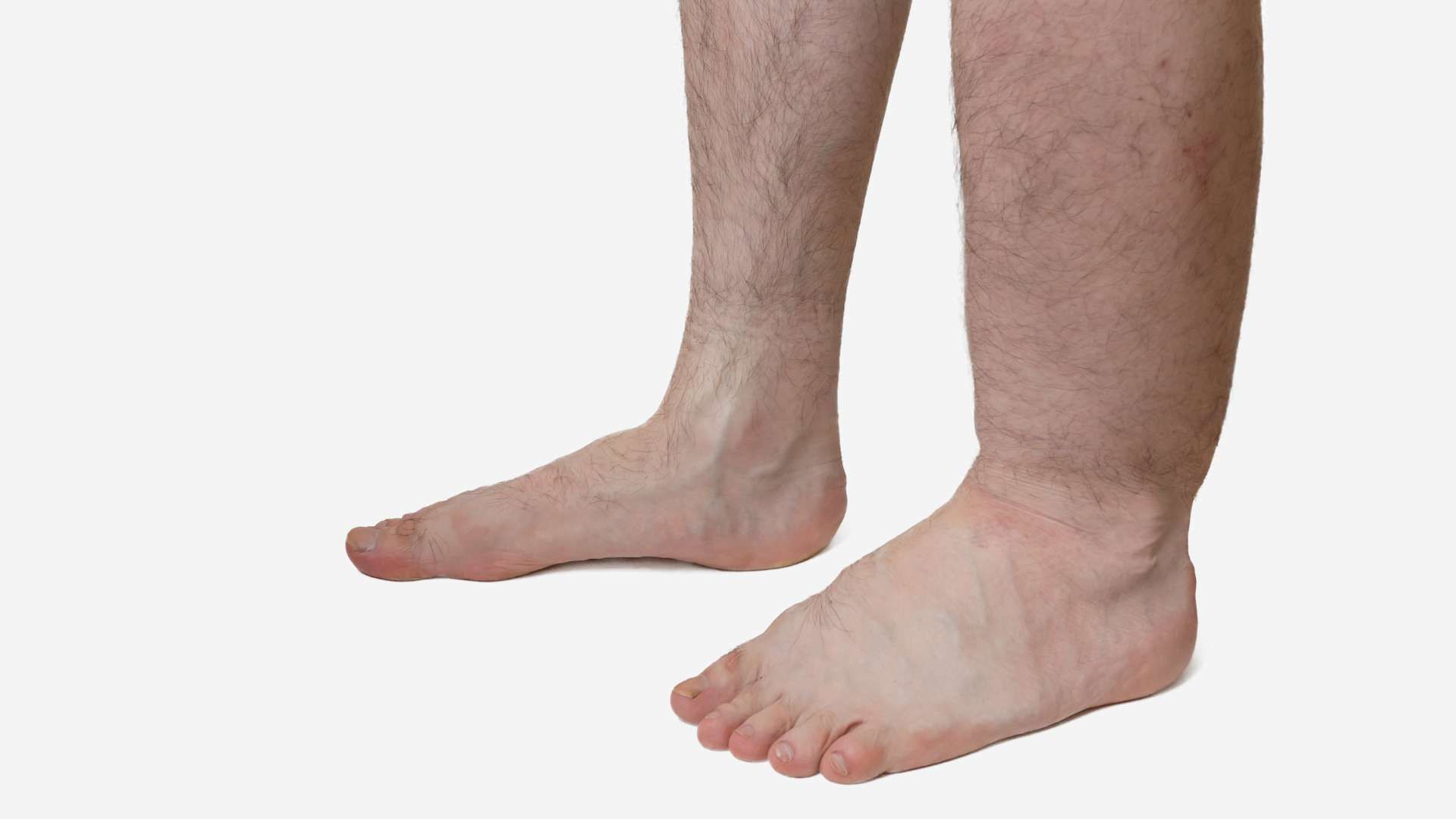
● Mild swelling in ankles and lower legs
● Itching around developing veins
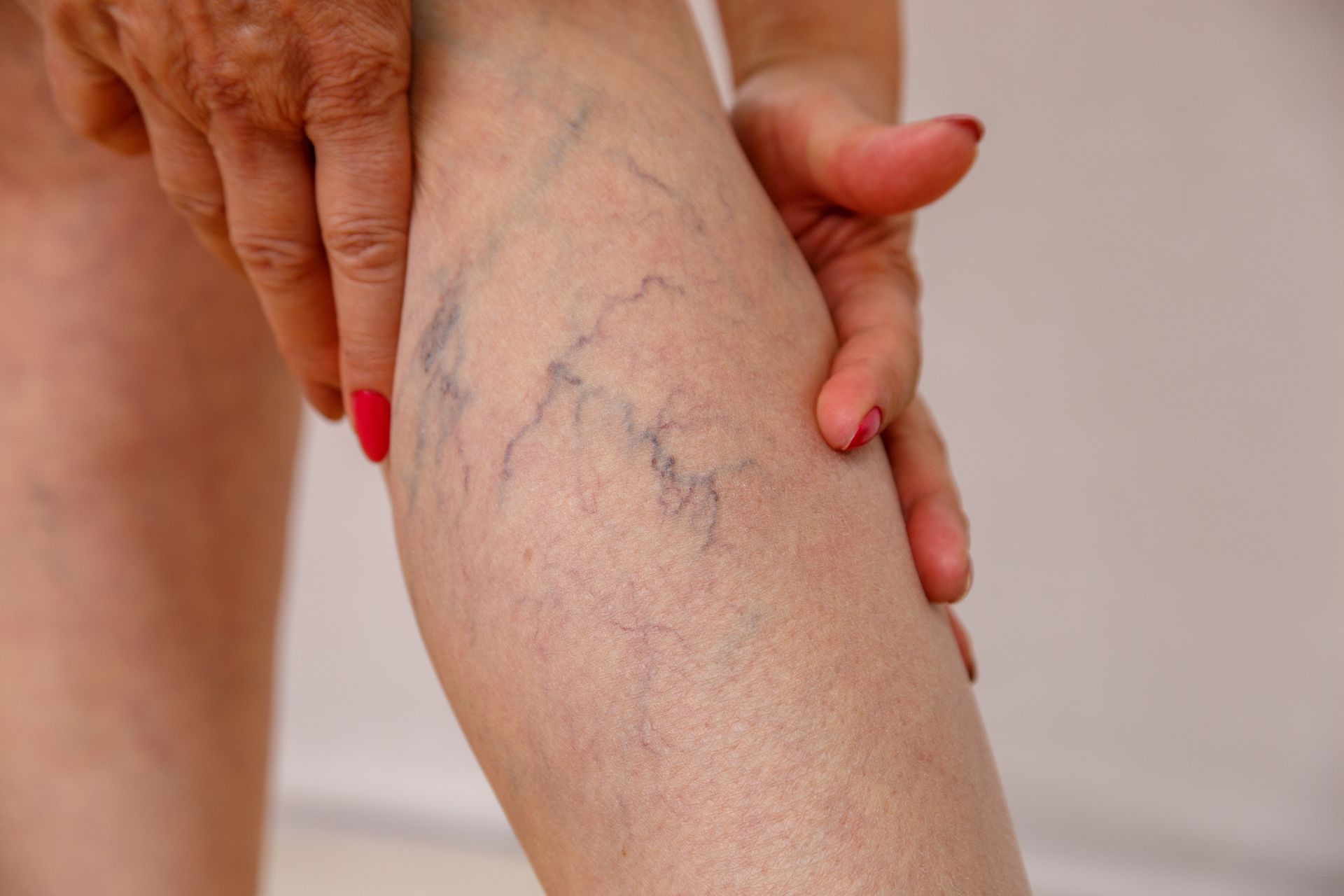
● Visible spider veins or small varicose veins
Don't dismiss these symptoms as normal aging or tiredness. When you have family history, these signs warrant professional evaluation even if they seem minor.
Time Pregnancy Strategically When Possible
If you're planning pregnancy and have strong family history of vein disease, discuss venous health with Dr. Sorace before conceiving.
Preventive measures during pregnancy can reduce your risk:
● Wearing compression stockings throughout pregnancy
● Staying as active as your pregnancy allows
● Elevating legs frequently
● Managing weight gain appropriately
● Monitoring for early signs of venous insufficiency
Some women with family history benefit from vein evaluation before pregnancy to identify and potentially treat existing venous insufficiency before it worsens during pregnancy.
Understanding What You Can and Cannot Control
Accepting what's in your control versus what isn't helps you focus energy productively rather than feeling helpless about genetic risk.
What You Cannot Control
- Your genetic makeup and inherited vein structure
- Family history patterns
- Hormonal influences related to being female
- Aging effects on vein walls and valves
- Past pregnancies that already occurred
What You Can Control
- Your weight and activity level
- Occupational choices and workplace modifications
- Use of compression therapy
- Timing of evaluation and treatment
- How aggressively you implement prevention strategies
- Whether you seek early treatment for developing problems
Focusing on controllable factors empowers you to positively influence outcomes despite genetic predisposition.
The Importance of Early Intervention
One of the biggest advantages of knowing your genetic risk is the opportunity for early vein disease treatment before complications develop.
Why Early Treatment Matters
Prevents Progression: Venous insufficiency tends to worsen over time. Early treatment of problematic veins before they become severely enlarged leads to better outcomes.
Reduces Complication Risk: Advanced venous disease can cause skin changes, ulcers, blood clots, and bleeding. Early intervention prevents these serious complications.
Easier Treatment: Smaller, less advanced varicose veins typically respond better to minimally invasive treatments. Advanced disease sometimes requires more extensive interventions.
Better Quality of Life: Don't suffer through years of discomfort waiting for veins to become "bad enough" to treat. Early treatment relieves symptoms and prevents quality of life decline.
Cost-Effective: Treating early-stage disease is typically less expensive than managing advanced complications. Insurance usually covers treatment once venous insufficiency is documented, even before complications develop.
Modern Treatment Options
If you do develop varicose veins despite prevention efforts, modern treatments are minimally invasive, highly effective, and nothing like the vein stripping surgery of past decades.
Treatments include:
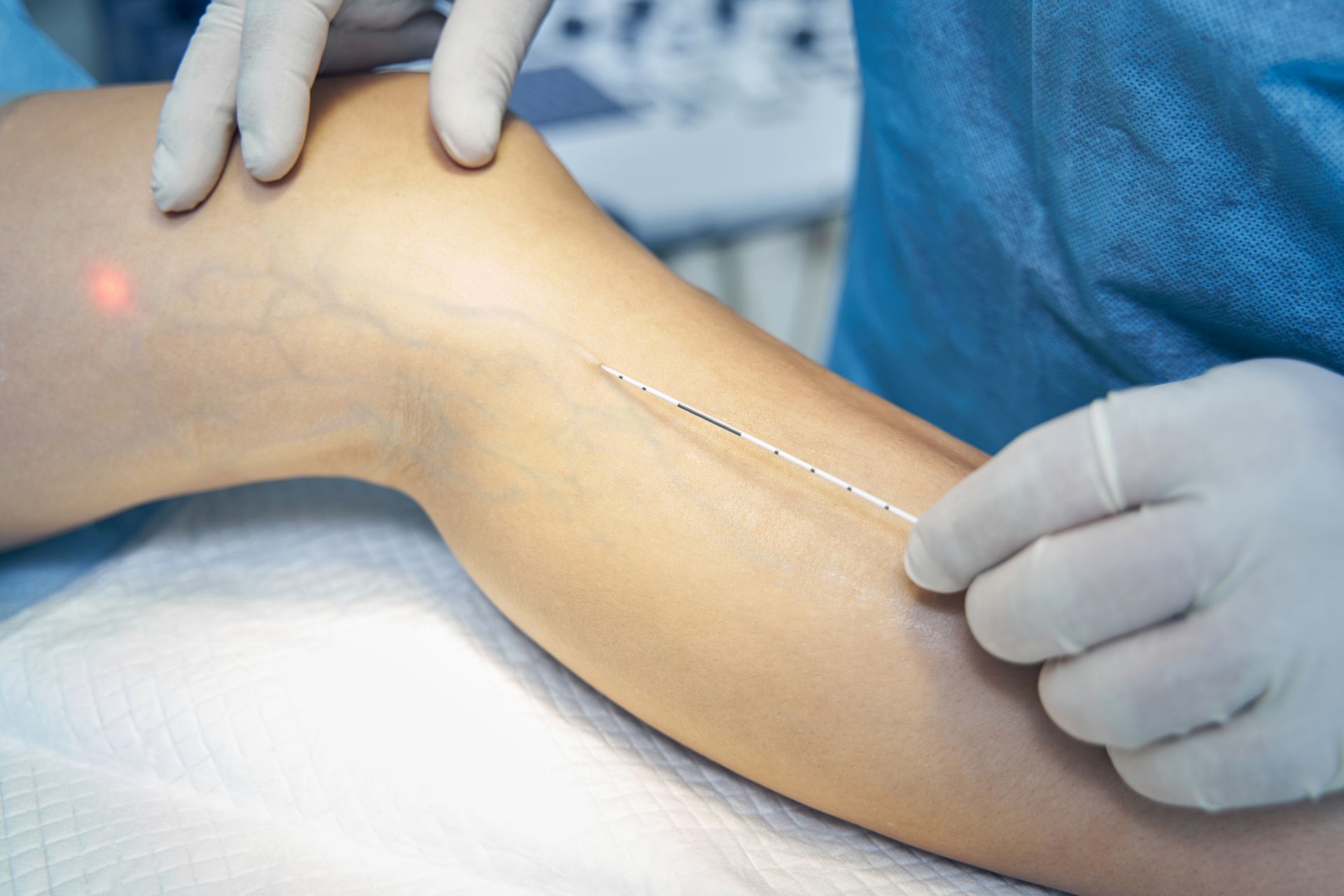
- Endovenous ablation (radiofrequency or laser)
- Sclerotherapy
- Ambulatory phlebectomy
- Medical adhesive closure
These procedures are performed in-office with local anesthesia, require minimal recovery time, and have excellent success rates. Most patients return to normal activities within a day or two.
Special Considerations for High-Risk Individuals
If you're at particularly high risk based on family history (both parents affected, multiple family members, early onset in relatives), consider these additional strategies:
Genetic Counseling
For families with extensive vein disease across multiple generations, genetic counseling might provide insights into specific inherited conditions affecting connective tissue or blood clotting.
Certain hereditary conditions like Ehlers-Danlos syndrome, Marfan syndrome, or inherited thrombophilias increase vein disease risk. Identifying these conditions has implications beyond vein health and might influence other medical decisions.
More Aggressive Screening
High-risk individuals benefit from earlier and more frequent screening. Consider:
- Baseline ultrasound in your 20s
- Follow-up ultrasounds every 3-5 years even without symptoms
- Immediate evaluation if any symptoms develop
Proactive Treatment Philosophy
Some high-risk individuals and their vascular specialists take a more aggressive treatment approach, treating mild venous insufficiency before it progresses rather than waiting for significant varicose vein development.
This philosophy recognizes that progression is likely given family history and aims to intervene early when treatment is simplest and outcomes are best.
Research and Future Directions
Understanding of genetic factors in vein disease continues evolving. Vein disease genetics research is identifying specific genes and variations that increase risk.
Future applications might include:
- Genetic testing to precisely quantify individual risk
- Personalized prevention strategies based on genetic profile
- Targeted therapies addressing specific genetic vulnerabilities
- Better prediction of treatment response based on genetic factors
While these applications aren't yet routine clinical practice, research progress suggests more personalized approaches to vein disease prevention and treatment are on the horizon.
Taking Control of Your Vein Health
If vein disease runs in your family, the worst thing you can do is nothing. Accepting problems as inevitable and waiting until they're severe before seeking help means missing opportunities for prevention and early intervention.
The best approach combines:
- Awareness of your elevated risk based on family history
- Early screening to establish baseline venous health
- Aggressive lifestyle modifications to minimize risk factors you can control
- Monitoring for early warning signs
- Prompt treatment if problems develop
Dr. Michael Sorace specializes in comprehensive vein care for families dealing with hereditary vein disease. He understands the unique challenges facing patients with strong genetic predisposition and develops personalized prevention and treatment strategies.
Don't let family history become family destiny. Take control of your vein health today.
FAQs About Genetics and Vein Disease
If my parents have varicose veins, will I definitely get them too?
Not necessarily, though your risk is significantly elevated. If one parent has vein disease, your risk is about 40-50%. With both parents affected, risk rises to approximately 90%. Aggressive prevention strategies can reduce risk even with strong family history.
At what age should I get screened if vein disease runs in my family?
Begin screening around age 25-30 if both parents had early-onset disease, or 30-35 if one parent or multiple siblings have vein problems. Earlier screening is warranted if you develop symptoms at any age.
Can genetic testing predict my vein disease risk?
While genetic variations associated with vein disease have been identified, genetic testing isn't currently standard practice for risk assessment. Family history provides more actionable information than genetic testing at this time.
Do compression stockings really prevent varicose veins?
Compression stockings don't prevent genetic predisposition, but they can slow disease progression and reduce symptoms in at-risk individuals. They're particularly beneficial during high-risk periods like pregnancy or jobs requiring prolonged standing.
If I'm genetically predisposed, is treatment less effective?
No, genetic predisposition doesn't reduce treatment effectiveness. However, people with strong family history may develop new problem veins over time even after successful treatment of existing veins. This reflects ongoing genetic influence rather than treatment failure.
Should I tell my children about our family history of vein disease?
Yes, sharing family health history empowers children to make informed decisions about screening and prevention as adults. Frame it as valuable information rather than inevitable fate.
FAQs About The Vein Institute
Does Dr. Sorace specialize in hereditary vein disease?
Dr. Michael Sorace treats all forms of venous disease, including cases with strong genetic components. He develops personalized prevention and treatment plans based on family history and individual risk factors.
What does a screening appointment involve?
Screening includes medical and family history review, physical examination, and typically venous ultrasound to assess blood flow and valve function. The appointment usually takes 45-60 minutes.
Where are you located?
We have convenient locations in San Antonio at 14530 NW Military Hwy, Suite 100 (210-236-9372) and Boerne at 745 West San Antonio Ave, Suite 100 (830-331-9900).
Is screening covered by insurance?
Insurance coverage varies. Many plans cover venous ultrasound when symptoms are present or family history indicates elevated risk. Our team can verify your specific benefits.
What if my ultrasound shows early venous insufficiency?
Dr. Sorace will discuss findings and recommend appropriate management—which might include lifestyle modifications, compression therapy, monitoring, or early treatment depending on severity.
Can I bring family members to appointments?
Absolutely. We encourage family members to attend consultations, especially when discussing hereditary patterns and prevention strategies that might benefit multiple family members.
Don't let family history dictate your future. Contact The Vein Institute today to schedule a comprehensive evaluation with Dr. Michael Sorace. Call our San Antonio office at (210) 236-9372 or our Boerne location at (830) 331-9900, or visit www.theveindr.com to learn more about screening and prevention strategies for hereditary vein disease.
Disclaimer: The information provided on this blog is for general informational purposes only and is not intended as, and should not be considered, medical advice. All information, content, and material available on this blog are for general informational purposes only. Readers are advised to consult with a qualified healthcare professional for medical advice, diagnosis, or treatment. The author and the blog disclaim any liability for the decisions you make based on the information provided. Always seek the advice of your physician or other qualified health provider with any questions you may have regarding a medical condition.