How Long Does It Take Blood Flow to Improve After Ablation?
Key Points
- Most patients notice improved blood flow within 24-48 hours after ablation
- Significant symptom relief typically occurs within 1-2 weeks
- Full circulation improvement continues for 3-6 months as your body adjusts
- Walking immediately after the procedure helps boost blood flow and speeds recovery
- Wearing compression stockings as directed maximizes circulation benefits
- Individual healing timelines vary based on the severity of vein disease and overall health
- Follow-up appointments ensure your veins are healing properly and blood flow is improving
If you're scheduled for endovenous vein ablation or just had the procedure done, you're probably wondering when you'll actually feel the difference. When will that heavy, achy feeling in your legs finally go away? How long before your circulation gets back to normal?
The good news is that most people start noticing improvements pretty quickly after ablation. But the complete story of how your blood flow improves is a little more nuanced than a simple timeline. Let's break down what happens to your circulation after ablation and what you can realistically expect during your recovery.
Understanding What Happens During Ablation
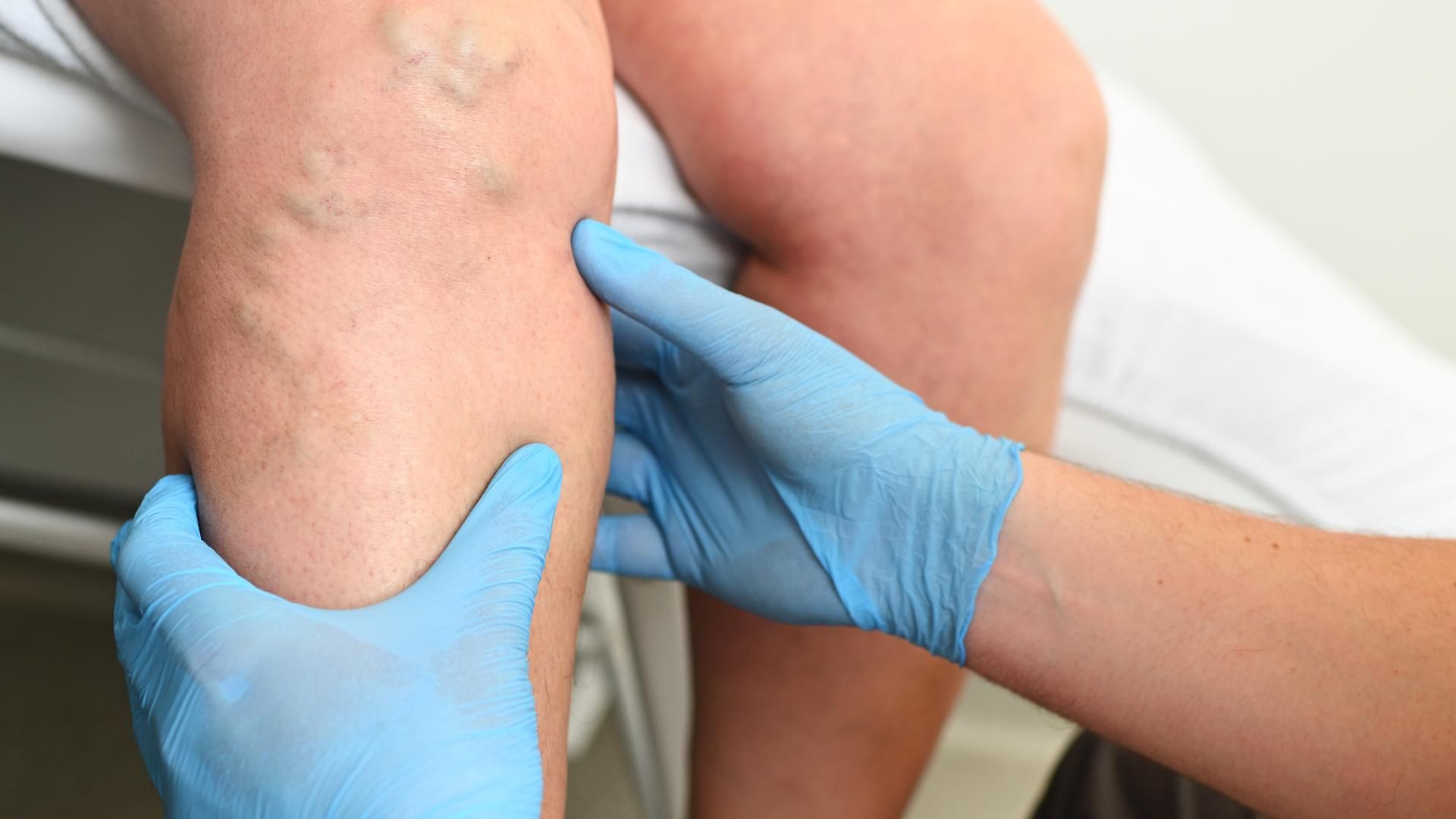
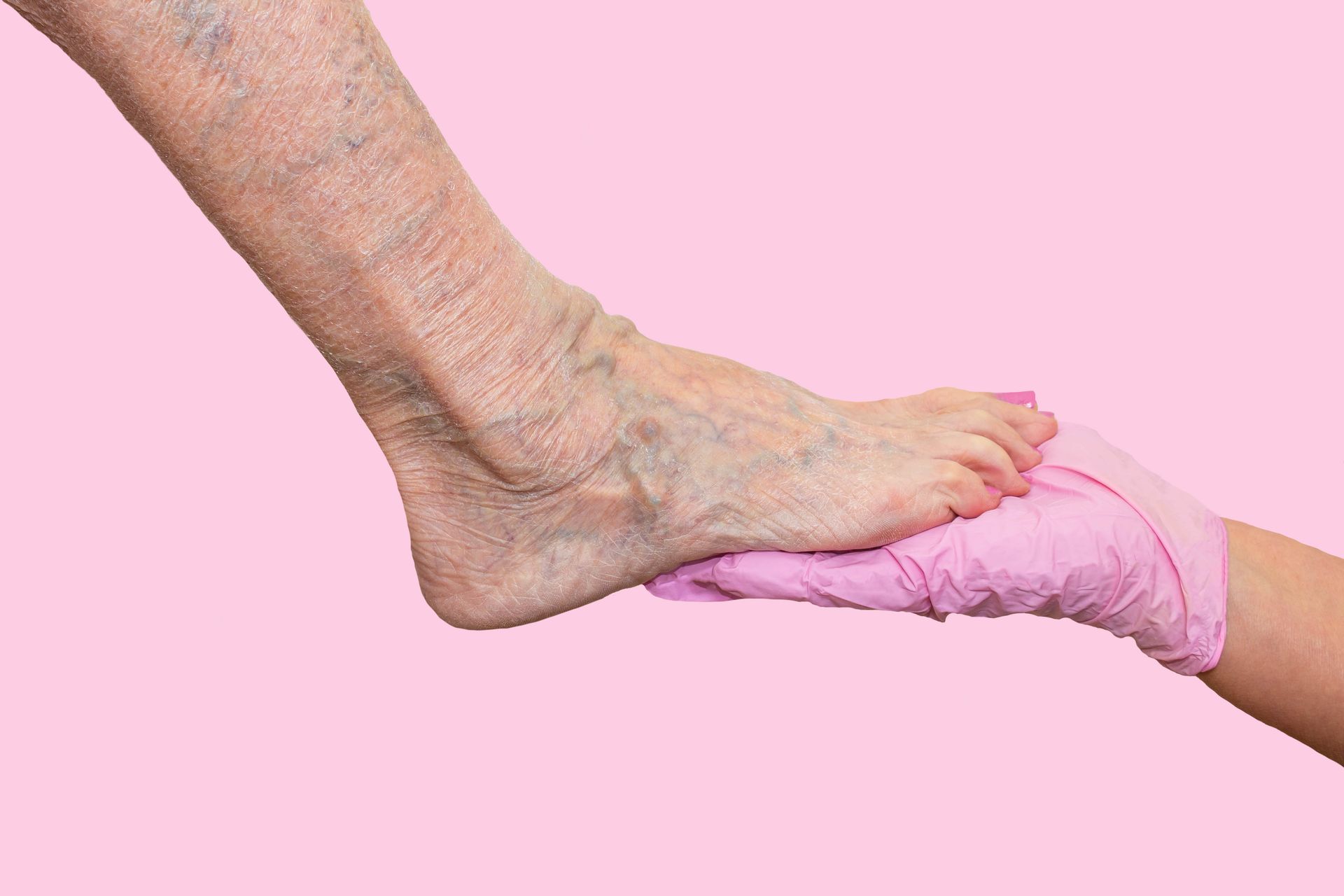
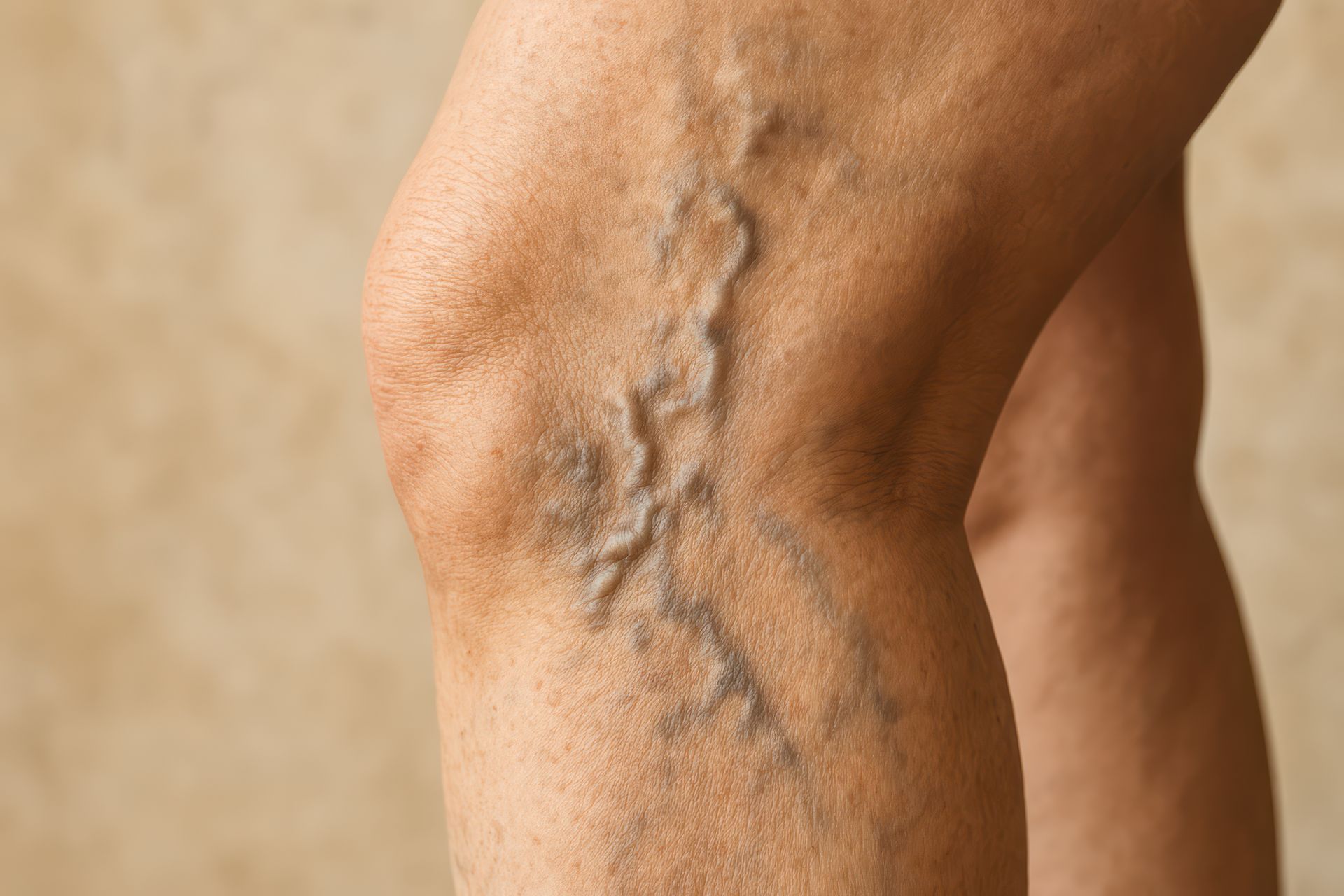
Before we dive into recovery timelines, it helps to understand what actually happens during the ablation procedure. When you have varicose veins or venous insufficiency, certain veins in your legs aren't working properly. The valves inside these veins have failed, allowing blood to flow backward and pool in your lower legs instead of returning efficiently to your heart.
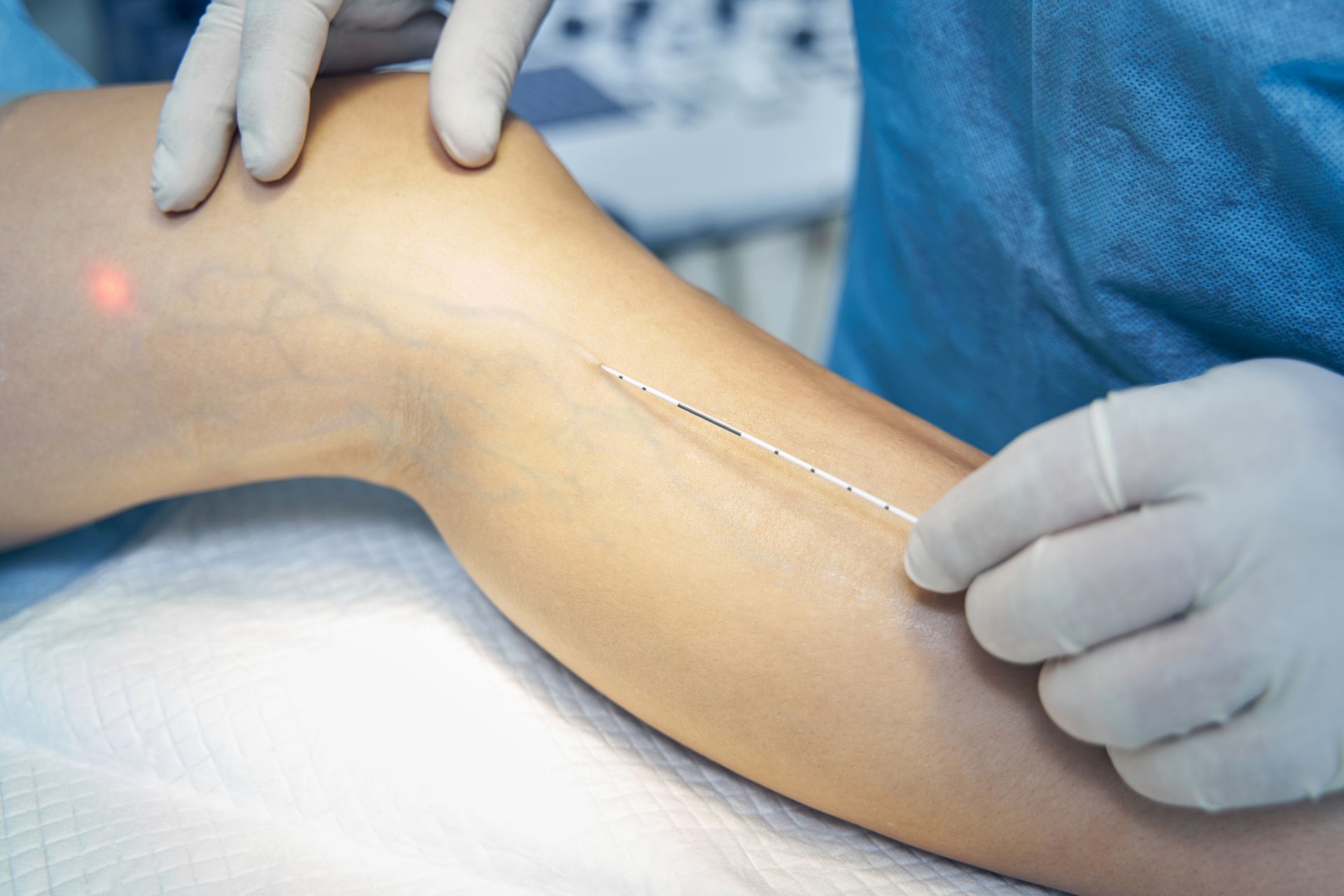
During ablation, Dr. Michael Sorace uses heat energy (radiofrequency or laser) to seal shut the damaged vein. Once the problematic vein is closed, your blood automatically reroutes through healthier veins nearby. Your body is actually pretty amazing at finding alternative pathways for blood flow, and you have plenty of other veins ready to take over the job.
The First 24-48 Hours: Immediate Changes Begin
Here's something that surprises a lot of people: your blood flow starts improving almost immediately after the ablation procedure. As soon as that faulty vein is sealed shut, your blood begins finding better routes back to your heart through healthy veins.
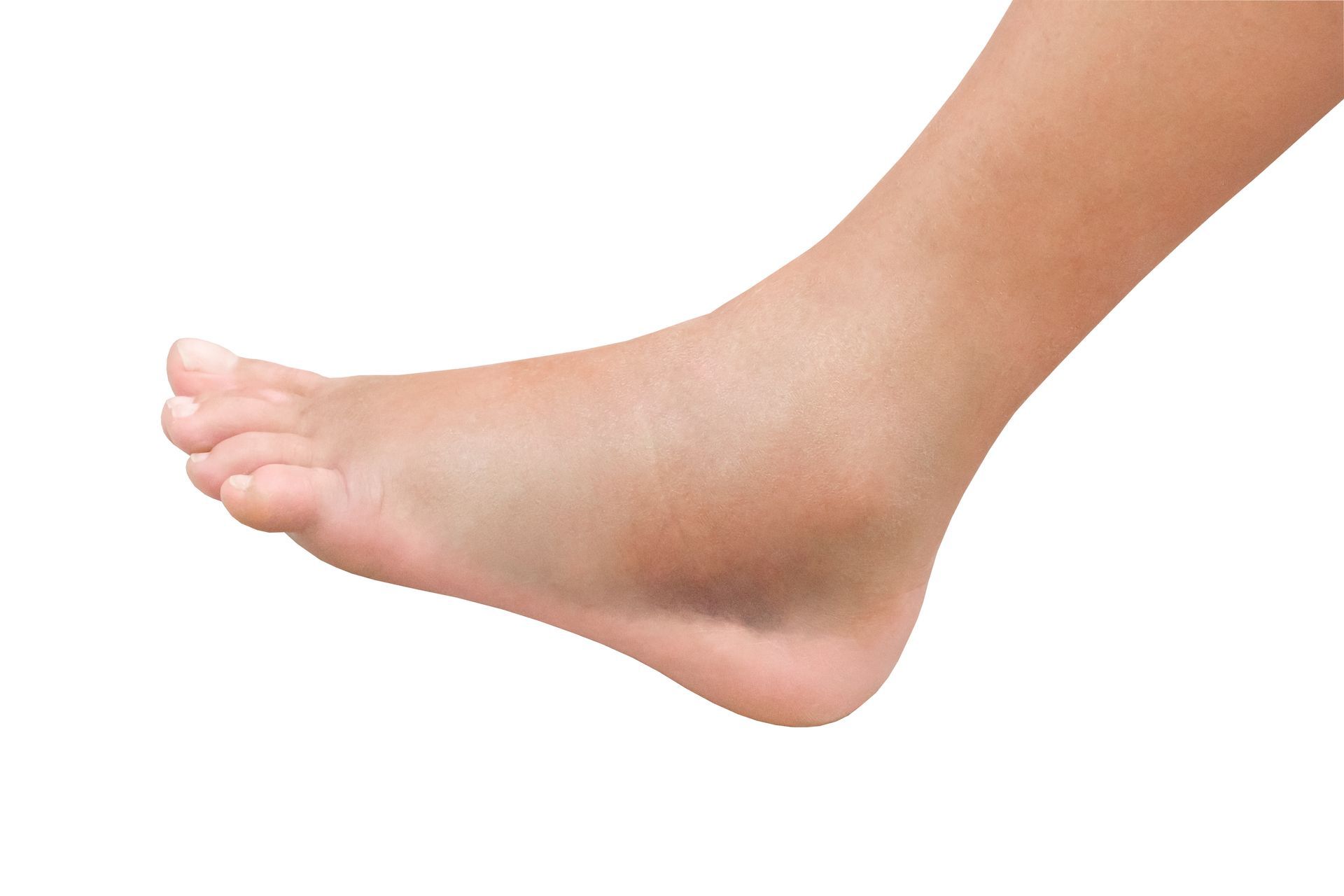
During those first couple of days, you might not feel dramatically different yet. In fact, you might experience some temporary discomfort, mild swelling, or bruising around the treatment area. This is totally normal and doesn't mean the procedure isn't working. Your body is simply responding to the treatment and beginning its healing process.
What you should be doing during this time:
- Walking for 10-15 minutes every few hours (yes, really, walking helps!)
- Wearing your compression stockings as directed
- Staying hydrated to keep your blood flowing smoothly
- Avoiding strenuous exercise or heavy lifting
- Elevating your legs when resting
These simple actions during the first 48 hours can significantly impact how quickly your circulation improves.
Week 1-2: Noticeable Symptom Relief
his is when most patients start thinking, "Hey, my legs actually feel better!" Within the first one to two weeks after ablation, you'll likely notice some real improvements in how your legs feel and function.
Common improvements during this period include:
- Less heaviness and fatigue in your legs, especially at the end of the day
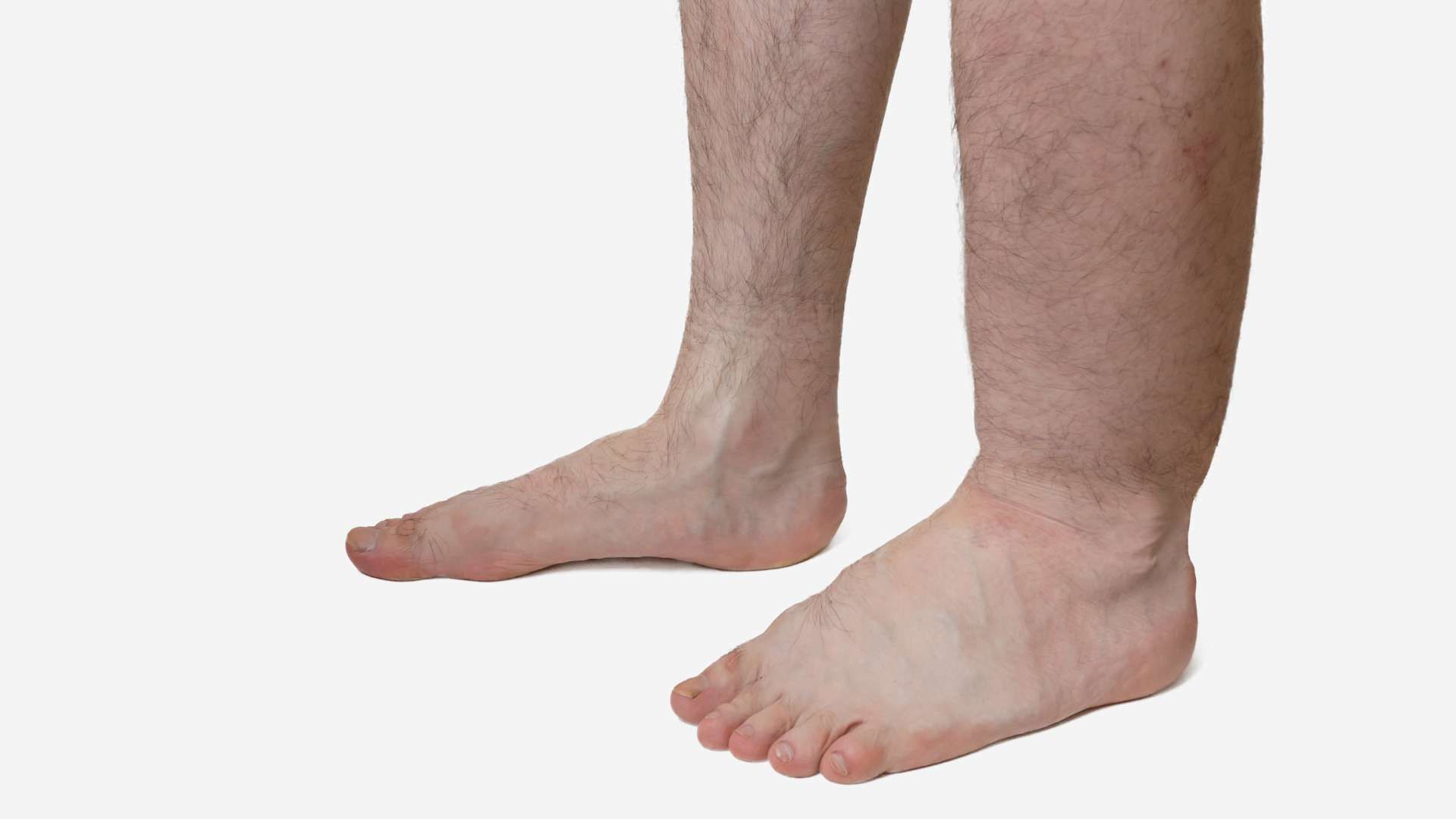
- Reduced swelling and puffiness around your ankles
- Decreased achiness and discomfort
- Better ability to stand or walk for longer periods
- Improved sleep because your legs aren't keeping you awake
Your treated vein is now completely closed, and your circulatory system has adapted to using healthier pathways. The blood that used to pool in that damaged vein is now flowing properly through functional veins. This is why you start feeling relief from those uncomfortable symptoms that brought you to The Vein Institute in the first place.
Weeks 2-4: Continued Improvement
By the two to four week mark, most of the initial post-procedure side effects have resolved. Any bruising has faded, swelling has gone down, and you're back to most of your normal activities. Your circulation continues to improve as your body fully adapts to its new, more efficient vein network.
During this phase, you might notice:
- Increased energy and stamina throughout the day
- Less need to elevate your legs for relief
- Better tolerance for activities that used to make your legs tired
- Visible reduction in swelling and discoloration
You'll probably have a follow-up appointment with Dr. Sorace around this time. He'll use ultrasound to check that the treated vein is properly sealed and that blood is flowing well through your healthy veins. This is also a great opportunity to ask any questions about your recovery and get personalized advice for the next phase of healing.
Months 2-3: Your Body's Fine-Tuning Phase
While you're likely feeling much better by now, your circulation is still improving behind the scenes. Over the next couple of months, your body continues optimizing blood flow patterns and strengthening the healthy veins that have taken over circulation duties.
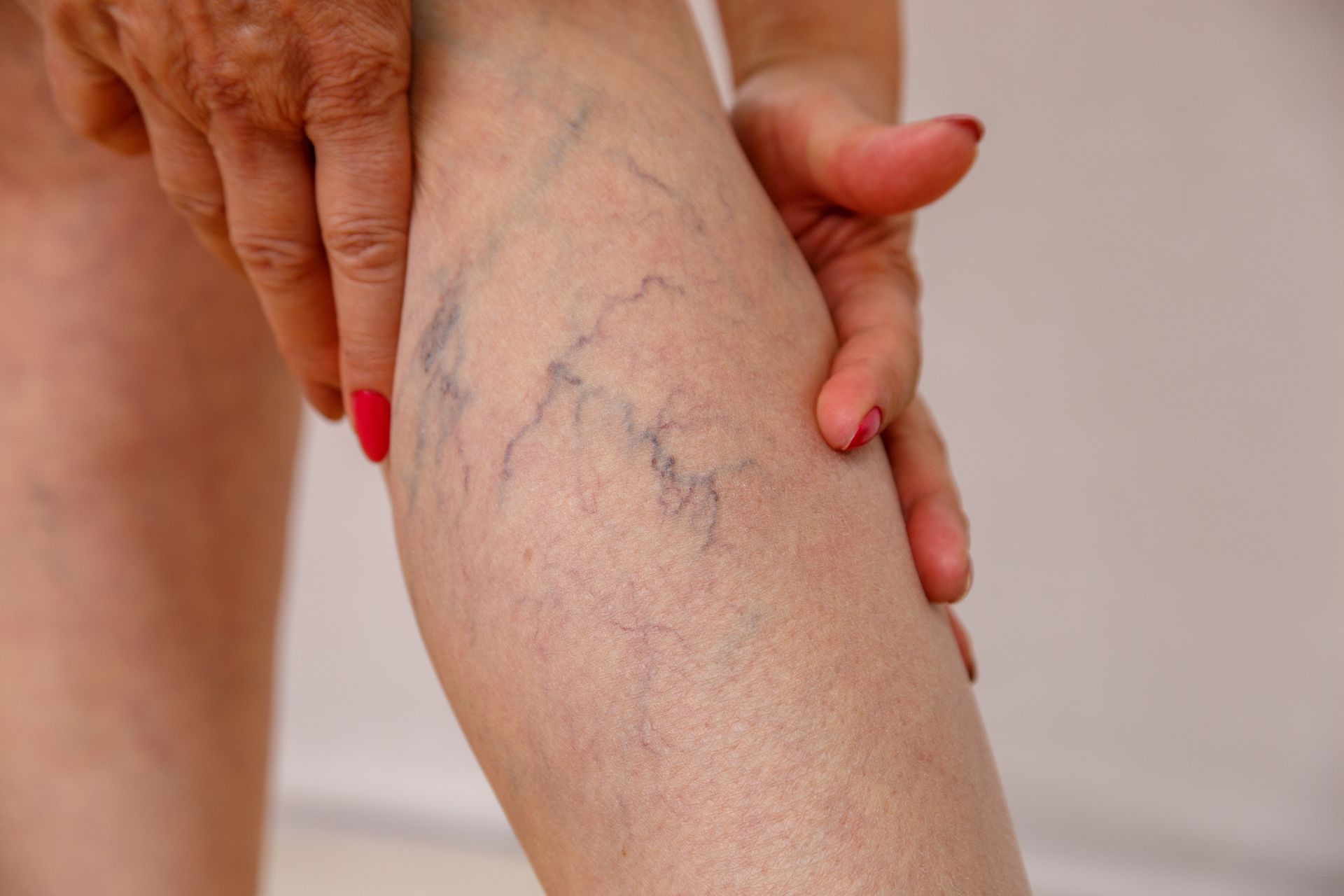
This is also when you'll see more dramatic cosmetic improvements. The visible bulging veins that bothered you before treatment will continue to shrink and fade. Some smaller spider veins connected to the treated vein may also improve on their own, though stubborn spider veins might need additional treatment with sclerotherapy.
Your improved circulation means:
- Better oxygen and nutrient delivery to your leg tissues
- More efficient waste removal from your lower extremities
- Reduced risk of skin changes or complications from poor circulation
- Overall healthier legs that feel and look better
Months 3-6: Maximum Benefit Achieved
By three to six months post-ablation, you've reached the point of maximum improvement in blood flow. Your circulatory system has fully adapted to the changes, and you're experiencing the full benefits of the procedure.
At this stage, most patients report:
- Complete or near-complete resolution of leg heaviness and fatigue
- Significant reduction or elimination of swelling
- No more nighttime leg cramps or restlessness
- Better overall leg health and appearance
- Improved quality of life and ability to enjoy activities
Your final follow-up appointment will typically happen around the six-month mark. Dr. Sorace will perform another ultrasound to confirm that everything looks good and that your circulation has improved as expected.
Factors That Affect Your Recovery Timeline
While the timeline above represents what most patients experience, everyone's healing journey is a little different. Several factors can influence how quickly your blood flow improves after ablation:
Severity of your vein disease: If you had extensive varicose veins or severe venous insufficiency, it might take a bit longer to feel maximum improvement compared to someone with milder vein problems.
Your overall health: Conditions like diabetes, obesity, or heart disease can slow healing and circulation improvement. On the flip side, being in good overall health typically means faster recovery.
How well you follow post-procedure instructions: Patients who diligently wear compression stockings, walk regularly, and follow all recovery guidelines tend to see faster improvements in circulation.
Whether you have other vein issues: If you have multiple problem veins that need treatment, you might not experience full circulation improvement until all necessary treatments are complete.
Your age: Younger patients often heal faster, but older adults still see excellent results. It just might take a few extra weeks.
Lifestyle factors: Smoking, poor diet, and lack of exercise can all slow down circulation improvement. Making healthy lifestyle choices supports faster healing.
What You Can Do to Speed Up Circulation Improvement
You're not just a passive participant in your recovery. There are several things you can do to help your blood flow improve as quickly as possible after ablation:
Keep moving: Walking is your best friend after ablation. It activates your calf muscle pump, which helps push blood back up to your heart. Aim for several short walks throughout the day rather than one long session.
Wear your compression stockings: These aren't just a suggestion. Compression stockings provide graduated pressure that helps prevent blood from pooling and encourages proper flow through your healthy veins. Wear them exactly as Dr. Sorace recommends.
Stay hydrated: Drinking plenty of water keeps your blood at the right consistency for optimal flow. Dehydration makes your blood thicker and harder to pump through your veins.
Elevate your legs regularly: Especially during the first few weeks, elevating your legs above heart level for 15-20 minutes a few times a day helps reduce swelling and improves circulation.
Avoid prolonged sitting or standing: Mix up your positions throughout the day. If your job requires lots of sitting or standing, take regular breaks to move around and change positions.
Eat a healthy diet: Foods rich in antioxidants, omega-3 fatty acids, and fiber support healing and healthy circulation. Limit sodium, which can cause water retention and swelling.
Follow all activity restrictions: There's a reason Dr. Sorace gives you specific guidelines about exercise and physical activity. Following these instructions prevents complications and supports optimal healing.
Signs Your Circulation Is Improving
How do you know if your blood flow is actually getting better? Here are some positive signs that your circulation is improving after ablation:
- Your legs feel lighter and less tired throughout the day
- Swelling in your ankles and feet is decreasing
- You can stand or walk longer without discomfort
- The tight, heavy sensation in your calves is gone or greatly reduced
- Your skin looks healthier and less discolored
- You're sleeping better because leg discomfort isn't waking you up
- You have more energy for activities you enjoy
- Visible varicose veins are shrinking and becoming less prominent
If you're experiencing these improvements, congratulations! Your circulation is healing nicely, and the ablation procedure is doing exactly what it's supposed to do.
When to Contact Your Doctor
While most people have smooth recoveries with steadily improving circulation, sometimes issues arise that need medical attention.
Contact The Vein Institute if you experience:
- Increasing pain, redness, or warmth in your leg
- New or worsening swelling that doesn't improve with elevation
- Signs of infection like fever or drainage from the treatment site
- Sudden shortness of breath or chest pain
- A hard, tender cord along the treated vein
- No improvement in symptoms after several weeks
These symptoms don't necessarily mean something is seriously wrong, but they should be evaluated by Dr. Sorace to ensure your recovery stays on track.
The Bottom Line on Circulation Improvement
So, how long does it take for blood flow to improve after ablation? The short answer is that you'll start feeling better within days, notice significant improvement within weeks, and achieve maximum circulation benefits within 3-6 months.
But here's what really matters: ablation works. The vast majority of patients experience substantial improvement in their circulation and relief from uncomfortable vein symptoms. The procedure has a high success rate, minimal downtime, and offers long-lasting results.
Your legs have been working hard against faulty veins for months or maybe even years. Give them the time they need to heal and adjust to their new, more efficient circulation pattern. Be patient with the process, follow your post-procedure instructions, and stay in touch with your vein specialist about your progress.
Ready to Improve Your Circulation?
If you're dealing with poor circulation, heavy legs, or visible varicose veins, ablation might be the solution you've been looking for. The team at The Vein Institute specializes in advanced vein treatments that get you back to feeling your best.
FAQs About Blood Flow Improvement After Ablation
Will I feel the blood rerouting to new veins after ablation?
No, you won't feel the actual rerouting process. Your body has many veins capable of handling blood flow, and the transition happens automatically and painlessly. What you will feel is the relief from symptoms as your circulation improves through healthier veins.
Can I exercise after vein ablation?
Light walking is encouraged immediately after the procedure and actually helps improve circulation. However, you should avoid strenuous exercise, heavy lifting, and high-impact activities for about 1-2 weeks. Dr. Sorace will give you specific guidelines based on your individual case and gradually clear you for more intense exercise as you heal.
How long do I need to wear compression stockings after ablation?
Most patients wear compression stockings for 1-2 weeks after the procedure, though some may need them longer depending on the extent of treatment. Wearing them as directed significantly improves circulation during the critical healing period and can speed up your recovery.
What if my symptoms don't improve after ablation?
While rare, some patients don't experience the expected improvement. This could be due to other vein problems that weren't initially apparent, incomplete treatment of the affected vein, or other circulatory issues. If you're not seeing improvement after several weeks, schedule a follow-up with Dr. Sorace for evaluation.
Can poor circulation come back after ablation?
The treated vein will not reopen after successful ablation. However, you can develop new vein problems in other veins over time, especially if you have risk factors like genetics, obesity, or jobs requiring prolonged standing. Maintaining a healthy lifestyle and managing risk factors helps prevent future circulation problems.
Is it normal to have some good days and bad days during recovery?
Yes, it's completely normal for your symptoms to fluctuate during the first few weeks of recovery. You might feel great one day and more tired or achy the next. This is part of the healing process. As long as you're seeing an overall trend of improvement, these fluctuations are nothing to worry about.
How does ablation compare to vein stripping for improving circulation?
Both procedures improve circulation by eliminating problematic veins, but ablation is less invasive and typically results in faster recovery. With ablation, most patients return to normal activities within a few days, whereas vein stripping requires longer recovery time. The end result for circulation improvement is similar, but the journey is much easier with ablation.
Will I need ablation on both legs?
Not necessarily. It depends on where your vein problems are located. Some people only have issues in one leg, while others need treatment on both sides. Dr. Sorace can treat both legs during separate sessions if needed, allowing one leg to heal before treating the other.
FAQs About The Vein Institute
What makes The Vein Institute different from other vein clinics?
The Vein Institute focuses exclusively on vein care, which means Dr. Sorace and his team have specialized expertise in treating venous conditions. We use the latest minimally invasive techniques and state-of-the-art ultrasound technology to provide precise, effective treatments with excellent outcomes and minimal downtime.
Does insurance cover vein ablation procedures?
Most insurance plans cover ablation when it's medically necessary to treat conditions like venous insufficiency or symptomatic varicose veins. Our team will verify your insurance benefits and discuss coverage details before your procedure. Cosmetic treatments for spider veins may not be covered, but we can explain all your options.
How experienced is Dr. Sorace with vein ablation?
Dr. Sorace is a board-certified vascular surgeon with extensive experience performing endovenous ablation procedures. He has helped countless patients improve their circulation and find relief from vein symptoms using the most advanced techniques available.
What technology does The Vein Institute use for ablation?
We use cutting-edge radiofrequency and laser ablation systems that provide precise, controlled treatment with minimal discomfort. Our advanced ultrasound equipment allows Dr. Sorace to visualize your veins in real-time during the procedure, ensuring accurate treatment and optimal results.
Can I get a second opinion at The Vein Institute?
Absolutely! We welcome second opinions and are happy to review previous evaluations or treatment recommendations. Dr. Sorace will provide an independent assessment of your vein condition and discuss all available treatment options with you.
Where are The Vein Institute locations?
We have two convenient locations to serve you. Our San Antonio clinic is at 14530 NW Military Hwy, Suite 100, San Antonio, TX 78231, and our Boerne office is at 745 West San Antonio Ave, Suite 100, Boerne, TX 78006. Both offices offer comprehensive vein evaluations and treatments.
How do I schedule a consultation?
Call our San Antonio office at (210) 236-9372 or our Boerne office at (830) 331-9900 to schedule your consultation. You can also visit our
contact page to request an appointment online. We'll answer your questions and help you take the first step toward better circulation and healthier legs.
Ready to experience improved circulation and relief from vein symptoms? Contact The Vein Institute today to schedule your consultation with Dr. Sorace. Call our San Antonio office at (210) 236-9372 or our Boerne office at (830) 331-9900. Visit our information for patients page to learn more about what to expect during your visit.
Disclaimer: The information provided on this blog is for general informational purposes only and is not intended as, and should not be considered, medical advice. All information, content, and material available on this blog are for general informational purposes only. Readers are advised to consult with a qualified healthcare professional for medical advice, diagnosis, or treatment. The author and the blog disclaim any liability for the decisions you make based on the information provided. Always seek the advice of your physician or other qualified health provider with any questions you may have regarding a medical condition.