Are Varicose Veins Just Cosmetic? Signs You Should Get Checked
Key Points
- Varicose veins can be either cosmetic or a sign of a medical condition
- Symptoms like pain, swelling, and leg heaviness indicate a medical problem, not just cosmetic
- Untreated varicose veins and venous insufficiency can progress to serious complications
- Early evaluation prevents symptoms from worsening and helps avoid future problems
- Insurance often covers treatment when varicose veins cause medical symptoms
- The appearance of varicose veins matters less than understanding what they mean for your health
- Getting checked is the first step toward understanding your vein health
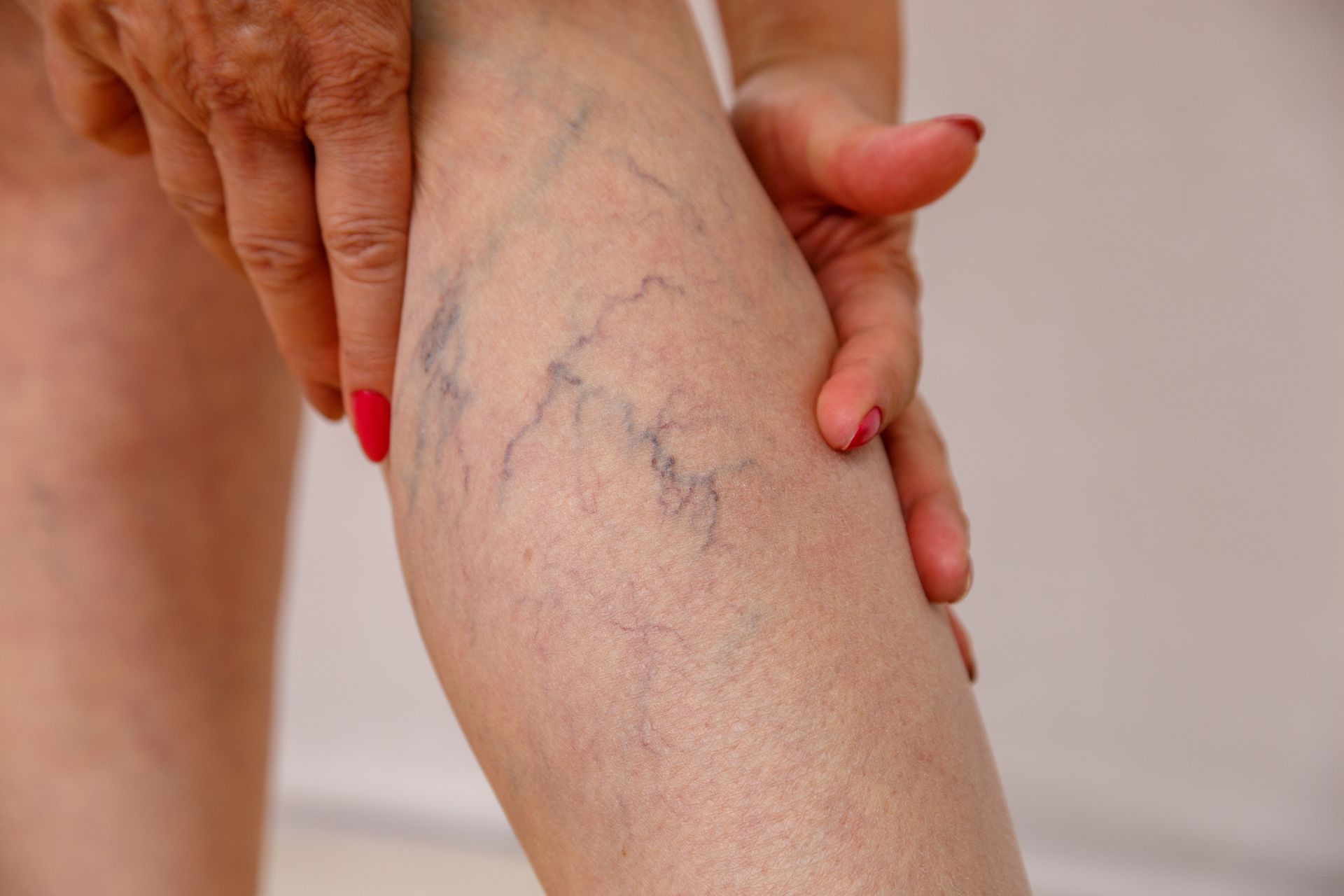
You look down at your legs and see those bulging, twisted veins. Your first thought? "They look awful, but they don't hurt, so maybe they're just a cosmetic issue." Or maybe they do hurt, but you're wondering if the discomfort is significant enough to actually do something about them.
Here's the truth: some varicose veins are purely cosmetic, but many are not. And the difference between the two is critically important for your health.
Why Varicose Veins Seem "Just Cosmetic"
It's easy to see why people think varicose veins are just a vanity issue.
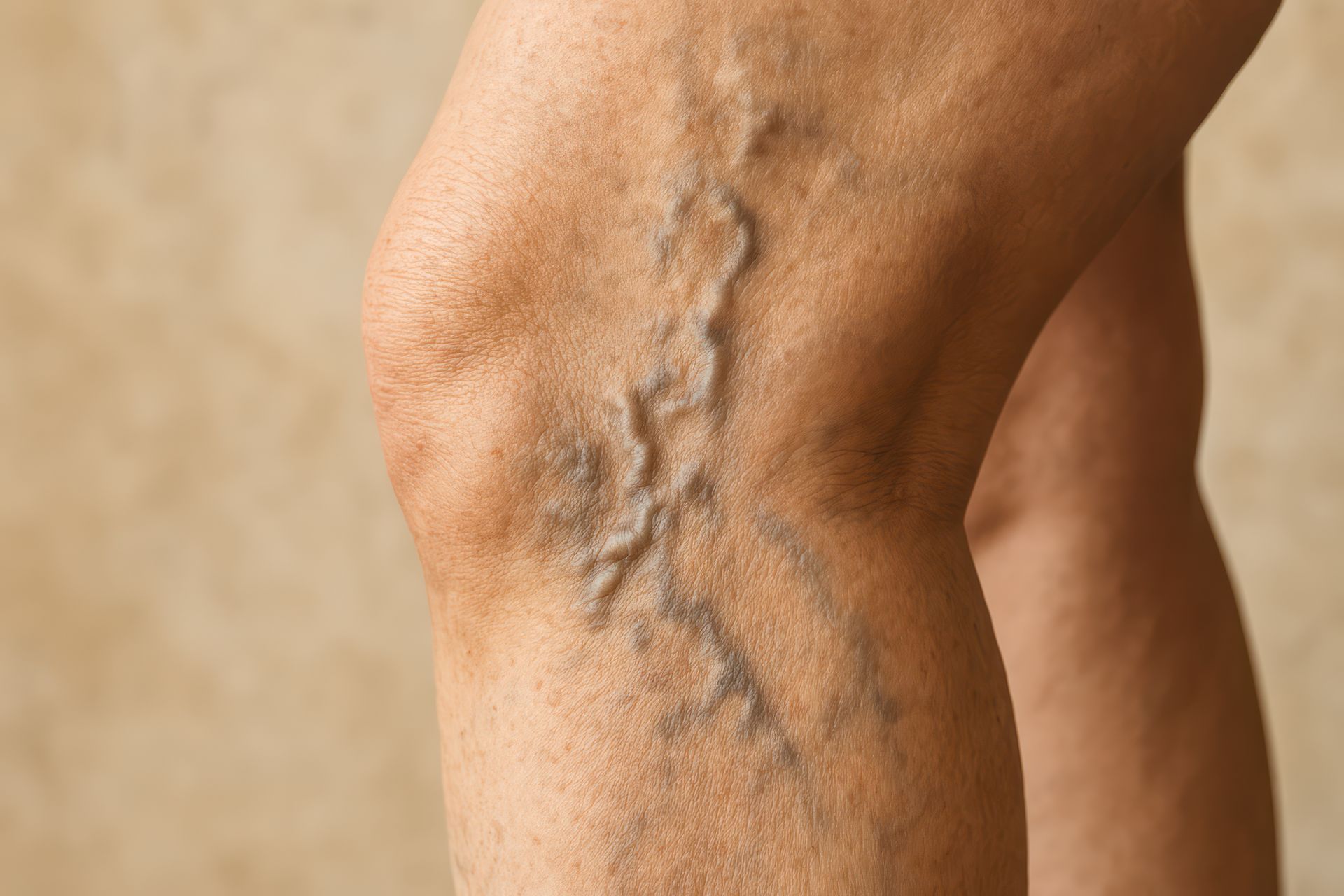
The most obvious thing about varicose veins is how they look. They're visible, they're bulging, they're not attractive, and they might make you self-conscious about wearing shorts, skirts, or swimsuits. When the primary complaint is "I don't like how they look," it's natural to categorize them as cosmetic.
Some people with varicose veins truly don't experience any physical symptoms. Their veins look bad, but they don't cause pain or discomfort. This reinforces the idea that varicose veins are purely a cosmetic problem. If they don't hurt, what's the big deal, right?
Additionally, if you've googled varicose veins, you've probably found articles describing them as a cosmetic concern that some people choose to treat and others ignore. This messaging normalizes the idea that varicose veins aren't really a health issue.
All of this creates a mental framework where varicose veins equal vanity, not health.
But Are They Really Just Cosmetic?
Not necessarily, and this is where the misconception becomes problematic.
Varicose veins are a visual sign of venous insufficiency, a condition where your veins aren't moving blood efficiently back to your heart. When you have varicose veins, your circulation isn't working properly, even if you don't feel obvious symptoms.
This is a critical distinction. Varicose veins aren't just about appearance. They're an indicator that something is wrong with how your veins function.
Yes, some people with varicose veins have no symptoms. Their circulation problem exists, but it's not causing noticeable discomfort. For these people, treatment is truly optional and cosmetic.
But many other people with varicose veins do have symptoms they might be minimizing or attributing to something else. And if you have symptoms, your varicose veins are a medical issue, not just a cosmetic one.
Signs Your Varicose Veins Need Medical Attention
How do you know if your varicose veins are "just cosmetic" or a sign of a medical problem? Look for these signs:
You Have Pain or Discomfort
If your varicose veins hurt, ache, throb, or cause any physical discomfort, that's a medical symptom. Pain is your body telling you something isn't working right. This is not a cosmetic issue. This is your veins signaling that they need help.
Common pain patterns include:
- Constant, dull aching in your legs
- Sharp, throbbing sensations in or around the veins
- Burning or itching sensations
- Pain that gets worse as the day goes on
You're Experiencing Leg Heaviness and Fatigue
That heavy, tired feeling in your legs, especially if it worsens throughout the day and improves when you elevate your legs, is a classic sign of venous insufficiency. This is not cosmetic. This is a symptom that your circulation needs attention.
You Have Swelling in Your Ankles or Lower Legs
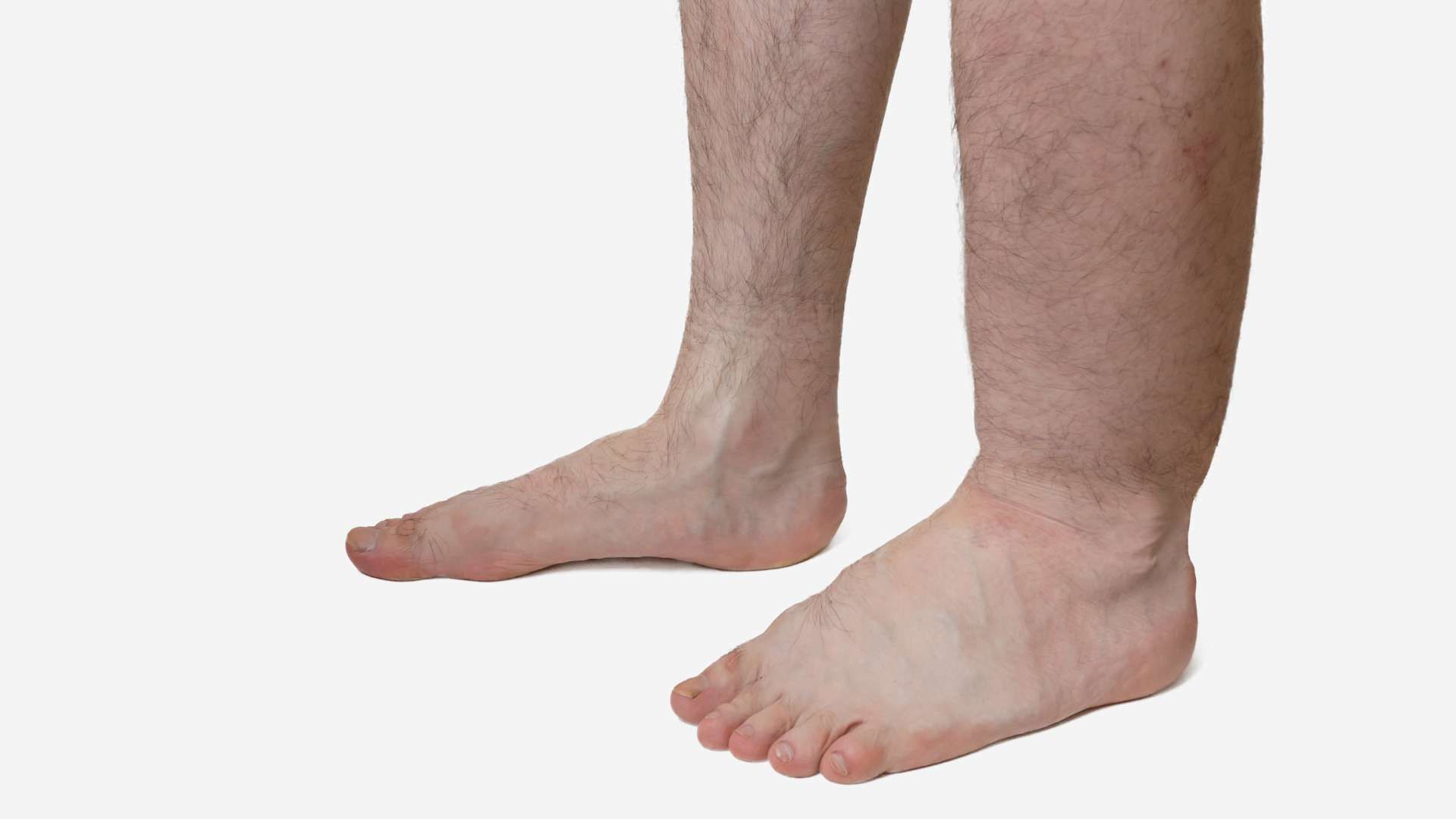
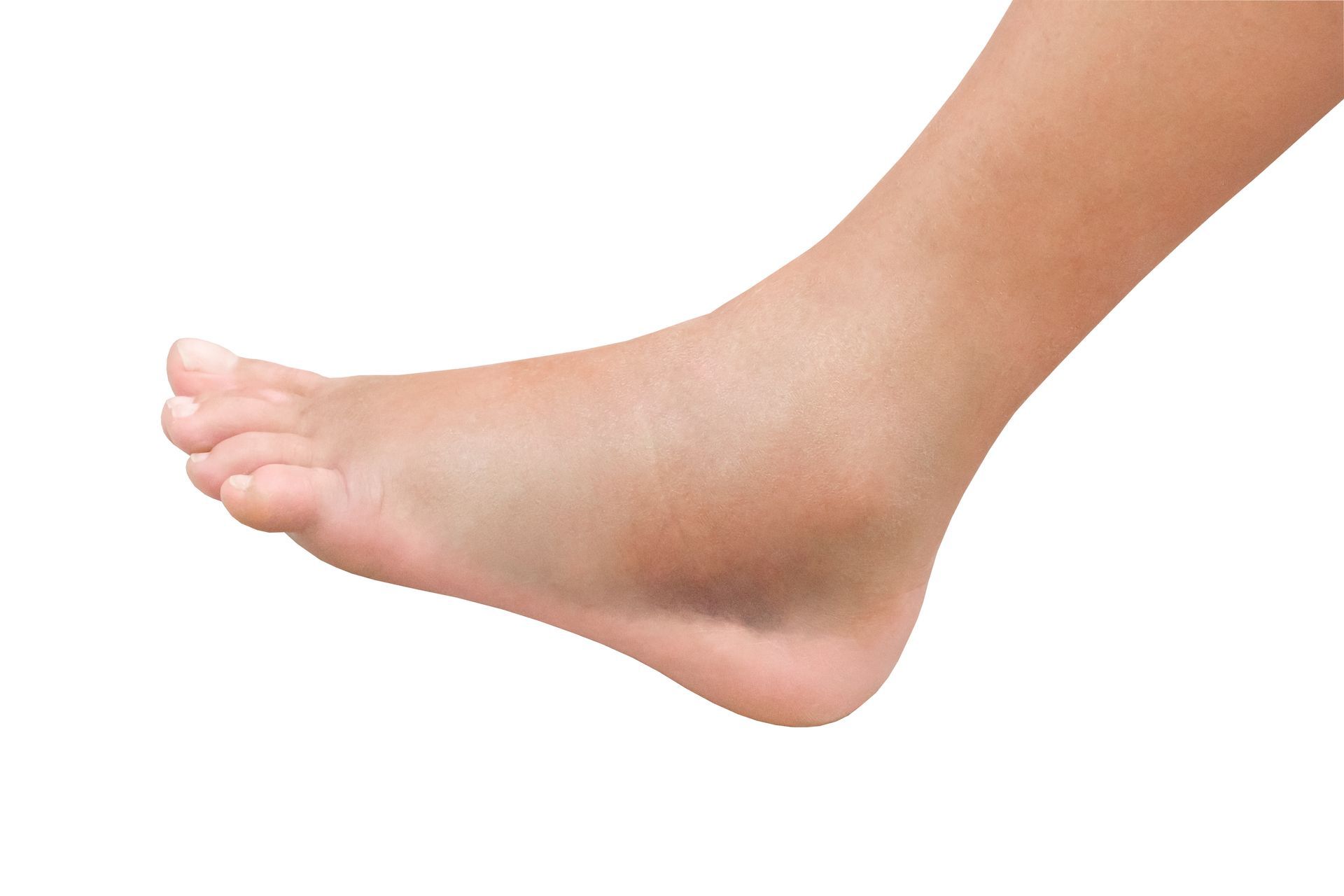
Swelling that develops throughout the day and improves with elevation is a medical symptom of venous insufficiency. If your ankles and feet swell, your socks leave marks, or your shoes feel tight by evening, your veins are causing a problem that goes beyond appearance.
Your Skin Is Changing
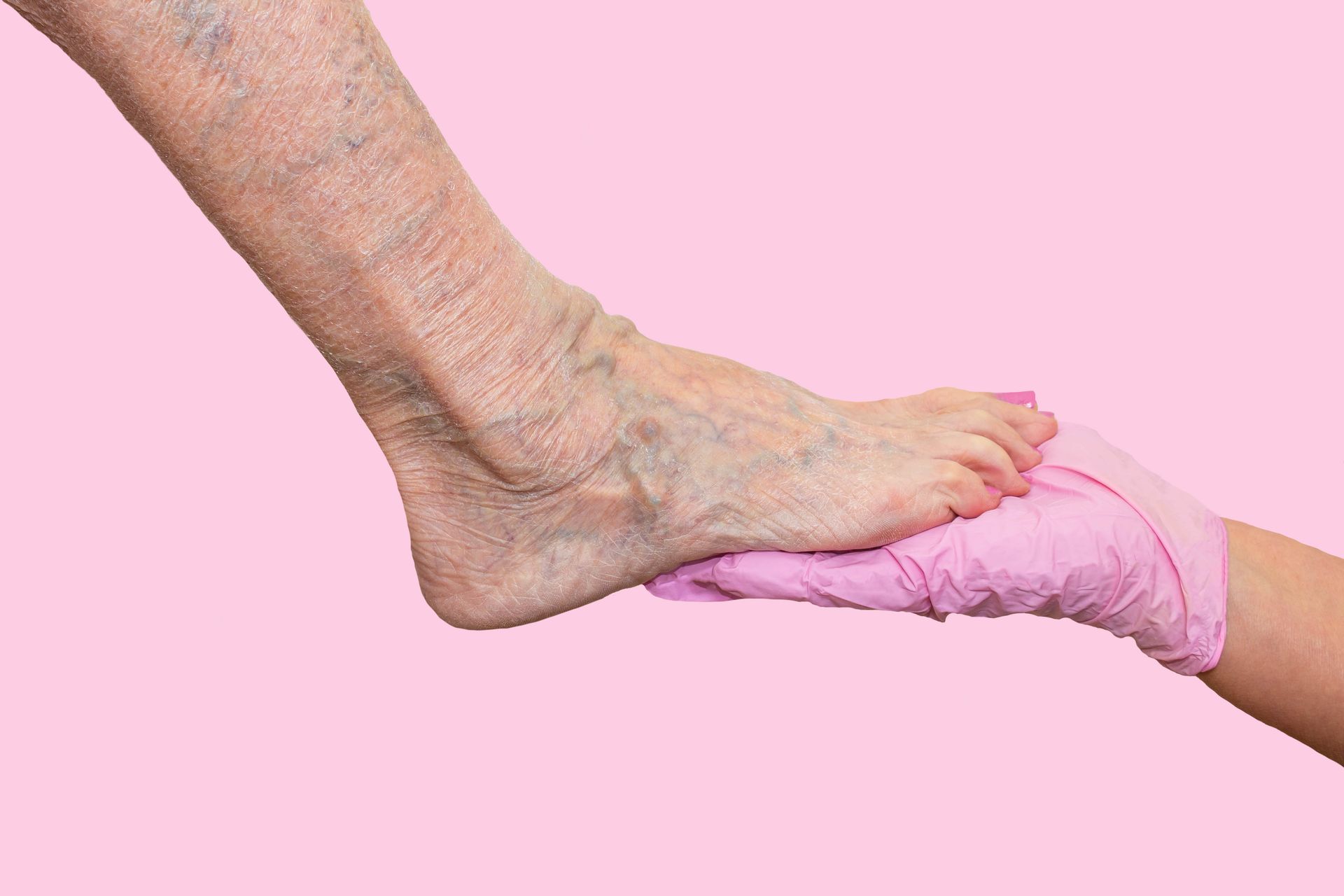
If you notice discoloration (usually brown or reddish patches), thickening, or a shiny or tight appearance of your skin, especially around your ankles, this indicates that your venous insufficiency has progressed. Skin changes are a sign that chronic blood pooling is affecting your tissue health. This is definitely a medical concern.
You Have Nighttime Symptoms
If your varicose veins are associated with nighttime leg cramping, restless legs, or discomfort that disrupts sleep, these are medical symptoms. Healthy veins don't cause sleep problems.
You're Experiencing Lifestyle Limitations
If your varicose veins are limiting what you can do, that's a reason to get help. Whether the limitation is from pain, swelling, self-consciousness, or a combination, your quality of life is being affected. That matters.
The Veins Are Getting Worse
If your varicose veins are becoming more visible, more numerous, or more bothersome, that's a sign the underlying venous insufficiency is progressing. Early intervention prevents worsening.
What Happens If You Ignore Varicose Veins
This is important: varicose veins and the underlying venous insufficiency don't stay the same. They get worse over time if left untreated.
Early stage: Visible veins, maybe some mild symptoms, occasional swelling or heaviness.
Progressive stage: Increasing symptoms, more visible veins, chronic swelling that doesn't resolve overnight, skin changes beginning.
Advanced stage: Significant pain and swelling, skin discoloration and thickening, risk of complications like venous ulcers or blood clots.
The later you wait to address varicose veins, the more complicated treatment becomes and the greater the risk of permanent damage to your skin and tissues.
Additionally, untreated venous insufficiency can lead to serious complications:
Venous ulcers: Open sores that won't heal, usually around the ankles. These are painful, can become infected, and are much harder to treat than if you'd addressed the underlying vein problem earlier.
Blood clots: Though rare, untreated severe venous insufficiency increases the risk of deep vein thrombosis (DVT), a potentially life-threatening blood clot.
Permanent skin damage: Chronic blood pooling can cause permanent changes to your skin texture, color, and integrity.
Permanent vein damage: The longer varicose veins exist, the more structural damage occurs to the affected veins.
The good news? All of these complications are preventable with early treatment.
The Difference Between Cosmetic and Medical Treatment
Here's where understanding the distinction matters practically.
Cosmetic treatment means you're choosing to have the varicose veins removed or treated because you don't like how they look. It's optional, you're paying out of pocket, and insurance won't cover it. You're doing it for your self-confidence and appearance.
Medical treatment means you're addressing varicose veins and venous insufficiency because they're causing health problems. You have symptoms, the condition is progressive, or you're at risk of complications. Insurance often covers medically necessary treatment, and treatment is advisable for your health, not optional.
Many people have both reasons. They want treatment because the veins hurt AND because they don't like how they look. That's perfectly valid.
The key is that if you have symptoms or progressive vein disease, you shouldn't dismiss it as "just cosmetic" and avoid treatment. You should see a specialist and understand what's happening with your veins.
How to Know If You Should Get Checked
You should see a vein specialist if:
- You have visible varicose veins and any associated symptoms
- Your legs feel heavy, tired, or achy
- You're experiencing swelling in your ankles or lower legs
- You have nighttime leg cramps or restless legs
- Your varicose veins are worsening
- You've noticed skin changes
- You want to understand whether your veins are a cosmetic or medical issue
Getting an evaluation doesn't commit you to treatment. It gives you information. You'll learn exactly what's happening with your veins, whether you have venous insufficiency, what the risks are, and what your options are. Armed with that information, you can make an informed decision about whether treatment is right for you.
Many people are relieved to learn that their symptoms are caused by treatable vein problems and not something worse. Others are surprised to discover that their "just cosmetic" varicose veins actually indicate a medical problem they should address.
Dr. Michael Sorace can perform a simple, painless ultrasound to evaluate your veins and explain exactly what you're dealing with. There's no obligation to proceed with treatment. The evaluation itself is incredibly valuable for understanding your health.
The Bottom Line
Varicose veins might look like a cosmetic issue, but they're often much more. The appearance is just the visible sign of an underlying circulation problem.
If your varicose veins come with symptoms, progression, or concerns about your health, they're a medical issue deserving professional attention. Don't minimize them or assume you have to just live with them.
And if you have purely cosmetic varicose veins with no symptoms or health concerns, that's valid too. Treatment is your choice. But getting evaluated helps you understand which category you're actually in.
For a comprehensive overview of vein problems and how they develop, check out our guide to understanding venous insufficiency, varicose veins, and spider veins.
FAQs About Varicose Veins
Are varicose veins hereditary?
Yes, genetics significantly influences vein health. If your parents had varicose veins, you're more likely to develop them. Knowing your family history is helpful for prevention and early detection.
Can I prevent varicose veins from getting worse?
Lifestyle measures like regular exercise, maintaining a healthy weight, avoiding prolonged standing or sitting, wearing compression stockings, and elevating your legs can slow progression. However, these measures manage symptoms rather than cure the underlying problem.
Will my varicose veins come back after treatment?
Successfully treated veins won't reopen. However, you might develop new varicose veins in other veins if you have ongoing risk factors. Maintaining a healthy lifestyle helps prevent new problems.
Is it too late to treat varicose veins if I've had them for years?
No, it's never too late. Treatment works well even for long-standing varicose veins. In fact, the sooner you treat them, the better the outcome and the lower the risk of complications.
Can pregnancy cause varicose veins?
Yes, pregnancy commonly triggers varicose veins due to hormonal changes and increased pressure on leg veins. Some pregnancy-related varicose veins improve after delivery, but others become permanent.
FAQs About The Vein Institute
How do I schedule a vein evaluation?
Call our San Antonio office at (210) 236-9372 or our Boerne office at (830) 331-9900. You can also visit our contact page to request an appointment online.
What should I expect during my evaluation?
Dr. Sorace will discuss your symptoms, perform a physical examination, and typically perform a painless venous ultrasound to assess your vein function. Plan for about an hour. The ultrasound shows exactly where problems exist and helps guide treatment recommendations.
Will my insurance cover varicose vein treatment?
Most insurance plans cover treatment when varicose veins cause medical symptoms like pain, swelling, or skin changes. Purely cosmetic treatment may not be covered. Our team will verify your benefits before any treatment.
Where are The Vein Institute locations?
We have two convenient Texas locations. Our San Antonio clinic is at 14530 NW Military Hwy, Suite 100, San Antonio, TX 78231. Our Boerne office is at 745 West San Antonio Ave, Suite 100, Boerne, TX 78006.
Ready to find out if your varicose veins are "just cosmetic" or a medical issue? Contact The Vein Institute today.
San Antonio Office: 14530 NW Military Hwy, Suite 100, San Antonio, TX 78231 | (210) 236-9372
Boerne Office: 745 West San Antonio Ave, Suite 100, Boerne, TX 78006 | (830) 331-9900
Don't assume your varicose veins are something you have to live with. Understanding what they mean for your health is the first step toward taking control of your vein health.
Disclaimer: The information provided on this blog is for general informational purposes only and is not intended as, and should not be considered, medical advice. All information, content, and material available on this blog are for general informational purposes only. Readers are advised to consult with a qualified healthcare professional for medical advice, diagnosis, or treatment. The author and the blog disclaim any liability for the decisions you make based on the information provided. Always seek the advice of your physician or other qualified health provider with any questions you may have regarding a medical condition.