Venous Leg Ulcers: Signs, Causes, and When to Get Care
Medically reviewed by the medical team at The Vein Institute
Key Points
- Venous leg ulcers are open sores that form when blood pools in the legs and damages the skin.
- These sores most often appear on the inner ankle or lower leg.
- Swelling, skin changes, and varicose veins often appear before an ulcer develops.
- Venous ulcers can look similar to other leg sores, so a proper evaluation is important.
- Sores with fever, spreading redness, or sudden severe pain need prompt medical care.
- The Vein Institute in San Antonio and Boerne, TX evaluates the vein problems behind leg ulcers and helps patients plan their next steps.
Why an Ankle Sore Can Be a Vein Problem
A small sore on your ankle that won’t close can be more than a nuisance. When it lingers for weeks, it’s often a sign that the veins in your legs aren’t moving blood back to your heart the way they should. This type of sore is called a venous leg ulcer, and it’s one of the most common types of leg ulcer.
Venous leg ulcers can be managed, but they often return if the underlying vein problem goes untreated. The good news is that once the cause is identified, many patients have a clear path forward. Getting evaluated early gives you more options and helps prevent the sore from getting larger or deeper.
What Is a Venous Leg Ulcer?
A venous leg ulcer is an open wound, usually on the lower leg or ankle, that develops because blood isn’t returning efficiently through the veins. Normally, one-way valves inside the leg veins keep blood moving upward toward the heart. When those valves weaken, blood can flow backward and collect in the lower leg. Over time, this pressure damages small blood vessels and the surrounding skin, which makes it harder for the tissue to heal.
Venous ulcers often start small. They may begin as an area of broken skin after a scrape or bump that never fully closes. Because the circulation problem keeps the area from healing, the sore can slowly grow.
What Causes Venous Leg Ulcers
The main cause is chronic venous insufficiency, the long-term condition in which leg veins don’t return blood efficiently. Several factors can increase the risk of developing an ulcer:
- Long-term venous insufficiency that has not been treated
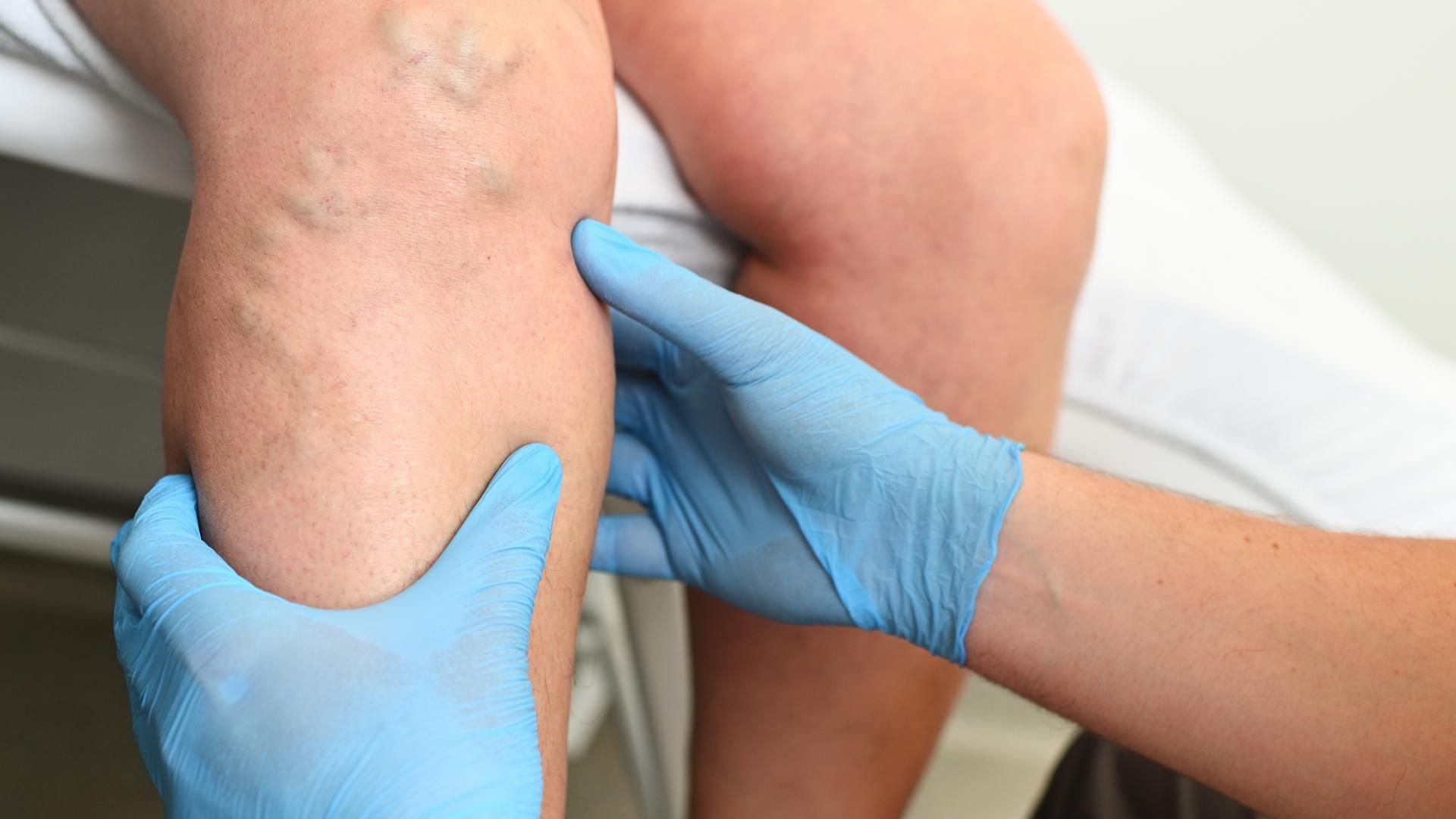
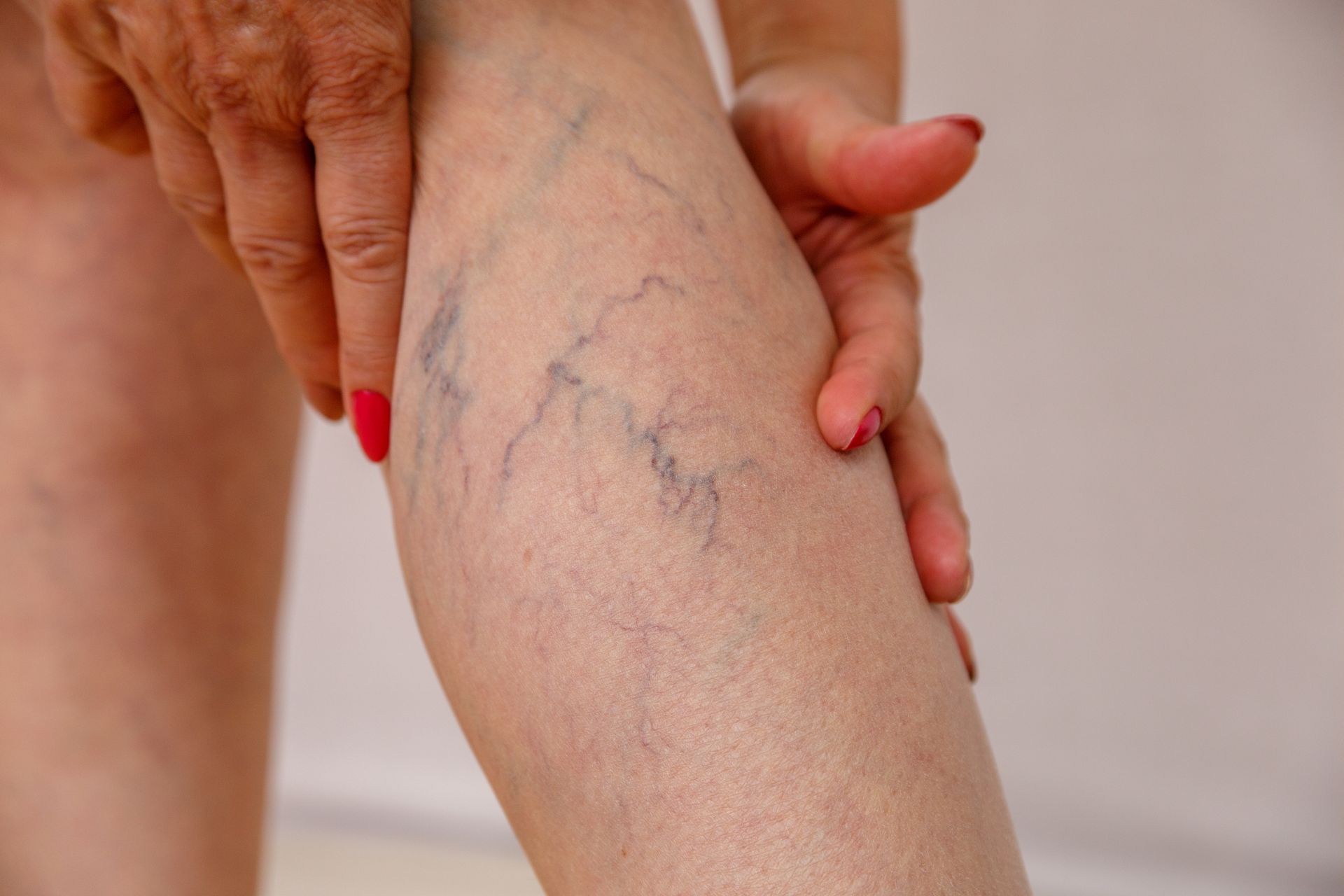
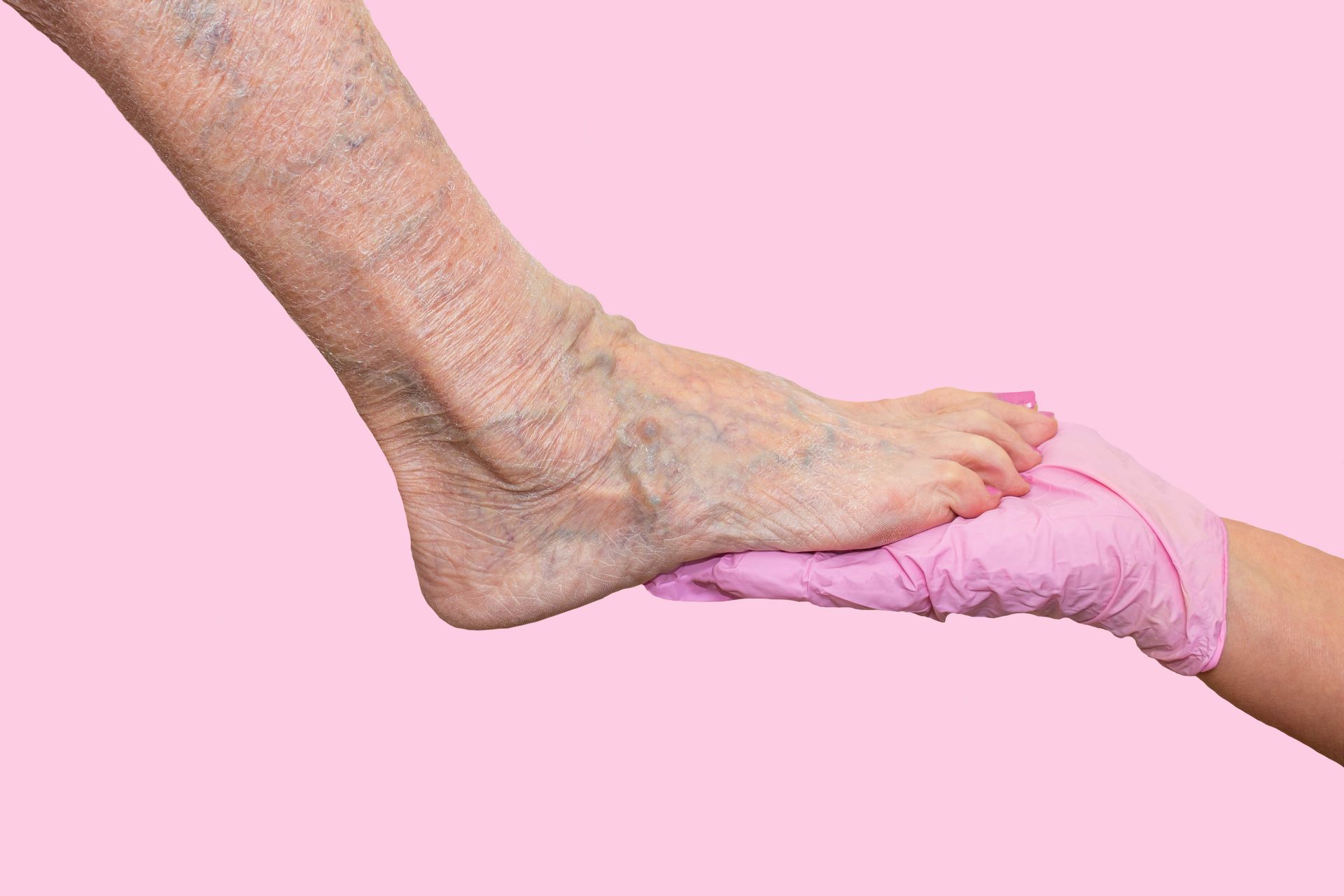
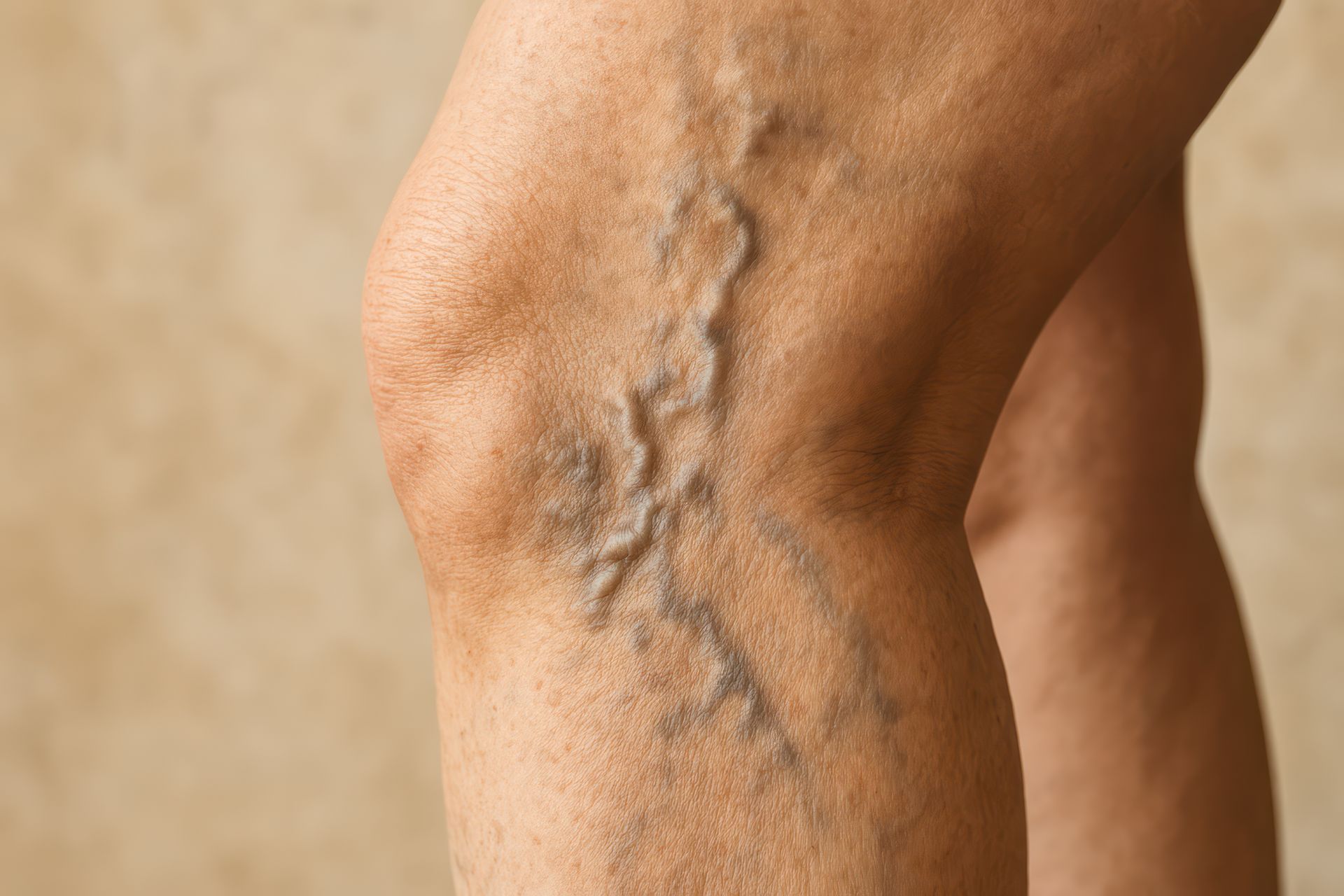
- Varicose veins that have been present for years
- A past blood clot in the leg, which can damage vein valves
- Excess body weight, which adds pressure to leg veins
- Prolonged standing or sitting without movement
- Older age
- A family history of vein disease
Knowing your medical history helps your provider understand your risk. If you’ve had a blood clot in the past, make sure your doctor knows about it at your evaluation.
Signs and Symptoms of a Venous Ulcer
Venous ulcers tend to share a few features that help distinguish them from other types of wounds:
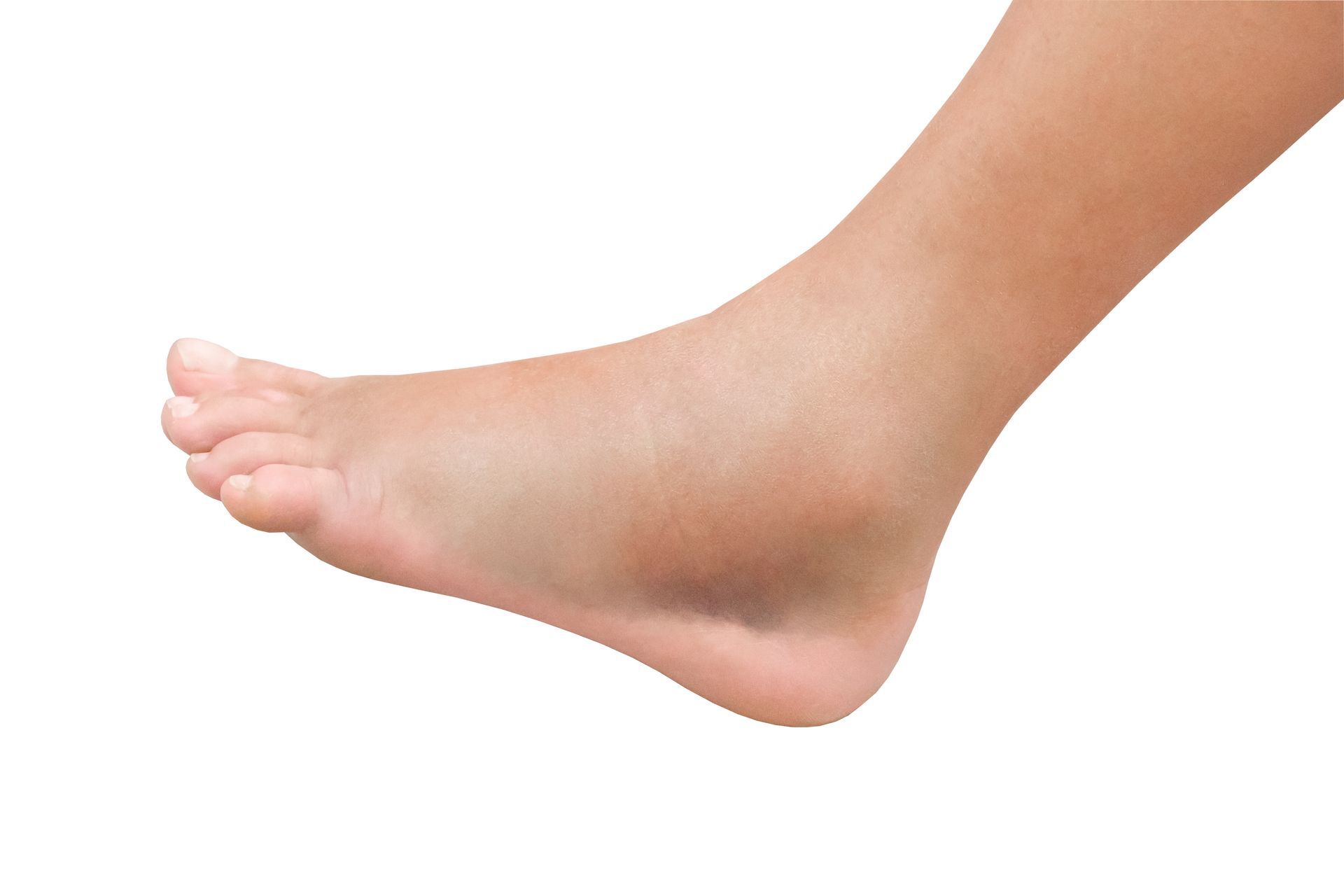
- A location near the inner ankle, often above the ankle bone
- Irregular edges that may look shallow or slope gently into the skin
- Moderate to heavy drainage from the sore
- Surrounding skin that may look red, brown, shiny, thickened, or itchy
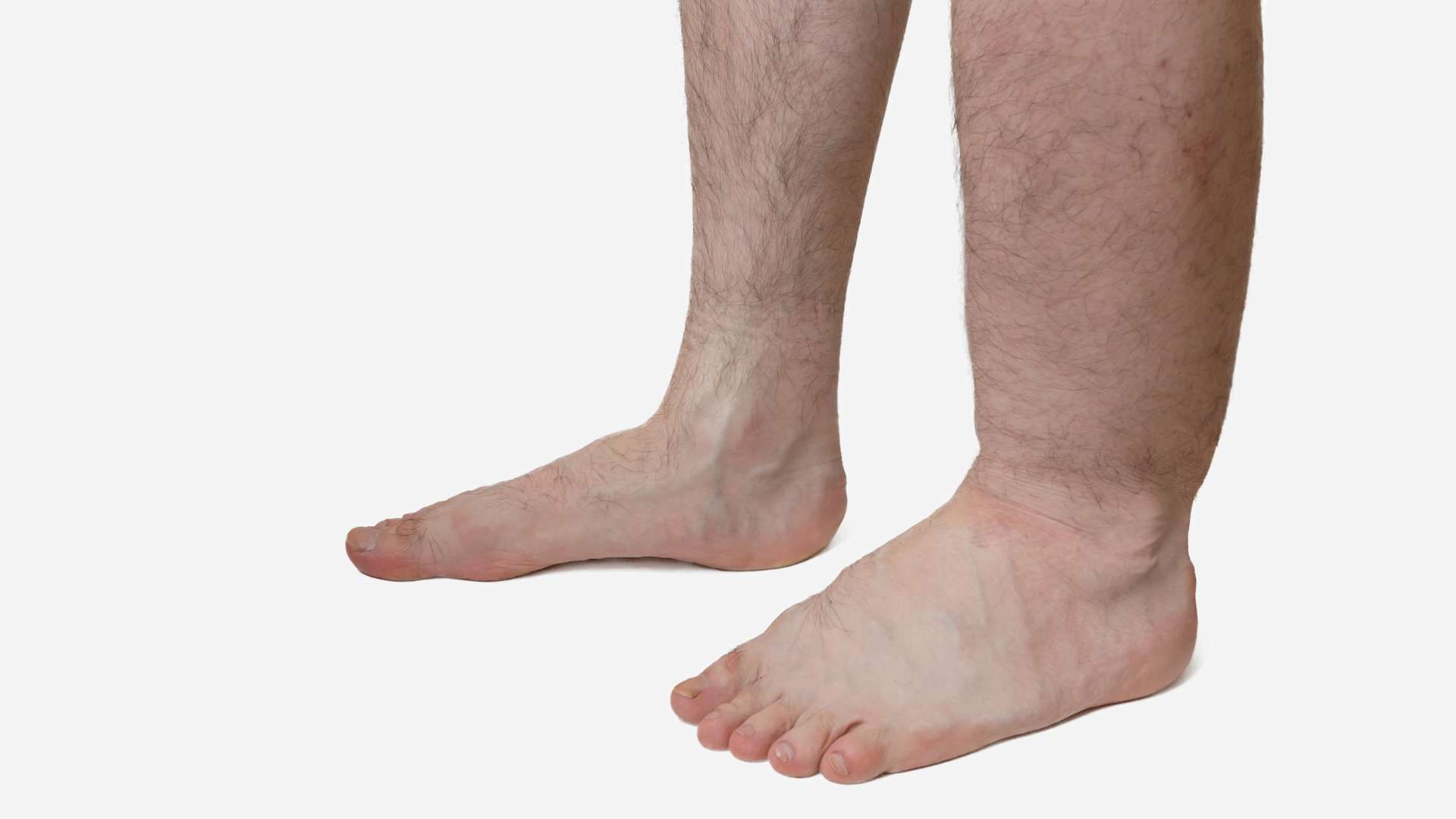
- Swelling in the lower leg that often gets worse by the end of the day
- Aching, heaviness, or a tight feeling in the leg
Some venous ulcers cause little pain, while others are quite uncomfortable. The level of pain alone doesn’t tell you what kind of sore you have, which is one reason an exam matters.
How Venous Ulcers Differ From Other Leg Sores
Not every leg sore is a venous ulcer. Arterial ulcers come from poor blood flow into the leg, and diabetic ulcers often start on the bottom of the foot or the toes. Arterial ulcers may be deeper, have well-defined edges, and hurt more when the leg is raised or at night. Sores on the feet or toes, or sores paired with cold feet, numbness, or changes in skin color, deserve a prompt evaluation.
This difference matters because treatments that help one type of ulcer can harm another. Knowing which type you have before using wraps, creams, or other treatments is an important safety step.
When to Get Care Right Away
Some leg sores need urgent medical attention. Seek care right away, at an urgent care center or emergency room if needed, if you notice:
- Fever or chills
- Redness that spreads quickly or red streaks moving up the leg
- Pus, a bad smell, or drainage that is increasing
- Sudden or severe pain
- Warmth and swelling in one leg only
- Shortness of breath or chest pain
Sudden swelling in one leg needs quick evaluation, because blood clots can be serious. The Centers for Disease Control and Prevention provides general information about the warning signs of blood clots. People with diabetes or a weakened immune system should see a doctor sooner rather than later for any open sore.
How Venous Ulcers Are Evaluated
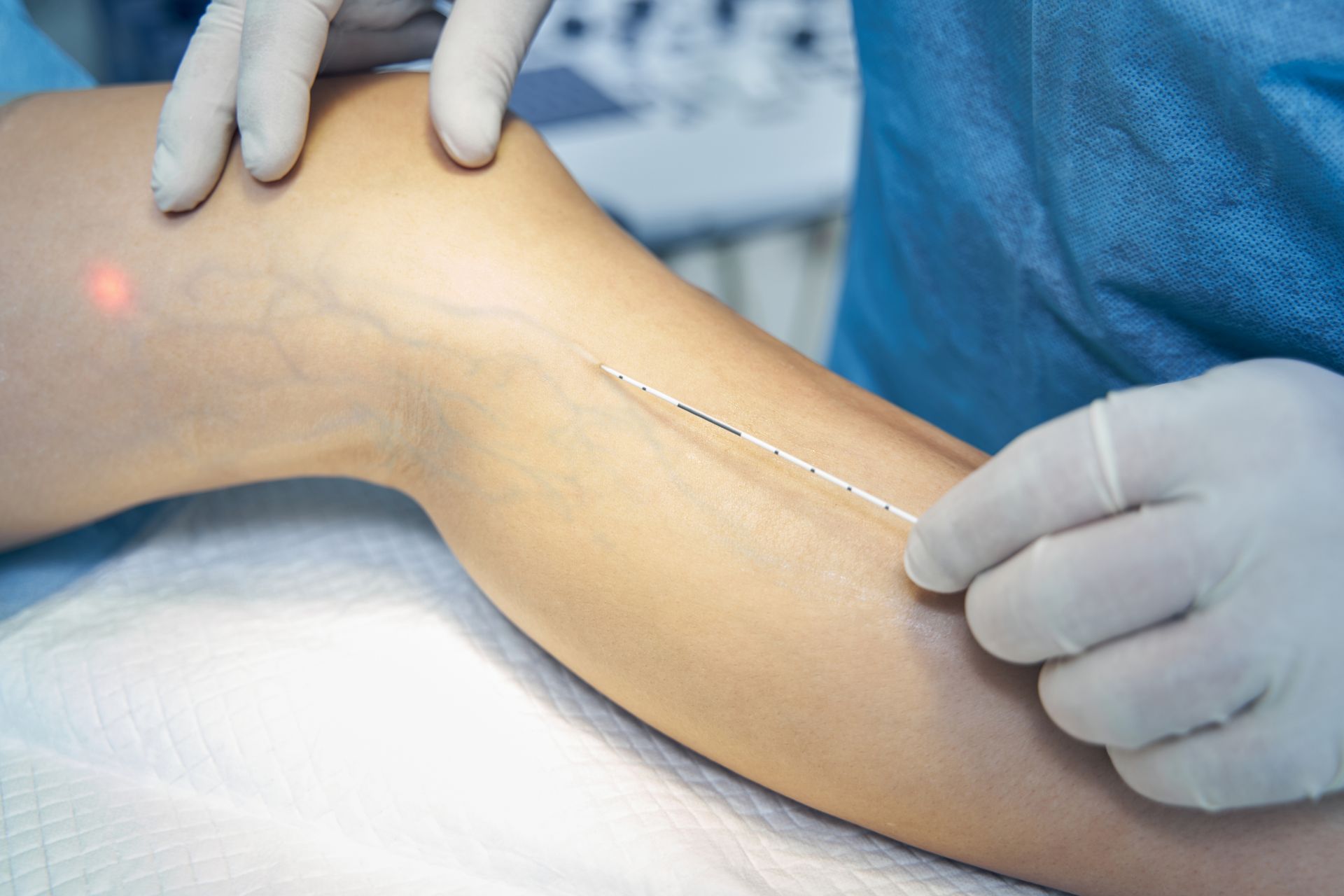
A visit for a leg sore typically includes a review of your medical history and medications, an exam of the wound and surrounding skin, and an assessment of blood flow in your legs. Dr. Michael Sorace uses venous ultrasound to see how blood moves through your veins and whether the valves are working properly. This helps identify which veins are contributing to the problem.
The evaluation matters because the sore is a symptom. The vein problem underneath is what needs to be addressed for the wound to heal and stay closed.
Treatment Approaches for Venous Ulcers
Care for a venous ulcer usually works on two tracks: caring for the wound itself and treating the vein disease that caused it.
Wound care under medical supervision may include keeping the area clean, protecting it with the right dressings, and managing drainage. Compression therapy is a common part of venous ulcer care, but it should only begin after your provider confirms that blood flow to the leg is adequate. Compression on a leg with poor arterial flow can cause harm.
Treating the underlying venous insufficiency is equally important. When the faulty veins are addressed, blood can be redirected through healthier veins, which may reduce pressure in the lower leg and support healing. Your provider will explain which options fit your situation.
Healing time varies based on the size and age of the sore, your overall health, and how well your circulation responds to care. Some sores improve within weeks, while others take months. Following your plan consistently makes a real difference.
Until you are seen: keep the sore clean, cover it with a clean, dry dressing, and elevate your leg when you can. Avoid picking at scabs. Do not apply tight wraps, compression, or over-the-counter creams without medical advice.
Get Your Leg Sore Checked
If you have an open sore on your leg or ankle that hasn’t healed within a few weeks, or one that keeps coming back, schedule an evaluation. Early evaluation helps identify the cause and gives you more treatment choices.
The Vein Institute has two Texas locations:
San Antonio: 14530 NW Military Hwy, Suite 100, San Antonio, TX 78231 | Phone: (210) 236-9372
Boerne: 745 West San Antonio Ave, Suite 100, Boerne, TX 78006 | Phone: (830) 331-9900
Insurance coverage depends on your plan and your individual situation. Our team can review your coverage with you before your visit.
To schedule, call the office nearest you or use our online contact form. If you have any of the warning signs listed above, call right away or seek urgent care.
Topic FAQs
Can a venous leg ulcer heal on its own?
Venous ulcers usually don’t heal well without treatment of the underlying vein problem. Wound care and compression may help in some cases, but a sore that lingers for weeks should be evaluated by a clinician.
What does a venous leg ulcer look like?
Venous ulcers typically appear near the inner ankle with irregular edges, moderate drainage, and surrounding skin that may be discolored, thickened, or itchy. Appearance alone can’t confirm the diagnosis, so an exam is important.
Are venous leg ulcers painful?
Some are, and some cause only mild discomfort. Many people notice that discomfort improves when they raise the leg. Pain that gets worse when the leg is raised or at night is more typical of arterial problems and should be checked promptly.
Can varicose veins cause leg ulcers?
Varicose veins are a sign of venous insufficiency, which is a common cause of venous ulcers. Not everyone with varicose veins will develop an ulcer, but untreated venous disease raises the risk over time.
Do venous leg ulcers come back?
They can. Venous ulcers are more likely to return when the underlying vein problem isn’t treated and when recommended compression isn’t continued.
Can I wear compression socks with an open sore?
Don’t put compression stockings or wraps over an open sore until a provider has confirmed that your blood flow is adequate and given you instructions. Compression can help venous ulcers but can harm a leg with poor arterial flow.
Is a leg ulcer contagious?
No. Venous ulcers come from circulation problems and are not spread from person to person.
Practice FAQs
Where is The Vein Institute located?
We have two locations in Texas. Our San Antonio office is at 14530 NW Military Hwy, Suite 100, San Antonio, TX 78231. Our Boerne office is at 745 West San Antonio Ave, Suite 100, Boerne, TX 78006.
What are the phone numbers for each office?
The San Antonio office can be reached at (210) 236-9372, and the Boerne office at (830) 331-9900.
Who evaluates leg ulcers at The Vein Institute?
Dr. Michael Sorace evaluates patients with leg ulcers and vein disease.
Does The Vein Institute accept insurance?
Our team can review your coverage before your visit. Coverage depends on your plan and whether treatment is considered medically necessary.
What should I bring to my first visit?
Bring a list of your current medications, any allergies, notes on when the sore started, and any treatments you have already tried. If you have previous vein ultrasound or test results, bring those too.
Medical Disclaimer: The information in this blog post is for general educational purposes only and is not intended as medical advice. It does not replace the advice, diagnosis, or treatment of a licensed medical professional. Every patient’s situation is different. If you have concerns about your health or a related condition, please speak with a qualified physician or healthcare provider.
Disclaimer: The information provided on this blog is for general informational purposes only and is not intended as, and should not be considered, medical advice. All information, content, and material available on this blog are for general informational purposes only. Readers are advised to consult with a qualified healthcare professional for medical advice, diagnosis, or treatment. The author and the blog disclaim any liability for the decisions you make based on the information provided. Always seek the advice of your physician or other qualified health provider with any questions you may have regarding a medical condition.