Endovenous Vein Ablation: How It Treats Varicose Veins
Medically reviewed by: Dr. Michael A. Sorace | September 2026
Key Points
- Endovenous vein ablation is a minimally invasive procedure that seals off damaged varicose veins
- The procedure takes about 30-45 minutes and requires only local anesthesia
- Most patients return to normal activities within 24-48 hours
- Blood automatically reroutes through healthy veins once the damaged vein is sealed
- Symptom relief happens quickly, often within days to weeks
- The procedure has a high success rate with minimal complications
- It's covered by most insurance plans when varicose veins cause medical symptoms
Understanding Varicose Veins and Why They Need Treatment
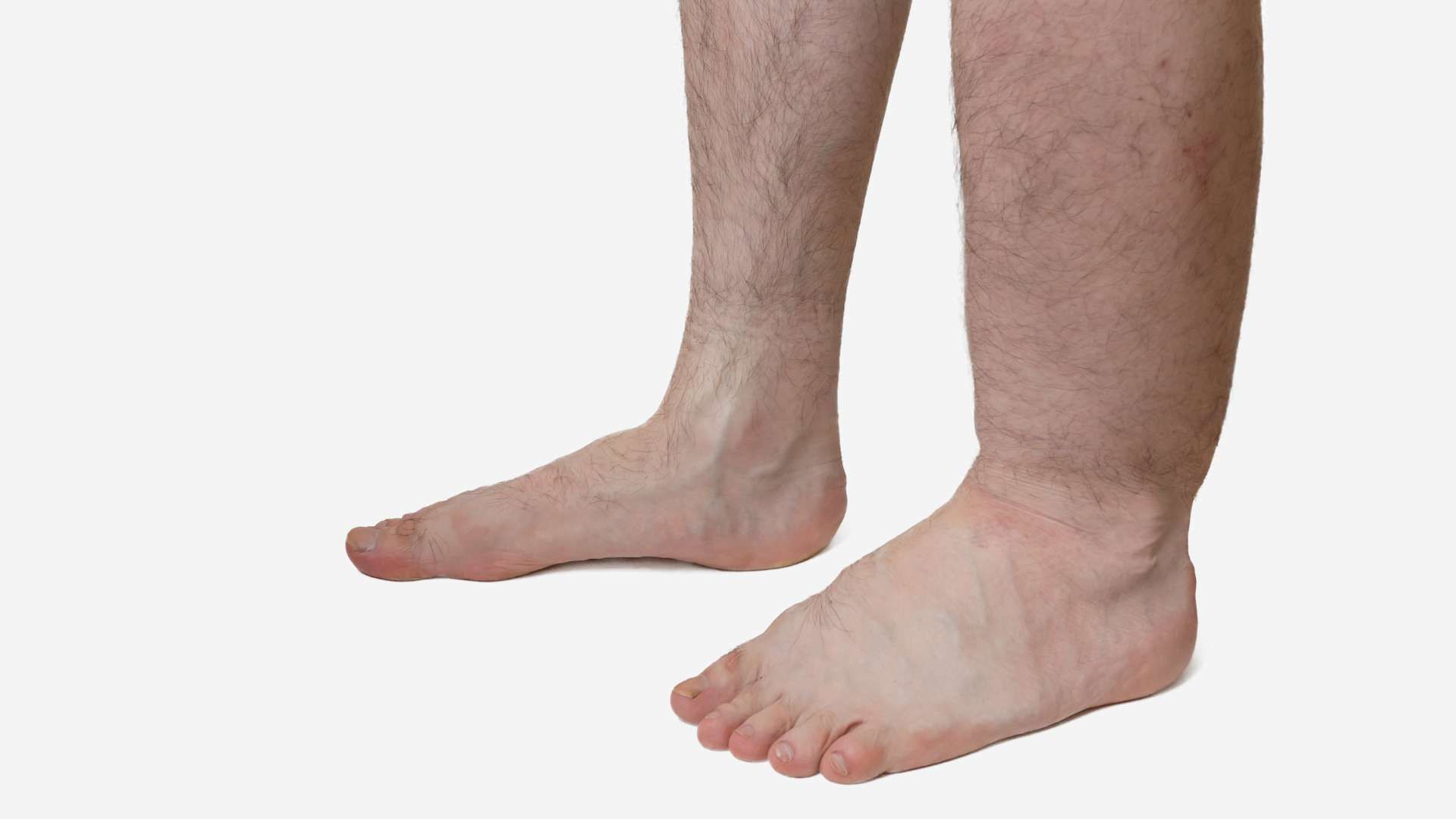
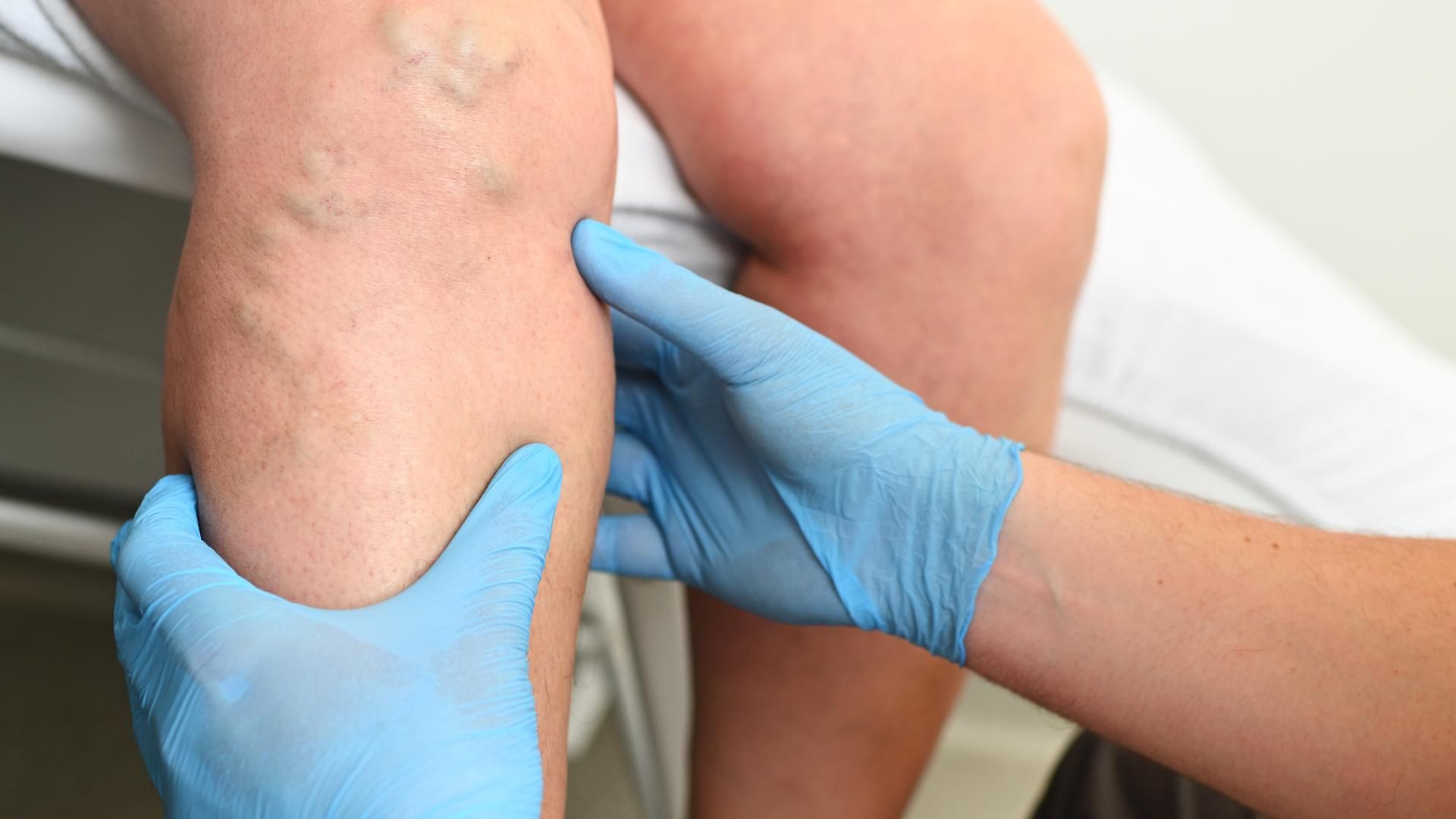
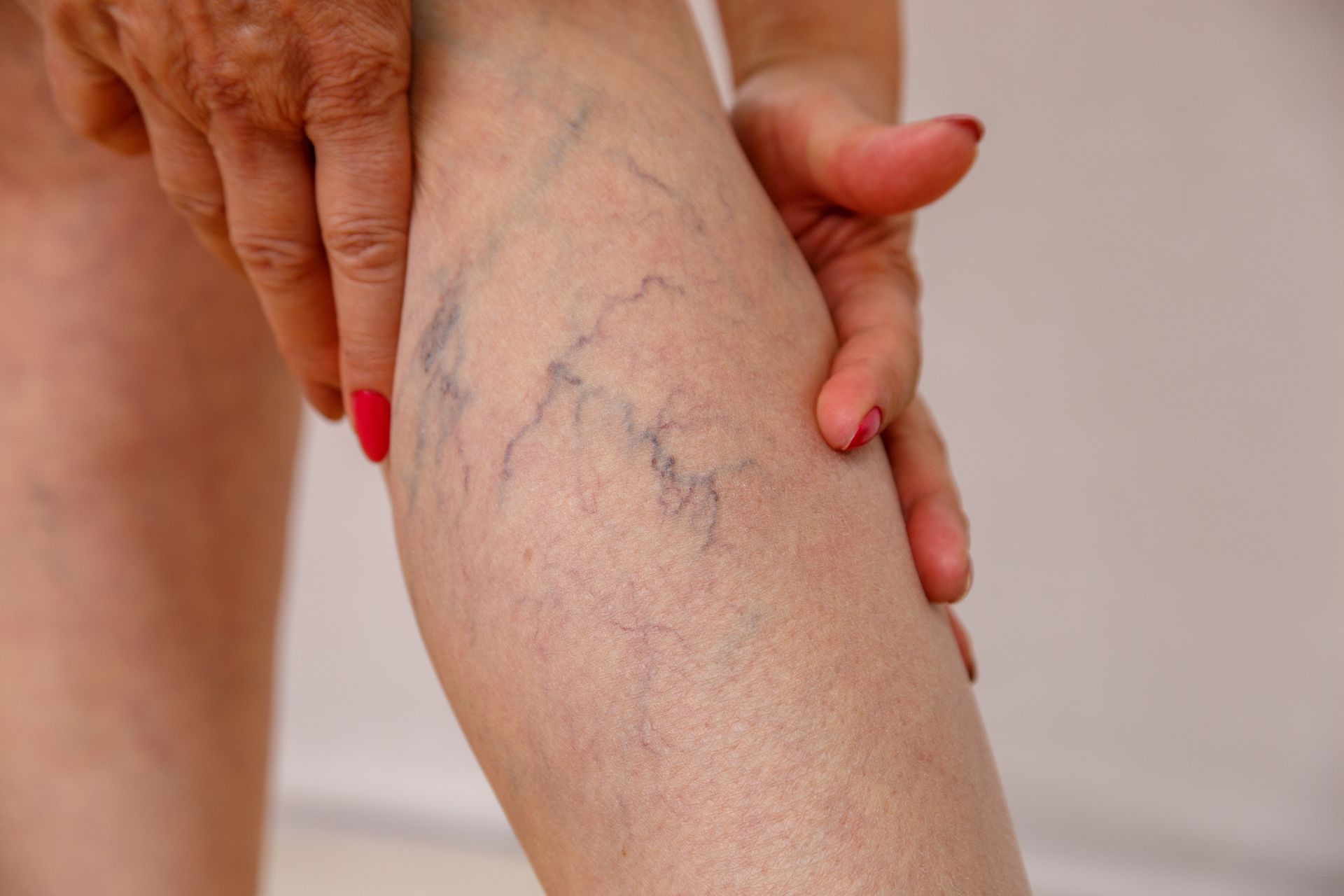
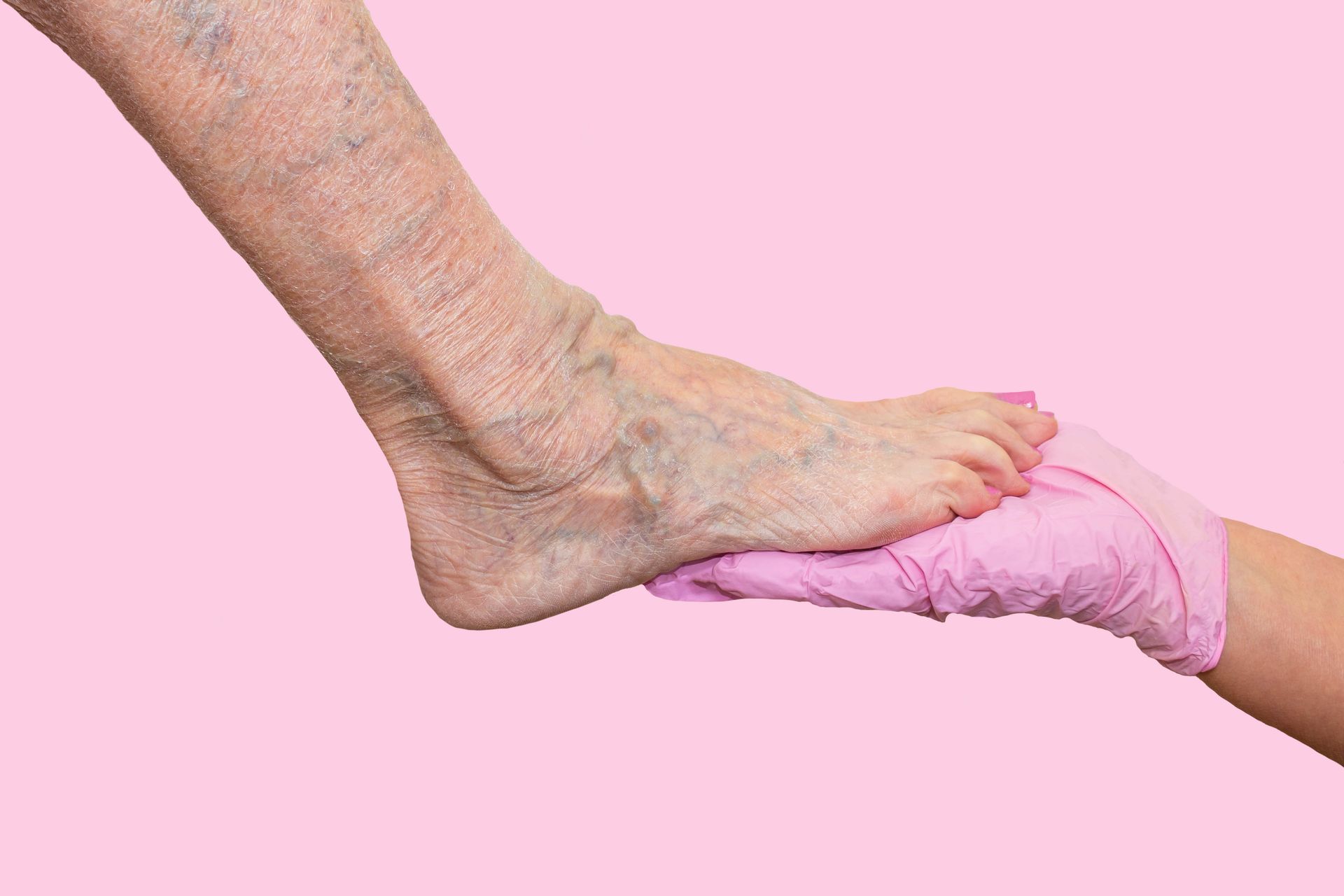
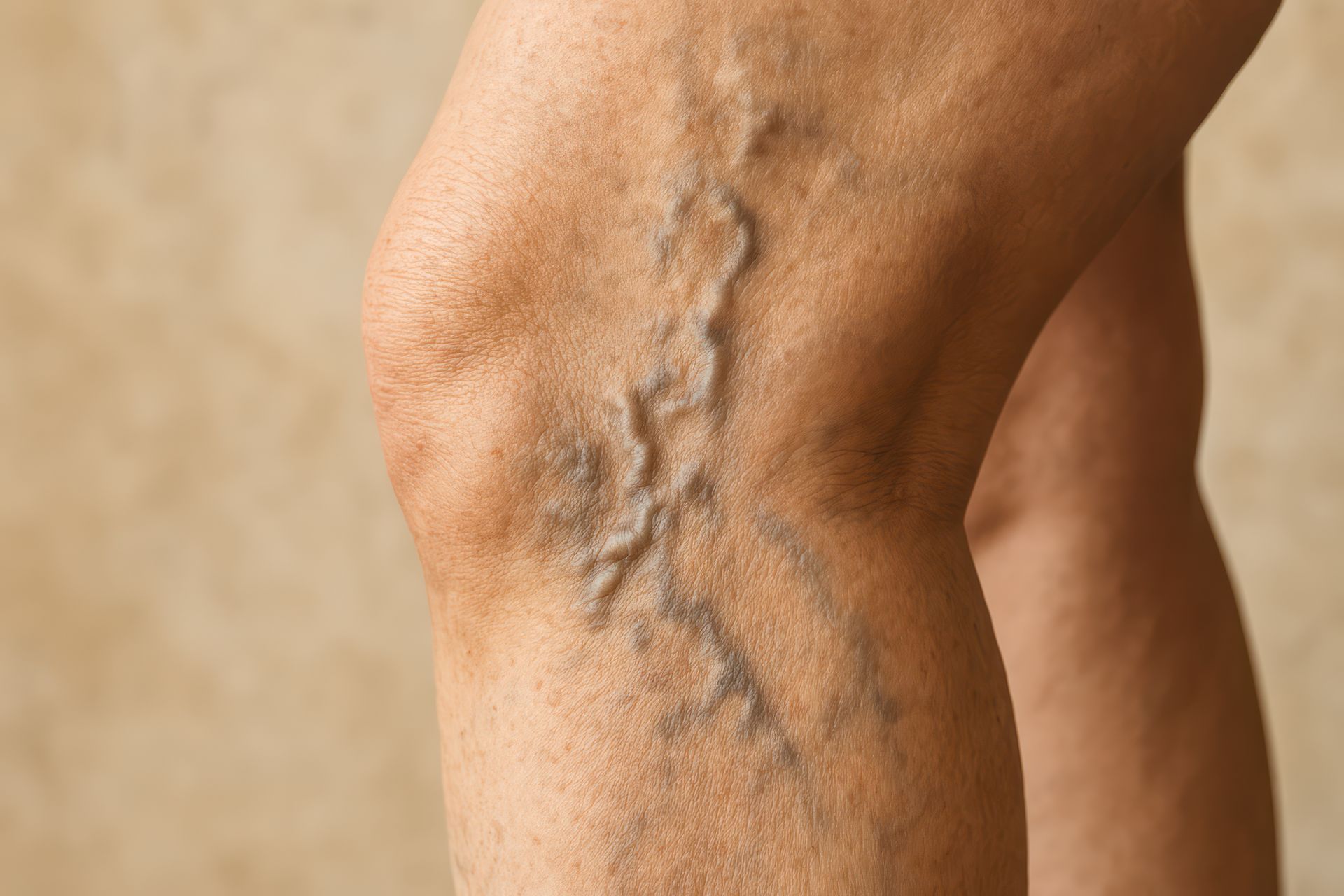
You've probably noticed those bulging, twisted veins on your legs. Maybe they're causing pain, swelling, or that heavy, tired feeling that gets worse as the day goes on. Or maybe you're just tired of how they look.
Varicose veins aren't just a cosmetic concern. They're a sign that your veins aren't working properly. The valves inside have failed, allowing blood to pool and creating pressure that enlarges the veins. This is a real circulation problem that often requires treatment.
If you've been dealing with leg swelling, heaviness, or visible varicose veins, endovenous vein ablation might be the solution you're looking for.
What Is Endovenous Vein Ablation?
Endovenous vein ablation is a minimally invasive procedure that permanently seals off damaged varicose veins. Once the problematic vein is sealed, blood can no longer flow through it. Your body automatically reroutes blood through healthier veins nearby, restoring normal circulation.
The key advantage is that it's minimally invasive. There's no surgical cutting, no general anesthesia, and minimal recovery time. You can return to most normal activities almost immediately.
The procedure works because the problem veins have already failed. Your legs don't need them. You have plenty of other healthy veins ready to take over the job of moving blood back to your heart.
Before Your Ablation Treatment
Pre-Treatment Evaluation
Before your procedure, you'll have a consultation with Dr. Michael Sorace. He'll review your symptoms, perform a physical examination, and use ultrasound to map out exactly which veins are problematic. This evaluation guides the entire treatment plan.
During this visit, discuss:
- All medications you're taking
- Any allergies or sensitivities
- Your symptoms and how they affect your daily life
- Your goals for treatment
- Any concerns or questions you have
What to Do Before Your Procedure
A few days before your appointment:
Avoid blood thinners: Check with Dr. Sorace about aspirin, ibuprofen, or other blood thinners. You might need to stop these temporarily.
Stay hydrated: Drink plenty of water in the days before treatment. Well-hydrated veins are easier to treat.
Wear comfortable clothing: Bring or wear loose pants or shorts that won't be tight on your legs. You'll wear compression stockings after treatment.
Arrange transportation: While you can drive home after the procedure for most patients, it's nice to have someone available if you prefer.
Eat normally: There are no fasting requirements for endovenous ablation.
During Your Ablation Procedure
The Procedure Setup
When you arrive for your appointment, you'll change into a procedure gown and be positioned comfortably on an ultrasound table. A numbing medication will be injected into the skin where the catheter will be inserted. This local anesthesia ensures the procedure is painless.
Once the area is numb, Dr. Sorace uses ultrasound guidance to precisely position a thin catheter (a small tube) into the damaged vein. Ultrasound allows him to see exactly what he's doing and ensure accurate treatment.
The Treatment
Once the catheter is positioned correctly within the vein, energy is applied to seal the vein shut. The vein collapses along its entire length, completely closing off the damaged vessel.
You might feel:
- Slight pressure or sensation as the catheter moves through the vein
- Warmth along the path of the vein being treated
- A feeling of the vein "tightening"
None of this is painful because the area is numbed. If you experience any significant discomfort, let Dr. Sorace know immediately.
How Long Does It Take?
The entire procedure typically takes 30-45 minutes. The exact time depends on how many veins are being treated and how extensive the problem is.
Multiple Veins
If you have multiple problematic veins that need treatment, Dr. Sorace may treat them during the same session or schedule separate appointments depending on the extent of disease and your preference. Treating multiple veins at once is possible and doesn't significantly extend recovery time.
Immediately After Treatment
Right After the Procedure
Once the procedure is complete, you'll have compression stockings applied. These are important for your recovery and we'll discuss them more in a moment.
You might notice:
- The treated leg feels slightly swollen or tight (the compression helps)
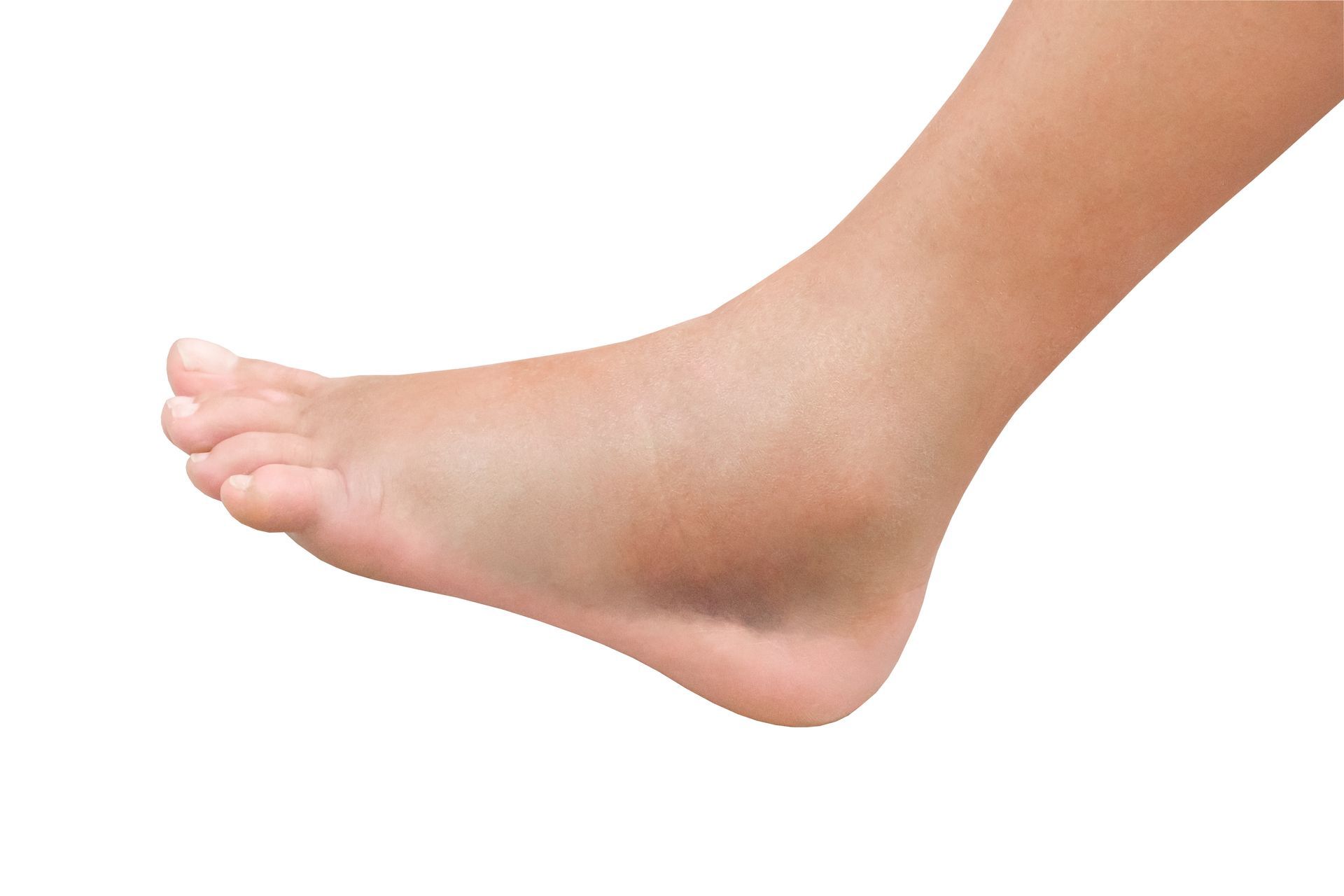
- Mild bruising or redness along the treatment path
- A slight tenderness in the treated area
- The treated vein might still be visible but will gradually fade
All of this is normal and temporary.
Can You Go Home?
Yes. Most patients go home the same day. The procedure is done under local anesthesia, so there's no recovery from general anesthesia. You'll be alert and able to leave.
You should have someone drive you home if possible, though many patients are cleared to drive themselves. Ask Dr. Sorace about this during your consultation.
Recovery and What to Expect After
The First 24-48 Hours
The first day or two is when you need to be most gentle with your legs:
- Walk regularly (actually, walking helps your recovery)
- Wear compression stockings as directed
- Elevate your legs when sitting or resting
- Avoid strenuous activity and heavy lifting
- Ice the area if you have bruising or swelling
Most people describe the discomfort as minimal. You're not bedridden or significantly limited. You just need to be cautious about activity level.
Week 1: Early Recovery
During the first week:
- Bruising gradually fades
- Any swelling continues to improve
- You can return to most daily activities
- Light activity is encouraged
- You'll start noticing that your treated vein is no longer visible or is much less visible
Many people are pleasantly surprised by how quickly they feel better. That heavy, tired feeling often improves within days as circulation improves.
Weeks 2-4: Significant Improvement
As the first month progresses:
- Bruising is mostly gone
- The treated vein continues to fade
- Symptoms like leg heaviness and swelling improve noticeably
- You have more energy and less leg fatigue
- You can resume normal exercise
This is when you really start to see and feel the difference. The vein that was bulging and visible is now gone or dramatically improved.
Months 2-3: Maximum Benefits
By 2-3 months after ablation, you experience the full benefits of treatment:
- Complete symptom relief for most people
- Dramatic cosmetic improvement
- Restored normal leg circulation
- Ability to engage in activities that used to be limited by leg symptoms
- Quality of life improvement
Most patients are thrilled with their results by this point.
Why Compression Stockings Matter
You'll be given specific instructions about wearing compression stockings after your procedure. These aren't optional or just for comfort. They're a critical part of your treatment.
Compression stockings:
- Keep the treated vein collapsed and sealed
- Reduce swelling and bruising significantly
- Improve overall circulation in your leg
- Support your veins during healing
You'll typically wear them for about a week after treatment, though Dr. Sorace will give you specific guidance based on your situation. Yes, they take a day or two to get used to, but they make a real difference in your recovery and results.
Activity After Ablation
What You Can Do Immediately
- Walk around immediately after the procedure
- Perform light daily activities
- Drive home (unless instructed otherwise)
- Perform gentle stretching
What to Avoid for the First Week
- Strenuous exercise or heavy lifting
- High-impact activities like running
- Hot baths, saunas, or hot tubs
- Sitting or standing for long periods without moving
- Intense heat on the treated area
When You Can Resume Normal Exercise
Most people can resume moderate exercise within 1-2 weeks and return to full activity after 2-3 weeks. Walking is excellent and encouraged immediately. Dr. Sorace will give you specific guidelines based on your individual recovery.
Realistic Expectations: Results and Timeline
When You'll Feel Better
- Many people notice improvement within 24-48 hours
- Significant symptom relief typically occurs within 1-2 weeks
- Maximum improvement continues for 3-6 months as your body fully adjusts
What Ablation Does
- Eliminates the problematic vein permanently
- Restores normal blood circulation
- Relieves symptoms like pain, swelling, and heaviness
- Provides dramatic cosmetic improvement
- Prevents progression to more serious complications
Important Limitations
- It treats the specific veins that were problematic
- If underlying venous insufficiency exists, all affected veins may need treatment
- You might develop new varicose veins in other areas if you have ongoing risk factors
- Some people need treatment on both legs if both are affected
Side Effects and Complications
Ablation is very safe, but like any procedure, potential side effects exist. Most are mild and temporary.
Common side effects:
- Bruising along the treated vein (fades within 1-3 weeks)
- Mild swelling (improves with elevation and compression)
- Tenderness or soreness in the treated area
- Temporary numbness or tingling (rare and usually resolves)
- Mild discomfort walking (temporary)
Rare complications:
- Infection (very uncommon with proper technique)
- Blood clot (extremely rare)
- Nerve irritation (temporary if it occurs)
- Allergic reaction
Dr. Sorace will discuss all potential risks during your consultation. Serious complications are uncommon with proper patient selection and experienced providers.
Cost and Insurance
Endovenous vein ablation for symptomatic varicose veins and venous insufficiency is covered by most insurance plans. Unlike cosmetic treatments, medically necessary vein treatment is typically covered when you have symptoms like pain, swelling, or skin changes.
Our team will verify your insurance benefits before your procedure and explain what you'll owe out of pocket.
FAQs About Endovenous Vein Ablation
Is ablation painful?
No. The area is numbed with local anesthesia before the procedure. You might feel pressure or slight warmth, but not pain. If you experience significant pain, let Dr. Sorace know immediately.
How long does it take to return to normal?
Most people return to normal activities within 24-48 hours. You might want to take it easy for the first week, but significant restrictions are minimal.
Will my veins come back?
The treated vein will not reopen. That vein is permanently sealed. However, if you have other problematic veins or develop new ones due to risk factors, additional treatment might be needed in the future.
Can I get ablation on both legs?
Yes, both legs can be treated during the same session or in separate sessions depending on the extent of treatment and your preference. Discuss this with Dr. Sorace during your consultation.
How successful is ablation?
Endovenous vein ablation has a high success rate, typically over 95%. The vast majority of patients experience excellent results with significant symptom relief and cosmetic improvement.
Will I need additional treatments?
If you have extensive varicose veins or multiple affected veins, you might need more than one treatment session. Dr. Sorace will assess after your first procedure and recommend any additional treatment needed.
FAQs About The Vein Institute
How do I schedule an ablation consultation?
Call our San Antonio office at (210) 236-9372 or our Boerne office at (830) 331-9900. You can also visit our contact page to request an appointment online.
What's the first step?
Schedule a consultation with Dr. Sorace. He'll evaluate your veins, determine whether you're a candidate for ablation, explain the procedure, answer your questions, and help you make an informed decision.
Does insurance cover ablation?
Most insurance plans cover endovenous ablation when varicose veins cause medical symptoms. Our team will verify your coverage and explain what your insurance will pay.
Where are your locations?
Our San Antonio clinic is at 14530 NW Military Hwy, Suite 100, San Antonio, TX 78231. Our Boerne office is at 745 West San Antonio Ave, Suite 100, Boerne, TX 78006.
Ready to Eliminate Your Varicose Veins?
If you're tired of dealing with varicose veins and the symptoms they cause, endovenous vein ablation offers an effective, minimally invasive solution. Most patients experience dramatic improvement and are thrilled with their results.
Contact The Vein Institute today to schedule your consultation with Dr. Sorace.
San Antonio Office: 14530 NW Military Hwy, Suite 100, San Antonio, TX 78231 | (210) 236-9372
Boerne Office: 745 West San Antonio Ave, Suite 100, Boerne, TX 78006 | (830) 331-9900
Your healthy, comfortable legs are within reach. Let's get you there.
Disclaimer: The information provided on this blog is for general informational purposes only and is not intended as, and should not be considered, medical advice. All information, content, and material available on this blog are for general informational purposes only. Readers are advised to consult with a qualified healthcare professional for medical advice, diagnosis, or treatment. The author and the blog disclaim any liability for the decisions you make based on the information provided. Always seek the advice of your physician or other qualified health provider with any questions you may have regarding a medical condition.
Disclaimer: The information provided on this blog is for general informational purposes only and is not intended as, and should not be considered, medical advice. All information, content, and material available on this blog are for general informational purposes only. Readers are advised to consult with a qualified healthcare professional for medical advice, diagnosis, or treatment. The author and the blog disclaim any liability for the decisions you make based on the information provided. Always seek the advice of your physician or other qualified health provider with any questions you may have regarding a medical condition.