Does Insurance Cover Varicose Vein Treatment in Texas? What Patients Should Know
Medically reviewed by the medical team at The Vein Institute
Key Points
- Insurance usually covers varicose vein treatment when it is medically necessary, meaning vein symptoms are present and testing confirms a vein problem.
- Coverage depends on documented symptoms, a vein ultrasound, and the specific rules of your plan.
- Treatment done only to improve the look of spider veins is generally considered cosmetic and is usually not covered.
- Medicare and many private plans follow a medical necessity standard, but each plan sets its own requirements.
- Checking your benefits before your visit helps you understand what you may owe and avoids surprises.
- The Vein Institute in San Antonio and Boerne, TX can evaluate your symptoms and explain what your plan may cover.
If you have bulging veins, aching legs, or swelling that won't go away, one of your first questions is probably whether insurance will pay for treatment. The honest answer is that it depends. Insurance companies generally don't cover a procedure simply because veins look unsightly. They cover treatment when a vein problem is causing health symptoms and a doctor can document it.
The good news is that the rules are more predictable than many people expect. Once you know what insurers look for, you can prepare for your visit, ask better questions, and plan for your costs. This guide walks through the basics for patients in Texas.
What "Medically Necessary" Means for Vein Treatment
Insurance companies use the phrase "medically necessary" to describe care that treats a health condition. For vein treatment, that usually means your veins are causing symptoms or health problems, and the treatment is expected to address the cause.
This is different from cosmetic treatment, which is done mainly to change how your legs look. Both kinds of care can matter to you, but insurance plans generally pay only for the medical kind. That is why the reason for your visit matters so much. A clear record of your symptoms helps your provider and your insurer see the medical picture.
Symptoms That Can Support Coverage
Certain symptoms are commonly associated with venous disease and can support a request for coverage when they are documented. These include:
- Aching, throbbing, or heaviness in the legs, especially by the end of the day
- Swelling in the ankles or lower legs that doesn't fully go away overnight
- Cramping or restless legs that disrupt sleep
- Skin changes near the ankles, such as discoloration, thickening, or itching
- Open sores or wounds on the lower leg that are slow to heal
- Bleeding from a varicose vein after minor injury
Having a symptom is not enough on its own. Your provider needs to connect that symptom to a vein problem through an exam and testing. Keeping a simple log of when symptoms happen, how long they last, and what helps can make your visit more productive.
What Insurance Companies Usually Want to See
Every plan has its own policy, but most ask for similar information before approving vein treatment:
- A thorough exam: A provider documents your symptoms, your medical history, and what they see on your legs.
- A vein ultrasound: This simple, noninvasive test shows whether valves in your veins are letting blood flow backward. Insurers often rely on these results to confirm venous insufficiency.
- A record of past care: Some plans ask whether you have tried conservative care first, such as compression stockings, leg elevation, or activity changes. Many plans require this for a set period before approving procedures.
- Prior authorization: Many insurance plans require approval before a procedure is performed. Your provider's office typically submits this request.
Keep in mind that documentation is what drives the decision. Accurate, complete records from your visit give your plan the information it needs to review your case.
Medicare and Private Insurance in Texas
Medicare generally covers vein treatment when it is medically necessary and symptoms are documented. Medicare does not cover treatment performed only for cosmetic reasons.
Private plans in Texas vary widely. Some are HMO plans that require referrals, while others are PPO plans that allow you to see a specialist without one. Plan rules can also change from year to year, which is why checking your current benefits matters. Our team can help you understand your plan's requirements, but we cannot promise coverage, because the final decision belongs to your insurance company.
Cosmetic Treatment and What Is Usually Not Covered
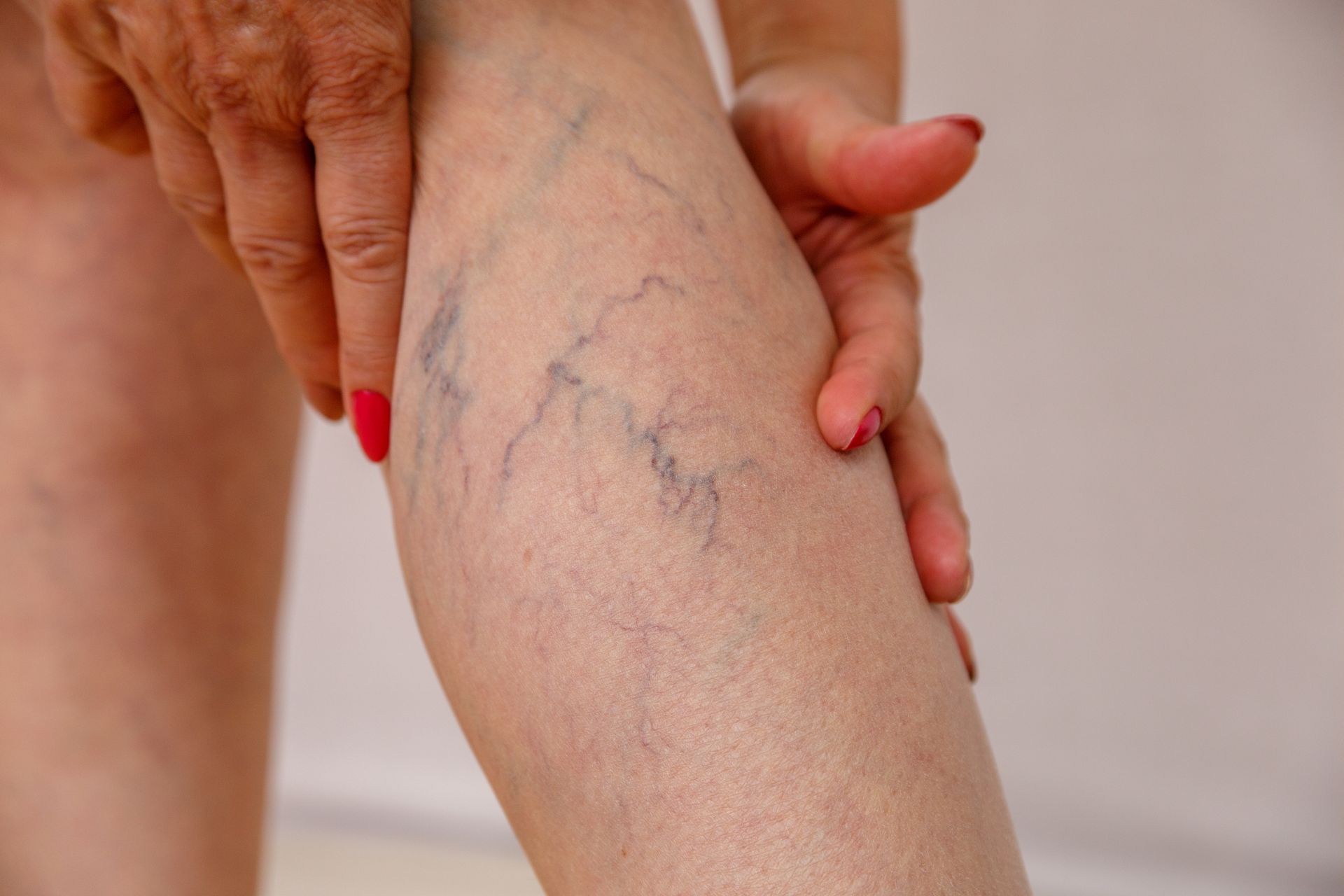
Many people come in because their spider veins bother them. Spider veins are tiny surface veins that often cause no symptoms. When they are treated only to improve appearance, insurance plans usually consider the treatment cosmetic and do not cover it.
That doesn't mean treatment is out of reach. If spider veins are linked to an underlying vein problem that causes symptoms, the care may be considered medically necessary. A proper evaluation shows which situation applies to you. If your treatment is cosmetic, you can ask for a cost estimate before you agree to anything.
How to Check Your Benefits Before Your Visit
A little preparation can save time and money. Before your appointment, try these steps:
- Find your insurance card and note the member services phone number on the back.
- Ask whether your plan requires a referral to see a vein specialist.
- Ask whether vein evaluations or procedures need prior authorization.
- Write down your main symptoms, when they started, and what makes them better or worse.
- Bring a list of your current medications and any past vein testing or treatment records.
- Ask our team for an estimate of your out-of-pocket costs once your coverage is known.
Being informed before your visit makes the conversation with your provider easier and helps you make a confident decision about your care.
Schedule Your Vein Consultation
If you're wondering whether your veins qualify for insurance coverage, the next step is an evaluation. The Vein Institute has two Texas locations:
San Antonio: 14530 NW Military Hwy, Suite 100, San Antonio, TX 78231 | Phone: (210) 236-9372
Boerne: 745 West San Antonio Ave, Suite 100, Boerne, TX 78006 | Phone: (830) 331-9900
Call the office nearest you to schedule. Bring your insurance card and a list of your symptoms so our team can review your coverage with you before your visit. Coverage always depends on your specific plan and on what the evaluation shows.
Frequently Asked Questions About Varicose Vein Treatment Insurance
Does insurance cover varicose vein treatment?
Many plans cover varicose vein treatment when it is medically necessary. That usually means you have symptoms such as pain, swelling, or skin changes, and testing confirms a vein problem. Coverage varies by plan, so check your benefits.
What makes varicose vein treatment medically necessary?
Treatment is generally considered medically necessary when varicose veins cause symptoms or health problems and a provider documents them. An ultrasound showing faulty valves and a record of conservative care often support the request.
Does Medicare cover varicose vein treatment?
Medicare generally covers vein treatment when it is medically necessary and symptoms are documented. Medicare does not usually cover treatment done only for cosmetic reasons.
Will insurance cover spider vein treatment?
Treatment done only to improve the appearance of spider veins is usually considered cosmetic and is often not covered. If spider veins are connected to a vein problem that causes symptoms, coverage may be possible.
Do I need an ultrasound for insurance to approve treatment?
Most insurance plans look for objective testing, and a vein ultrasound is the usual test. The results show whether blood is flowing backward through faulty valves, which helps confirm the diagnosis.
Do I have to try compression stockings before insurance covers treatment?
Some plans require a period of conservative care, such as compression stockings and activity changes, before they approve procedures. Your plan's rules will tell you what is required.
What if my insurance denies coverage?
A denial doesn't always mean the final answer. Ask your insurer for the reason in writing, and ask your provider's office whether additional documentation could support a new request or an appeal.
Frequently Asked Questions About The Vein Institute
Where is The Vein Institute located?
The Vein Institute has two Texas offices. The San Antonio office is at 14530 NW Military Hwy, Suite 100, San Antonio, TX 78231. The Boerne office is at 745 West San Antonio Ave, Suite 100, Boerne, TX 78006.
What are the phone numbers for each office?
The San Antonio office can be reached at (210) 236-9372, and the Boerne office at (830) 331-9900.
Who evaluates patients at The Vein Institute?
Dr. Michael Sorace evaluates patients with varicose veins, spider veins, and venous insufficiency.
Can your team check my insurance coverage before my visit?
Our team can review your insurance information and explain what your plan may cover. Coverage decisions are made by your insurance company, so we cannot guarantee coverage.
What should I bring to my first visit?
Bring your insurance card, a photo ID, a list of current medications, notes about your symptoms, and any previous vein test or treatment records.
How do I schedule an appointment?
Call the San Antonio office at (210) 236-9372 or the Boerne office at (830) 331-9900 to schedule your consultation.
Disclaimer: The information provided on this blog is for general informational purposes only and is not intended as, and should not be considered, medical advice. All information, content, and material available on this blog are for general informational purposes only. Readers are advised to consult with a qualified healthcare professional for medical advice, diagnosis, or treatment. The author and the blog disclaim any liability for the decisions you make based on the information provided. Always seek the advice of your physician or other qualified health provider with any questions you may have regarding a medical condition.